
 EN
EN
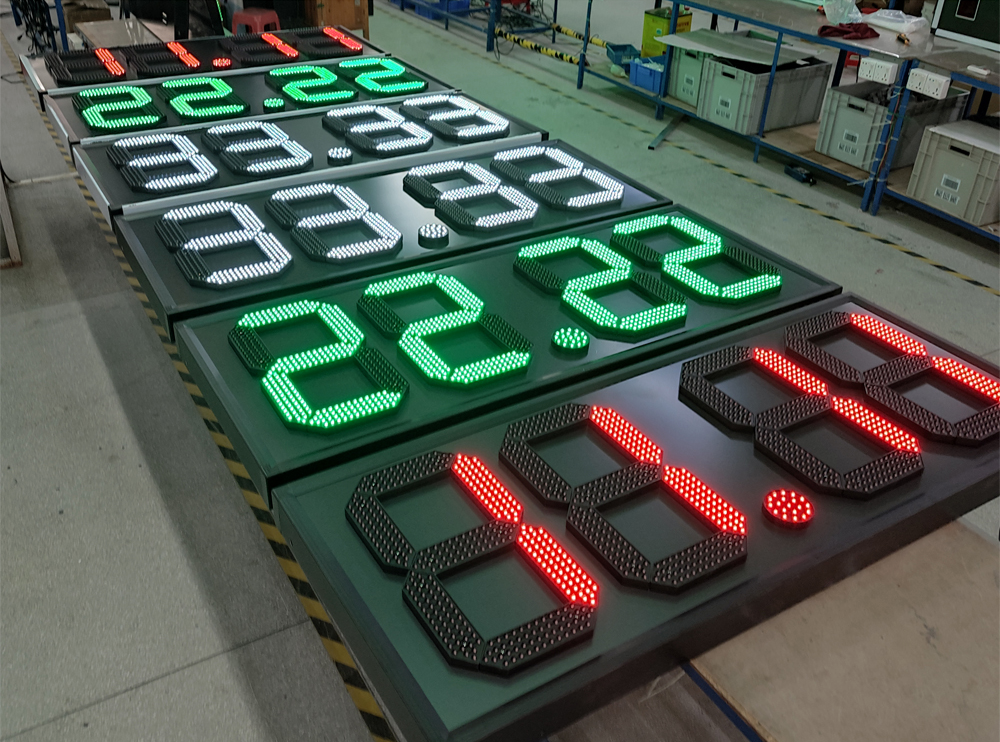
Gas station canopies serve as essential infrastructure for fuel retail operations, providing weather protection and visual prominence to attract customers. However, improper lighting angles can create significant glare issues that compromise driver safety and visibility. Understanding the optimal positioning and configuration of canopy lighting systems requires careful consideration of illumination principles, safety regulations, and customer experience factors.
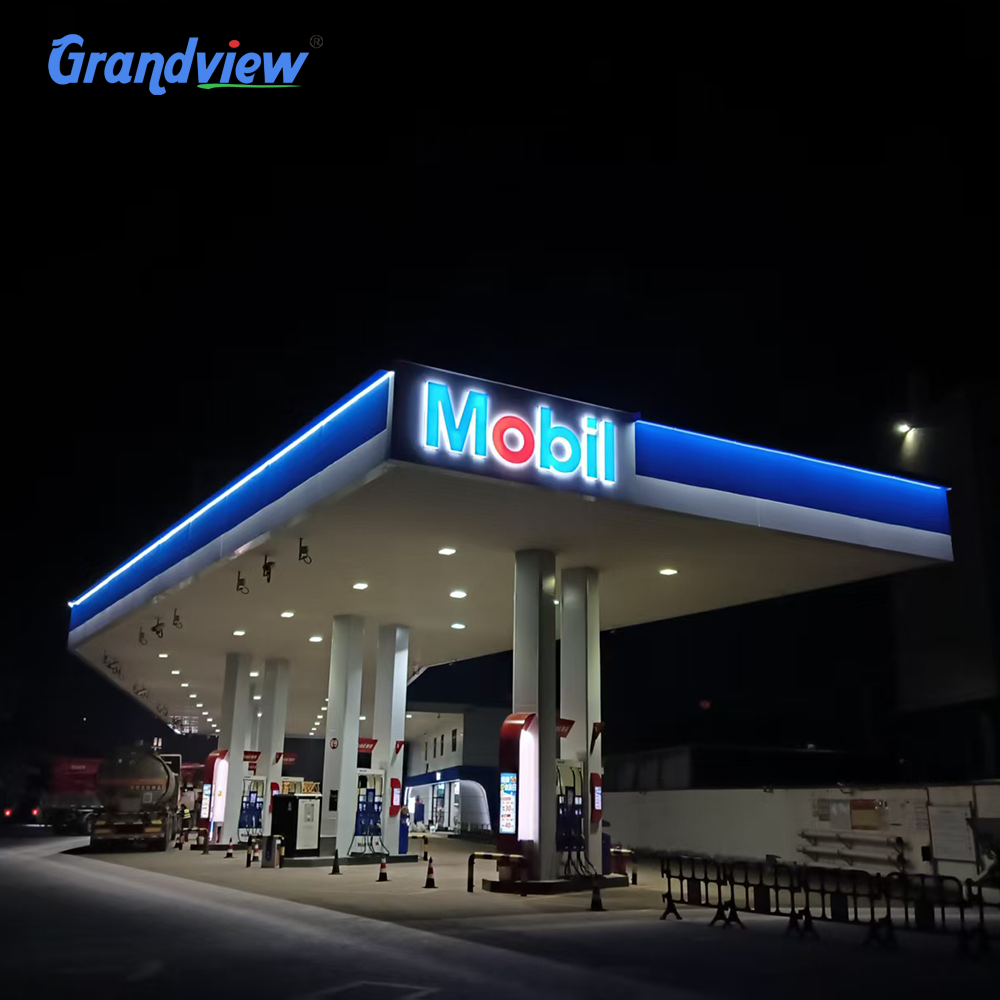
Modern gas station design integrates multiple lighting elements including overhead canopy fixtures, perimeter accent lighting, and digital signage displays. Each component must be strategically positioned to minimize harsh shadows while preventing excessive brightness that causes visual discomfort for approaching drivers. Professional lighting designers typically recommend specific angle ranges and intensity levels that balance visibility requirements with glare reduction protocols.
The relationship between lighting placement and driver comfort extends beyond mere convenience considerations. Federal and state regulations governing commercial fuel facilities often specify maximum glare thresholds and minimum illumination standards. These requirements ensure that gas stations maintain safe operating conditions during evening and overnight hours when visibility challenges are most pronounced.
Understanding Canopy Lighting Fundamentals
Primary Lighting Functions and Requirements
Gas station canopy lighting serves multiple critical functions that extend far beyond basic illumination. The primary objective involves providing adequate visibility for fuel dispensing operations while ensuring customer safety during transaction processes. Canopy fixtures must deliver sufficient light levels to illuminate fuel pump areas, payment terminals, and vehicle access zones without creating harsh contrasts or dark spots that could compromise security.
Industry standards typically require minimum illumination levels ranging from 20 to 50 foot-candles at ground level beneath the canopy structure. These specifications ensure that customers can safely navigate fuel dispensing equipment while maintaining clear visibility of pricing displays and safety signage. Additionally, proper lighting helps surveillance cameras capture clear footage for security monitoring purposes.
The integration of digital displays and electronic signage adds complexity to canopy lighting design considerations. Modern gas digital sign systems require complementary lighting that enhances display visibility without interfering with screen readability or creating unwanted reflections.
Glare Formation and Impact Factors
Glare occurs when excessive brightness enters the human visual field, causing discomfort and temporary vision impairment. In gas station environments, poorly positioned lights can create direct glare that affects drivers approaching fuel pumps or indirect glare reflected from wet pavement surfaces. Understanding these glare mechanisms helps facility managers implement effective lighting strategies.
Direct glare results from unshielded light sources positioned within the driver's line of sight. This typically happens when canopy fixtures are mounted at inappropriate angles or lack proper optical control accessories. Indirect glare develops when light reflects off glossy surfaces such as wet concrete, vehicle windshields, or metallic pump components, creating bright spots that interfere with normal vision.
Environmental conditions significantly influence glare intensity and distribution patterns. Rain, fog, and atmospheric moisture can scatter light rays, amplifying glare effects and reducing overall visibility quality. Seasonal variations in sun position also affect how artificial lighting interacts with natural illumination during twilight hours when gas stations experience peak customer traffic.
Optimal Lighting Angle Configurations
Vertical Angle Recommendations
Professional lighting designers recommend mounting canopy fixtures at vertical angles between 15 and 30 degrees from the horizontal plane. This positioning provides effective downward illumination while minimizing direct light exposure to approaching drivers. Fixtures angled beyond 30 degrees may create excessive glare, while angles less than 15 degrees often produce inadequate ground coverage and uneven light distribution.
The specific vertical angle selection depends on canopy height, fixture spacing, and local environmental conditions. Higher canopy structures typically require steeper angles to achieve proper ground illumination, while lower installations can utilize shallower angles effectively. Most installations benefit from adjustable mounting systems that allow fine-tuning based on actual performance observations.
Asymmetric light distribution patterns offer superior glare control compared to symmetric designs. These specialized optical systems direct more light toward fuel dispensing areas while reducing intensity in directions where drivers typically approach. Advanced LED fixtures often incorporate asymmetric optics specifically designed for gas station canopy applications.
Horizontal Positioning Strategies
Horizontal fixture placement requires careful consideration of traffic flow patterns and vehicle positioning during fueling operations. Lights should be positioned to illuminate fuel pump islands uniformly while avoiding direct exposure to drivers seated in vehicles. Strategic placement between pump positions helps minimize shadows while preventing glare from affecting multiple vehicle locations simultaneously.
The relationship between fixture spacing and beam angles determines overall uniformity and glare control effectiveness. Closer fixture spacing with narrow beam angles typically provides better glare management than wider spacing with broad beams. However, increased fixture density raises installation and maintenance costs, requiring careful balance between performance and economic considerations.
Perimeter lighting integration affects overall glare management strategies. Edge-mounted fixtures should complement canopy lighting without creating conflicting light patterns or additional glare sources. Proper coordination between all lighting elements ensures consistent illumination quality throughout the fuel dispensing area.
Advanced Glare Reduction Techniques
Optical Control Accessories and Shields
Modern lighting fixtures offer various optical control accessories designed specifically for glare reduction applications. Cutoff shields, louvers, and specialized reflectors help direct light precisely where needed while blocking unwanted light rays that contribute to glare formation. These accessories can be retrofitted to existing installations or integrated into new fixture designs.
Cutoff shields represent the most common glare control solution for gas station canopy applications. These accessories block light emission above specific angles, typically preventing direct glare while maintaining adequate downward illumination. Full cutoff designs eliminate all light above 90 degrees, while semi-cutoff options allow limited upward light for architectural accent purposes.
Louver systems provide precise beam control through parallel slat arrangements that restrict light emission to desired angles. These accessories work particularly well in situations where existing fixtures cannot be repositioned but require improved glare control. Louver materials and finishes can be selected to complement architectural elements while providing optimal light management.
LED Technology and Smart Controls
Light-emitting diode technology offers superior glare control capabilities compared to traditional lighting sources. LED fixtures provide precise optical control through individual diode positioning and specialized lens systems. These design advantages enable more effective light distribution management while reducing overall power consumption and maintenance requirements.
Smart lighting control systems allow dynamic adjustment of light levels and distribution patterns based on real-time conditions. These systems can automatically reduce light intensity during low-traffic periods while maintaining full illumination when customer activity increases. Advanced sensors detect ambient light conditions and weather patterns, optimizing fixture performance for changing environmental factors.
Programmable dimming capabilities enable gas station operators to fine-tune lighting performance throughout different operational periods. Evening hours may require full illumination for customer safety, while late-night periods might benefit from reduced intensity to minimize light pollution and energy consumption. These adjustments help balance visibility requirements with glare reduction objectives.
Installation and Maintenance Considerations
Professional Installation Requirements
Proper canopy lighting installation requires expertise in electrical systems, structural mounting, and photometric design principles. Licensed electricians should handle all electrical connections while working with lighting professionals to achieve optimal fixture positioning. Installation teams must understand local building codes, safety regulations, and utility requirements that govern gas station lighting projects.
Structural considerations play a crucial role in successful lighting installations. Canopy structures must support additional fixture loads while maintaining architectural integrity and weather resistance. Mounting hardware should be designed for long-term durability in harsh outdoor environments including exposure to fuel vapors, temperature extremes, and seasonal weather conditions.
Photometric testing and verification ensure that installed lighting systems meet design specifications and regulatory requirements. Professional lighting designers often recommend post-installation measurements to confirm illumination levels, uniformity ratios, and glare control effectiveness. These verification procedures help identify any necessary adjustments before final system acceptance.
Ongoing Maintenance and Performance Optimization
Regular maintenance schedules help preserve lighting system performance and prevent gradual degradation that can compromise glare control effectiveness. LED fixtures typically require less frequent maintenance than traditional sources, but periodic cleaning and inspection remain essential for optimal operation. Accumulated dirt and debris can alter light distribution patterns and reduce overall system efficiency.
Fixture alignment verification should be included in routine maintenance procedures. Vibration from traffic, wind loads, and thermal cycling can gradually shift fixture positions, potentially creating new glare problems or reducing illumination quality. Simple measurement tools help maintenance personnel identify and correct alignment issues before they impact customer experience.
Performance monitoring systems provide valuable data for optimizing lighting operations and identifying potential problems. These systems track energy consumption, light output, and operational hours while generating alerts for maintenance needs or system failures. Advanced monitoring capabilities support predictive maintenance strategies that minimize downtime and ensure consistent performance quality.
FAQ
What is the recommended mounting height for gas station canopy lights
Gas station canopy lights should typically be mounted between 14 and 18 feet above ground level, depending on the specific canopy design and local requirements. This height range provides adequate illumination coverage while allowing proper fixture angling for glare control. Higher mounting positions may require increased wattage or additional fixtures to maintain required light levels, while lower positions can increase glare potential for approaching drivers.
How often should canopy lighting angles be checked and adjusted
Canopy lighting angles should be inspected and verified at least twice annually, preferably during spring and fall maintenance periods. Environmental factors such as wind, thermal expansion, and structural settling can gradually alter fixture positions over time. Additionally, any modifications to canopy structures, signage installations, or surrounding landscaping may require lighting angle adjustments to maintain optimal performance and glare control.
Can existing gas station lighting be upgraded to reduce glare without complete replacement
Yes, many existing gas station lighting installations can be upgraded with glare reduction accessories and optical control devices. Retrofit shields, louvers, and specialized reflectors can significantly improve glare control performance without requiring complete fixture replacement. However, very old installations with poor positioning or inadequate structural support may benefit more from comprehensive lighting system upgrades that incorporate modern LED technology and proper mounting configurations.
What lighting standards apply to gas station canopy installations
Gas station canopy lighting must comply with various standards including Illuminating Engineering Society recommendations, local building codes, and petroleum industry safety regulations. The IES RP-6 standard provides specific guidance for service station lighting including illumination levels, uniformity requirements, and glare control recommendations. Additionally, many jurisdictions have adopted light pollution ordinances that establish maximum glare levels and require full-cutoff fixtures in certain applications.