
 EN
EN
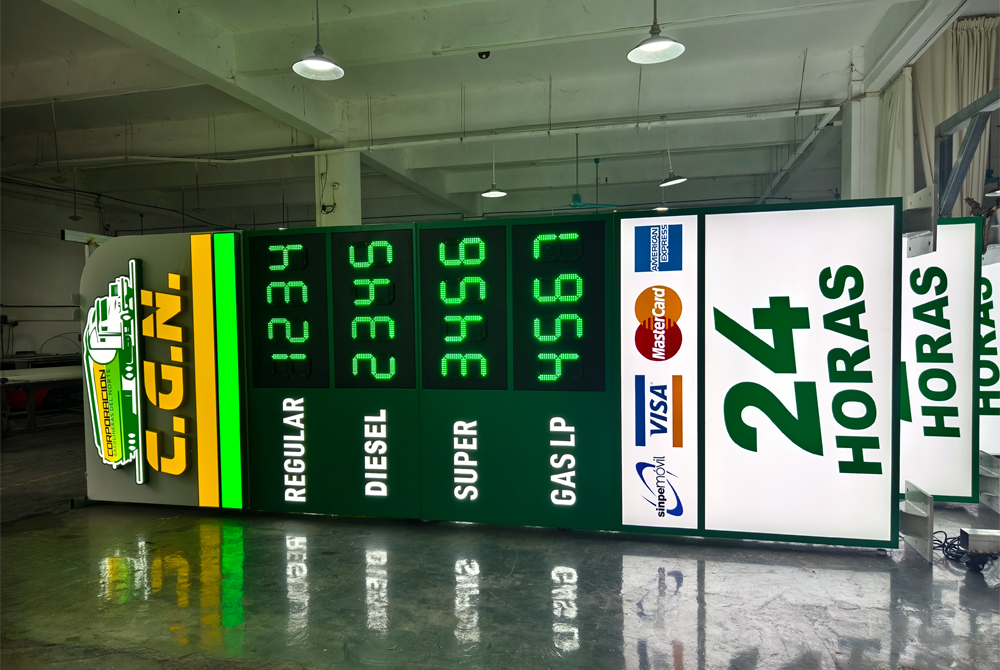
Remote control technology for LED gas price displays has revolutionized fuel station operations, offering unprecedented convenience and efficiency in price management. However, with the integration of wireless communication systems in modern gas digital sign installations, security concerns regarding unauthorized access and price tampering have become increasingly important for station owners and operators. Understanding the sophisticated protection mechanisms built into contemporary LED fuel pricing systems is crucial for maintaining operational integrity and preventing financial losses.
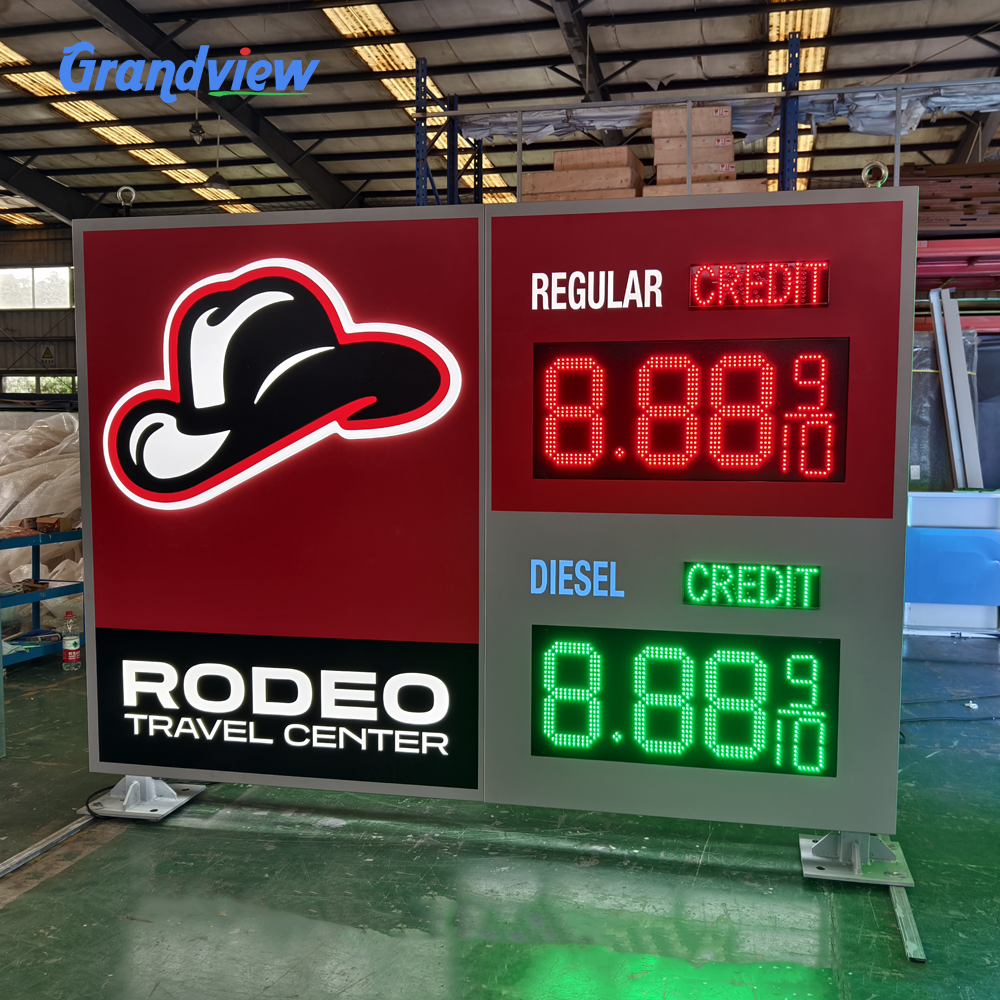
Modern fuel retail environments demand robust security protocols to protect against potential vulnerabilities in remote price management systems. The evolution of wireless communication standards and encryption technologies has significantly enhanced the protection capabilities of LED pricing displays. These advanced security measures work in conjunction with multiple authentication layers to ensure that only authorized personnel can modify pricing information on gas station signage.
Encryption Standards and Communication Protocols
Advanced Wireless Security Architecture
Contemporary LED gas price signs employ sophisticated encryption algorithms that exceed industry standards for wireless communication security. The implementation of AES-256 encryption protocols ensures that all data transmitted between remote control devices and display units remains protected against interception attempts. This military-grade encryption standard has proven virtually impossible to break using conventional hacking methods, providing an essential security foundation for price management systems.
Radio frequency communication channels utilized by modern gas digital sign systems operate on secure, licensed frequencies that prevent unauthorized access through common scanning equipment. The frequency hopping technology integrated into these systems continuously changes communication channels, making it extremely difficult for potential intruders to maintain consistent connection attempts. Additionally, the implementation of spread spectrum technology distributes the signal across multiple frequencies, further enhancing resistance to interference and unauthorized monitoring.
Multi-Layer Authentication Protocols
Professional-grade LED pricing systems incorporate multiple authentication layers that verify user credentials before allowing any price modifications. These authentication protocols typically include unique device identifiers, encrypted password systems, and time-sensitive access codes that expire after predetermined intervals. The combination of these security measures creates a robust barrier against unauthorized access attempts while maintaining ease of use for legitimate operators.
Role-based access control systems ensure that different user levels have appropriate permissions for various system functions. Management personnel receive full administrative access, while operational staff may have limited capabilities for routine price adjustments. This hierarchical security structure prevents unauthorized individuals from accessing critical system settings or making significant pricing changes beyond their designated authority levels.
Physical Security Features and Tamper Detection
Hardware Protection Mechanisms
LED gas price displays incorporate numerous physical security features designed to prevent direct tampering attempts. Reinforced housing materials resist drilling, cutting, and impact damage, while specialized fastening systems require proprietary tools for access. These hardware protection measures ensure that even physical access to the display unit does not guarantee successful tampering attempts by unauthorized individuals.
Tamper detection sensors embedded within the display housing immediately alert monitoring systems when unauthorized access attempts occur. These sensors can detect vibration, temperature changes, and housing breaches, triggering automatic alerts to station management and security personnel. The integration of these detection systems with central monitoring platforms enables rapid response to potential security threats.
Environmental Monitoring Systems
Advanced gas digital sign installations include environmental monitoring capabilities that track operational parameters and detect anomalous conditions. Temperature sensors, humidity monitors, and power consumption analyzers continuously evaluate system performance and can identify potential tampering attempts through unusual operational patterns. These monitoring systems provide comprehensive oversight of display unit integrity and performance.
Backup power systems ensure continuous operation and security monitoring even during power outages or electrical system failures. Battery backup units maintain essential security functions, including tamper detection and communication capabilities, preventing security vulnerabilities during power interruptions. These redundant power systems also log all operational events for later analysis and investigation purposes.
Access Control and User Management
Centralized Control Systems
Modern fuel retail operations utilize centralized control platforms that manage multiple gas digital sign installations across different locations. These centralized systems provide comprehensive oversight of pricing operations while maintaining strict security protocols for user access and authentication. The implementation of cloud-based management platforms enables secure remote monitoring and control capabilities from authorized locations.
Real-time logging systems record all user activities, pricing changes, and system interactions for comprehensive audit trails. These detailed logs enable administrators to track every modification made to pricing displays and identify any unauthorized or suspicious activities. The timestamp accuracy and user identification capabilities of these logging systems provide essential forensic evidence for investigating potential security incidents.
Remote Monitoring and Alert Systems
Sophisticated alert notification systems immediately inform authorized personnel of any unauthorized access attempts or suspicious activities detected by the security monitoring systems. These notifications can be delivered through multiple communication channels, including email, text messages, and specialized monitoring applications. The rapid notification capabilities ensure that security incidents receive immediate attention and appropriate response measures.
Automated backup and recovery systems protect pricing data and system configurations against potential data loss or corruption. Regular automated backups ensure that pricing information remains secure and recoverable in the event of system failures or security breaches. These backup systems also enable rapid restoration of normal operations following any security incidents or system disruptions.
Compliance Standards and Industry Regulations
Regulatory Compliance Requirements
LED gas price display systems must comply with numerous industry standards and government regulations regarding pricing accuracy and security. Weights and measures authorities in various jurisdictions have established specific requirements for electronic pricing systems, including security protocols and tamper resistance capabilities. These regulatory standards ensure that fuel retailers maintain accurate pricing information while protecting consumers against fraudulent pricing practices.
Certification processes for commercial gas digital sign systems include rigorous security testing and validation procedures. Independent testing laboratories evaluate encryption effectiveness, tamper resistance, and communication security protocols to verify compliance with industry standards. These certification requirements provide assurance that LED pricing systems meet established security benchmarks for commercial fuel retail applications.
Data Protection and Privacy Standards
Contemporary pricing management systems incorporate comprehensive data protection measures that safeguard operational information and user credentials. Privacy protection protocols ensure that sensitive business information remains secure during transmission and storage processes. These data protection measures align with international privacy standards and regulatory requirements for commercial data handling.
Regular security audits and vulnerability assessments help identify potential weaknesses in LED pricing system security protocols. Professional security consultants evaluate system configurations, access controls, and communication protocols to ensure optimal protection against emerging threats. These ongoing assessments enable continuous improvement of security measures and adaptation to evolving security challenges.
FAQ
How often should security protocols be updated for LED gas price signs
Security protocols for LED gas price displays should be reviewed and updated quarterly to address emerging threats and maintain optimal protection levels. Regular firmware updates from manufacturers often include enhanced security features and vulnerability patches that strengthen overall system security. Additionally, annual comprehensive security audits help identify potential weaknesses and ensure continued compliance with industry standards.
Can weather conditions affect the security of remote control systems
Extreme weather conditions can potentially impact the performance of wireless communication systems used in LED pricing displays, but modern systems incorporate weather-resistant designs and adaptive communication protocols. Temperature fluctuations, moisture, and electromagnetic interference from storms are accounted for in the engineering of professional-grade gas digital sign systems. Backup communication methods and environmental monitoring ensure continued security even during adverse weather conditions.
What happens if an unauthorized person attempts to access the pricing system
When unauthorized access attempts are detected, the system immediately triggers multiple security responses including automatic alerts to management personnel, logging of the incident with detailed forensic information, and potential temporary lockout of the affected communication channel. Advanced systems may also activate additional monitoring protocols and notify law enforcement if warranted by the severity of the attempted breach.
How do backup power systems maintain security during outages
Backup power systems in LED gas price displays maintain essential security functions including tamper detection sensors, communication capabilities, and access control systems during power interruptions. These battery backup units typically provide several hours of continued security monitoring and can maintain wireless communication with central monitoring systems. The backup systems also preserve all security logs and operational data to ensure no security information is lost during power outages.