
 EN
EN
Gas stations across the country are discovering that LED retrofits under their canopies represent one of the most impactful energy-saving investments they can make. The transition from traditional fluorescent and metal halide lighting to LED systems in gas station canopy installations delivers measurable electricity savings that directly impact operational costs. Understanding the actual energy consumption differences between conventional lighting and modern LED solutions helps station owners make informed decisions about their lighting infrastructure upgrades.
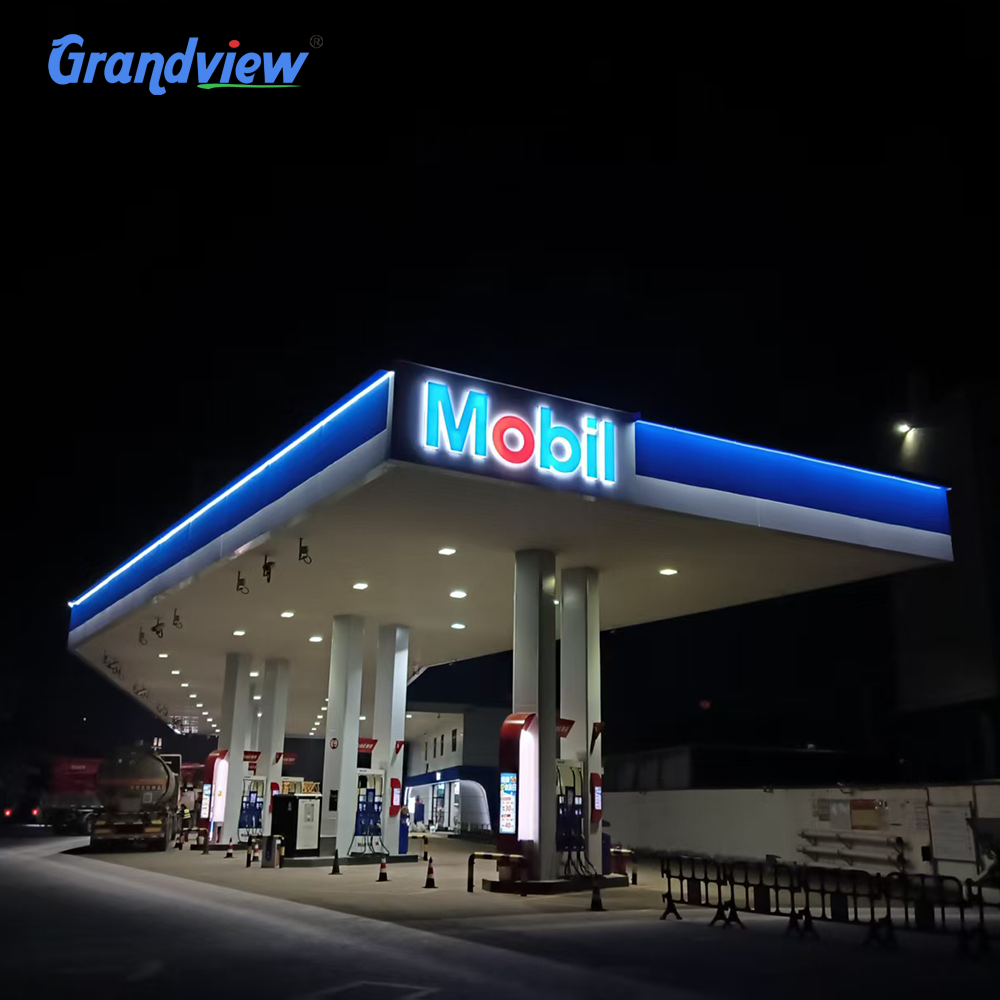
The energy efficiency of a gas station canopy depends heavily on the type of lighting technology installed beneath its protective structure. Traditional lighting systems consume significantly more electricity while producing comparable illumination levels. LED retrofit projects consistently demonstrate energy reductions ranging from 50% to 75% compared to existing fluorescent or high-intensity discharge lighting systems commonly found in older gas station canopy installations.
Energy Consumption Analysis of Traditional Gas Station Lighting
Fluorescent Lighting Power Draw
Standard fluorescent fixtures installed in gas station canopy areas typically consume between 32 to 54 watts per tube, with most installations requiring multiple tubes per fixture to achieve adequate illumination. A typical gas station canopy might house 12 to 20 fluorescent fixtures, each containing two to four tubes. The total power consumption for fluorescent lighting in a standard gas station canopy ranges from 1,536 to 4,320 watts when all fixtures operate simultaneously.
The ballast systems required for fluorescent operation add an additional 10% to 15% to the total energy consumption. This means that a gas station canopy with fluorescent lighting may actually consume 1,700 to 4,970 watts including ballast losses. The continuous operation required for safety and security purposes results in substantial monthly electricity costs that accumulate throughout the year.
Metal Halide and High Pressure Sodium Systems
Some gas station canopy installations utilize metal halide or high pressure sodium fixtures, which consume even more electricity than fluorescent systems. Metal halide fixtures commonly used in commercial gas station canopy lighting range from 150 to 400 watts per fixture. High pressure sodium alternatives typically consume 70 to 250 watts per fixture, though they require warm-up periods that can affect energy efficiency during frequent cycling.
The total power consumption for a gas station canopy using metal halide lighting can reach 6,000 to 8,000 watts for adequate coverage. These systems also generate significant heat, which can affect the comfort of customers and employees working beneath the canopy structure. The heat generation represents wasted energy that contributes to higher cooling costs during warmer months.
LED Retrofit Benefits and Energy Savings
LED Power Consumption Comparison
LED fixtures designed for gas station canopy applications typically consume 15 to 65 watts per fixture while delivering equivalent or superior illumination compared to traditional systems. A complete LED retrofit for a standard gas station canopy requires approximately 400 to 1,200 watts total power consumption, representing a dramatic reduction from conventional lighting systems.
The efficiency gains achieved through LED technology stem from the direct conversion of electrical energy to light without the intermediate heat generation common in fluorescent and HID systems. LED fixtures maintain consistent light output throughout their operational lifespan, eliminating the gradual degradation that affects traditional lighting systems in gas station canopy installations.
Quantifying Actual Electricity Savings
Real-world LED retrofit projects at gas station canopy locations demonstrate consistent energy savings that exceed initial projections. A typical retrofit project replacing 18 fluorescent fixtures consuming 54 watts each with LED equivalents consuming 28 watts each results in a reduction from 972 watts to 504 watts. This represents a 48% reduction in electricity consumption for lighting the gas station canopy area.
More substantial savings occur when replacing metal halide systems with LED fixtures. A gas station canopy equipped with eight 250-watt metal halide fixtures consuming 2,000 watts total can be retrofitted with LED fixtures consuming just 480 watts while maintaining illumination standards. This configuration delivers 76% energy savings and significantly reduces the electricity costs associated with maintaining proper lighting levels beneath the canopy structure.
Operational Cost Impact and ROI Calculations
Monthly and Annual Electricity Cost Reductions
The electricity savings from LED retrofits in gas station canopy applications translate directly into reduced operational expenses. Assuming continuous 24-hour operation at an average commercial electricity rate of $0.12 per kWh, a gas station canopy consuming 2,000 watts for traditional lighting incurs monthly costs of approximately $172.80. The same canopy retrofitted with LED lighting consuming 500 watts would cost $43.20 monthly, representing savings of $129.60 per month.
Annual electricity cost savings for this example gas station canopy LED retrofit total $1,555.20, which accumulates substantially over the 10 to 15-year lifespan of LED fixtures. The consistent nature of these savings provides predictable cost reductions that improve the financial performance of gas station operations while maintaining necessary safety and visibility standards.
Payback Period Analysis
LED retrofit investments for gas station canopy applications typically achieve payback within 18 to 36 months depending on existing lighting conditions and local electricity rates. Higher electricity costs and older, less efficient existing systems result in faster payback periods. The initial investment in LED fixtures and installation costs ranges from $2,000 to $6,000 for a standard gas station canopy retrofit project.
Beyond the payback period, LED systems continue generating savings throughout their extended operational lifespan. The reduced maintenance requirements of LED fixtures eliminate the labor and material costs associated with frequent lamp replacements common in traditional gas station canopy lighting systems. This additional cost avoidance further improves the financial benefits of LED retrofit investments.
Performance and Safety Considerations
Light Quality and Distribution
LED fixtures designed for gas station canopy applications provide superior light distribution compared to traditional systems while consuming significantly less electricity. The directional nature of LED lighting reduces light pollution and focuses illumination where needed most. Modern LED fixtures deliver consistent color temperature and eliminate the flickering associated with aging fluorescent systems.
The instant-on capability of LED lighting ensures immediate full illumination without warm-up periods required by metal halide systems. This feature proves particularly valuable for gas station canopy installations where consistent lighting levels support customer safety and security throughout all operating hours. The reliability of LED systems reduces the risk of lighting failures that could compromise safety in gas station environments.
Environmental Impact and Sustainability
LED retrofits for gas station canopy lighting contribute to reduced carbon emissions through lower electricity consumption. The decreased power demand translates to reduced strain on electrical grid systems and lower fossil fuel consumption at power generation facilities. A typical gas station canopy LED retrofit eliminates approximately 4,000 to 8,000 pounds of CO2 emissions annually compared to traditional lighting systems.
The extended lifespan of LED fixtures reduces waste generation compared to frequent replacement of fluorescent tubes and metal halide lamps. LED technology contains no mercury or other hazardous materials common in traditional gas station canopy lighting systems, simplifying disposal processes and reducing environmental impact throughout the lighting system lifecycle.
Implementation Strategies and Best Practices
Selecting Appropriate LED Fixtures
Successful LED retrofits for gas station canopy applications require careful selection of fixtures designed specifically for petroleum retail environments. The fixtures must provide adequate illumination levels while withstanding exposure to fuel vapors and weather conditions. High-quality LED fixtures feature sealed housings and corrosion-resistant materials suitable for long-term installation beneath gas station canopy structures.
The photometric performance of LED fixtures should match or exceed existing lighting levels while optimizing energy consumption. Proper fixture placement and spacing ensure uniform light distribution across the entire gas station canopy area without creating dark spots or glare issues that could affect customer experience or safety.
Installation and Commissioning Process
Professional installation ensures optimal performance and safety compliance for LED retrofit projects in gas station canopy environments. Qualified electricians understand the specific requirements for electrical work in classified locations where fuel vapors may be present. Proper installation includes secure mounting, appropriate electrical connections, and compliance with local building codes and petroleum retail regulations.
Commissioning the completed LED retrofit involves verification of illumination levels, energy consumption measurement, and system functionality testing. Documentation of baseline conditions before retrofit and post-installation performance validates the achieved energy savings and provides data for ongoing monitoring. This information supports maintenance planning and helps identify opportunities for additional efficiency improvements in the gas station canopy lighting system.
FAQ
How much electricity can a typical gas station canopy save with LED retrofits?
A typical gas station canopy can achieve 50% to 75% electricity savings through LED retrofits, depending on the existing lighting technology. Fluorescent systems typically see 45% to 60% reductions, while metal halide replacements can achieve 70% to 80% energy savings. The actual savings depend on fixture types, operating hours, and local electricity rates, but most installations achieve payback within 2 to 3 years.
What factors affect the energy savings potential of LED retrofits?
Several factors influence the energy savings potential including the type of existing lighting system, fixture age and condition, operating schedule, and required illumination levels. Older, less efficient systems provide greater savings opportunities. Continuous 24-hour operation maximizes the financial impact of energy reductions. Local electricity rates and utility rebate programs also affect the overall economic benefits of LED retrofit projects.
Do LED fixtures provide adequate illumination for gas station safety requirements?
Modern LED fixtures designed for gas station canopy applications meet or exceed illumination requirements for retail petroleum facilities. These fixtures provide consistent light levels, better color rendering, and improved uniformity compared to traditional systems while consuming significantly less electricity. LED technology eliminates flickering and provides instant full brightness, enhancing safety and security for customers and employees.
What maintenance benefits accompany LED retrofits in gas station environments?
LED fixtures offer substantial maintenance advantages including 10 to 15-year lifespans compared to 2 to 3 years for fluorescent systems. The reduced maintenance requirements eliminate frequent lamp replacements and associated labor costs. LED fixtures resist vibration, temperature fluctuations, and environmental conditions better than traditional lighting, reducing service calls and downtime that can affect gas station operations.
Table of Contents
- Energy Consumption Analysis of Traditional Gas Station Lighting
- LED Retrofit Benefits and Energy Savings
- Operational Cost Impact and ROI Calculations
- Performance and Safety Considerations
- Implementation Strategies and Best Practices
-
FAQ
- How much electricity can a typical gas station canopy save with LED retrofits?
- What factors affect the energy savings potential of LED retrofits?
- Do LED fixtures provide adequate illumination for gas station safety requirements?
- What maintenance benefits accompany LED retrofits in gas station environments?