
 EN
EN
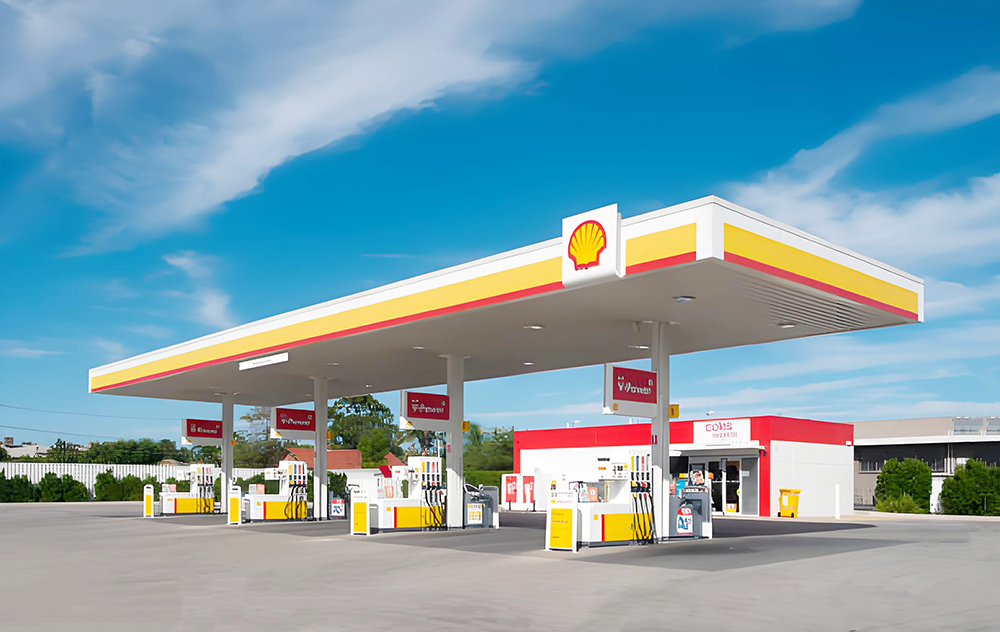
The question of whether displaying both RON95 and RON99 fuel grades on a single petrol sign creates confusion for drivers is a legitimate concern for fuel station operators worldwide. Modern fuel retailers face the challenge of clearly communicating multiple octane rating options while maintaining simplicity and preventing customer confusion at the pump. The design and information hierarchy of a petrol sign directly impacts driver decision-making speed, customer satisfaction, and operational efficiency during peak traffic periods.
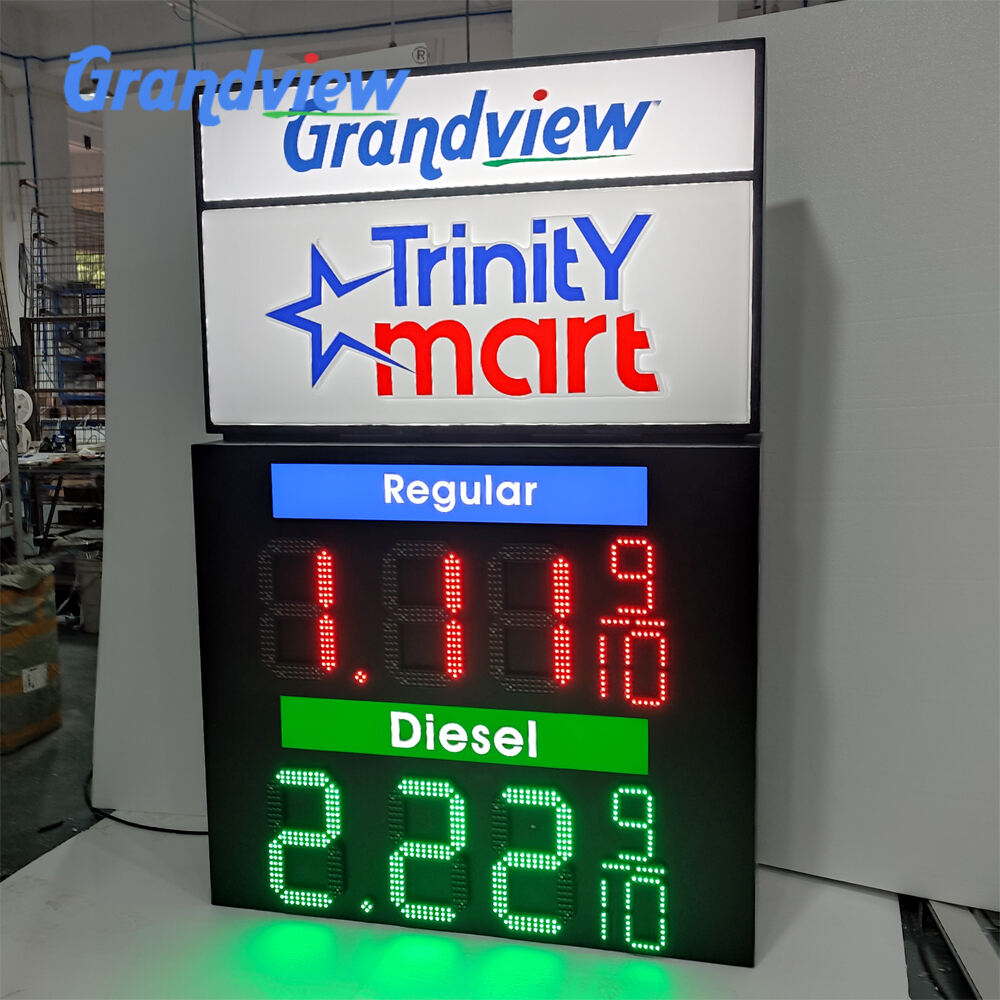
Research indicates that driver confusion typically stems not from the presence of multiple fuel grades on a petrol sign, but rather from poor visual design, unclear labeling hierarchy, and inadequate differentiation between product offerings. When both RON95 and RON99 are displayed using proper design principles, drivers can quickly identify their preferred fuel grade without experiencing decision paralysis or confusion. The key lies in implementing effective visual separation, consistent color coding, and logical information arrangement that guides customer attention naturally from one fuel option to another.
Visual Design Impact on Driver Comprehension
Information Hierarchy and Readability Factors
The effectiveness of a petrol sign displaying both RON95 and RON99 depends heavily on establishing clear visual hierarchy through strategic use of typography, spacing, and contrast. When fuel grades are presented with distinct visual weights, drivers can process the information efficiently even during high-stress driving conditions or time-pressured refueling situations. Professional petrol sign design incorporates larger font sizes for primary information, consistent spacing between fuel grade sections, and sufficient contrast ratios to ensure readability under various lighting conditions including direct sunlight and nighttime illumination.
Digital LED petrol sign displays offer superior flexibility for presenting multiple fuel grades compared to traditional static signage. The ability to adjust brightness levels, implement color coding systems, and create dynamic visual separation between RON95 and RON99 pricing information significantly reduces potential driver confusion. Modern petrol sign technology allows operators to customize display layouts that accommodate local market preferences while maintaining international standards for fuel grade identification and pricing transparency.
Color Psychology and Grade Differentiation
Color selection plays a crucial role in preventing confusion when both RON95 and RON99 appear on the same petrol sign. Industry research demonstrates that consistent color associations help drivers quickly identify their preferred fuel grade without requiring detailed text reading. Green displays are commonly associated with regular unleaded fuel (RON95), while premium grades (RON99) often utilize blue or gold color schemes to create immediate visual distinction and reinforce the premium positioning of higher octane fuel options.
The psychological impact of color choices extends beyond simple identification to influence customer perception of fuel quality and station credibility. A well-designed petrol sign that uses appropriate color differentiation for RON95 and RON99 grades creates subconscious confidence in the accuracy and reliability of the displayed information. This visual confidence translates directly into reduced hesitation time at fuel dispensers and improved overall customer experience during the refueling process.
Customer Behavior and Decision-Making Patterns
Processing Speed and Information Overload
Driver behavior studies reveal that customers typically spend between 3-7 seconds processing information on a petrol sign before making fuel selection decisions. When both RON95 and RON99 grades are displayed clearly with appropriate visual separation, this processing time remains within normal ranges without creating decision paralysis. However, cluttered or poorly organized petrol sign layouts that attempt to display too much information simultaneously can extend decision time and create frustration, particularly during busy periods when multiple vehicles are waiting to access fuel dispensers.
The concept of information overload becomes relevant when petrol signs attempt to display additional details beyond basic fuel grades and pricing. While RON95 and RON99 octane ratings provide essential technical information, supplementary details such as additive descriptions, environmental certifications, or promotional messages can overwhelm drivers and detract from the primary decision-making process. Effective petrol sign design balances comprehensive information provision with cognitive simplicity to support rapid customer decision-making.
Habituation and Routine Selection Patterns
Regular customers develop habitual fuel selection patterns that reduce their dependency on detailed petrol sign information once familiar with a station's layout and offerings. These drivers typically focus primarily on price information rather than grade specifications, as they have already established preferences for either RON95 or RON99 based on vehicle requirements and personal budget considerations. For habitual customers, the presence of both fuel grades on a single petrol sign serves primarily as confirmation rather than new decision input.
New or infrequent customers rely more heavily on petrol sign clarity to navigate fuel selection decisions, making effective design crucial for this customer segment. Clear differentiation between RON95 and RON99 options helps unfamiliar drivers understand available choices without requiring assistance from station personnel. This self-service capability is particularly important during unmanned operation hours and reduces operational burden on station staff during peak periods.
Technical Design Considerations for Multi-Grade Displays
Digital Display Programming and Layout Optimization
Modern digital petrol sign systems provide sophisticated programming capabilities that enable operators to optimize multi-grade displays for maximum clarity and minimal confusion. Advanced LED display technology allows for customizable layouts that can emphasize price information while maintaining clear fuel grade identification. Programming flexibility enables station operators to adjust display characteristics based on local traffic patterns, customer demographics, and competitive positioning requirements specific to their market environment.
The technical specifications of digital petrol sign displays directly impact their effectiveness in presenting multiple fuel grades simultaneously. High-resolution LED panels with adequate pixel density ensure crisp text rendering for both RON95 and RON99 grade identifications, while programmable brightness controls maintain optimal visibility across varying ambient light conditions. Professional-grade petrol sign systems incorporate automatic brightness adjustment sensors that optimize display visibility throughout daily lighting cycles without compromising readability or creating glare problems for passing drivers.
Regulatory Compliance and Industry Standards
Regulatory requirements for petrol sign displays vary by jurisdiction but generally emphasize accurate pricing information, clear fuel grade identification, and appropriate visibility standards. Most regulatory frameworks do not prohibit displaying multiple fuel grades on a single petrol sign, provided that the information is presented clearly and accurately. Compliance considerations include minimum font sizes for grade identification, mandatory pricing decimal precision, and requirements for price change notification procedures that affect both RON95 and RON99 displays simultaneously.
Industry standards developed by petroleum marketing associations provide guidance for effective petrol sign design that accommodates multiple fuel grades without creating customer confusion. These standards emphasize consistency in terminology, standardized color usage for different octane ratings, and recommended layout patterns that facilitate quick customer comprehension. Adherence to established industry standards helps ensure that petrol sign displays meet customer expectations regardless of geographic location or station brand affiliation.
Operational Impact and Business Considerations
Customer Flow and Station Efficiency
The design effectiveness of petrol signs displaying both RON95 and RON99 grades directly impacts station operational efficiency through its influence on customer flow patterns and decision speed. Clear, well-organized displays reduce the time customers spend deliberating fuel choices, which decreases queue formation and improves throughput during busy periods. Conversely, confusing or unclear petrol sign layouts can create bottlenecks as customers hesitate or seek clarification, reducing overall station capacity and customer satisfaction levels.
Station operators report that effective multi-grade petrol sign displays can actually improve sales performance by making premium fuel options (RON99) more visible and accessible to price-conscious customers who might otherwise default to regular unleaded (RON95) without considering alternatives. Strategic presentation of both grades enables customers to make informed choices based on current pricing differentials and personal vehicle requirements, potentially increasing average transaction values through premium fuel upselling.
Maintenance and Update Considerations
Digital petrol sign systems displaying multiple fuel grades require coordinated maintenance procedures to ensure accuracy across all displayed information. Price updating protocols must account for simultaneous changes to both RON95 and RON99 pricing, with verification procedures that confirm display accuracy before customer access. Regular calibration of display brightness, color accuracy, and text clarity becomes more critical when multiple grades are presented, as any degradation in display quality could preferentially affect readability of specific grade information.
Long-term operational costs for multi-grade petrol sign displays include considerations for software updates, hardware replacement scheduling, and staff training requirements. Modern LED display systems designed for fuel station applications typically provide reliable multi-grade display capabilities with minimal additional complexity compared to single-grade alternatives. However, operators must budget for periodic upgrades to display programming software and potential hardware modifications to accommodate changing regulatory requirements or competitive positioning strategies.
FAQ
Do drivers actually get confused when seeing both RON95 and RON99 on the same petrol sign?
Studies show that driver confusion is minimal when both fuel grades are displayed with proper visual separation and clear design hierarchy. Most confusion stems from poor layout design rather than the presence of multiple options. Professional petrol sign design that uses appropriate spacing, color coding, and font sizing allows drivers to quickly identify their preferred grade without decision paralysis.
What design elements prevent confusion on multi-grade petrol signs?
Key design elements include consistent color coding for different grades, adequate spacing between price displays, clear font hierarchy with larger text for primary information, and logical information flow from left to right or top to bottom. Digital LED displays offer advantages through programmable brightness and color options that enhance grade differentiation.
Are there regulatory requirements for displaying multiple fuel grades on petrol signs?
Most jurisdictions require accurate pricing and clear grade identification but do not prohibit multi-grade displays. Regulations typically specify minimum font sizes, decimal precision for pricing, and visibility standards. Station operators must ensure compliance with local advertising and consumer protection regulations while maintaining clear communication of fuel options.
How does showing both grades affect customer decision time at fuel stations?
Well-designed multi-grade petrol signs maintain normal customer decision times of 3-7 seconds when proper visual hierarchy is implemented. Clear differentiation between RON95 and RON99 options can actually improve decision efficiency by providing complete information at a glance, eliminating the need for customers to search for alternative fuel options or pricing information.
Table of Contents
- Visual Design Impact on Driver Comprehension
- Customer Behavior and Decision-Making Patterns
- Technical Design Considerations for Multi-Grade Displays
- Operational Impact and Business Considerations
-
FAQ
- Do drivers actually get confused when seeing both RON95 and RON99 on the same petrol sign?
- What design elements prevent confusion on multi-grade petrol signs?
- Are there regulatory requirements for displaying multiple fuel grades on petrol signs?
- How does showing both grades affect customer decision time at fuel stations?