
 EN
EN
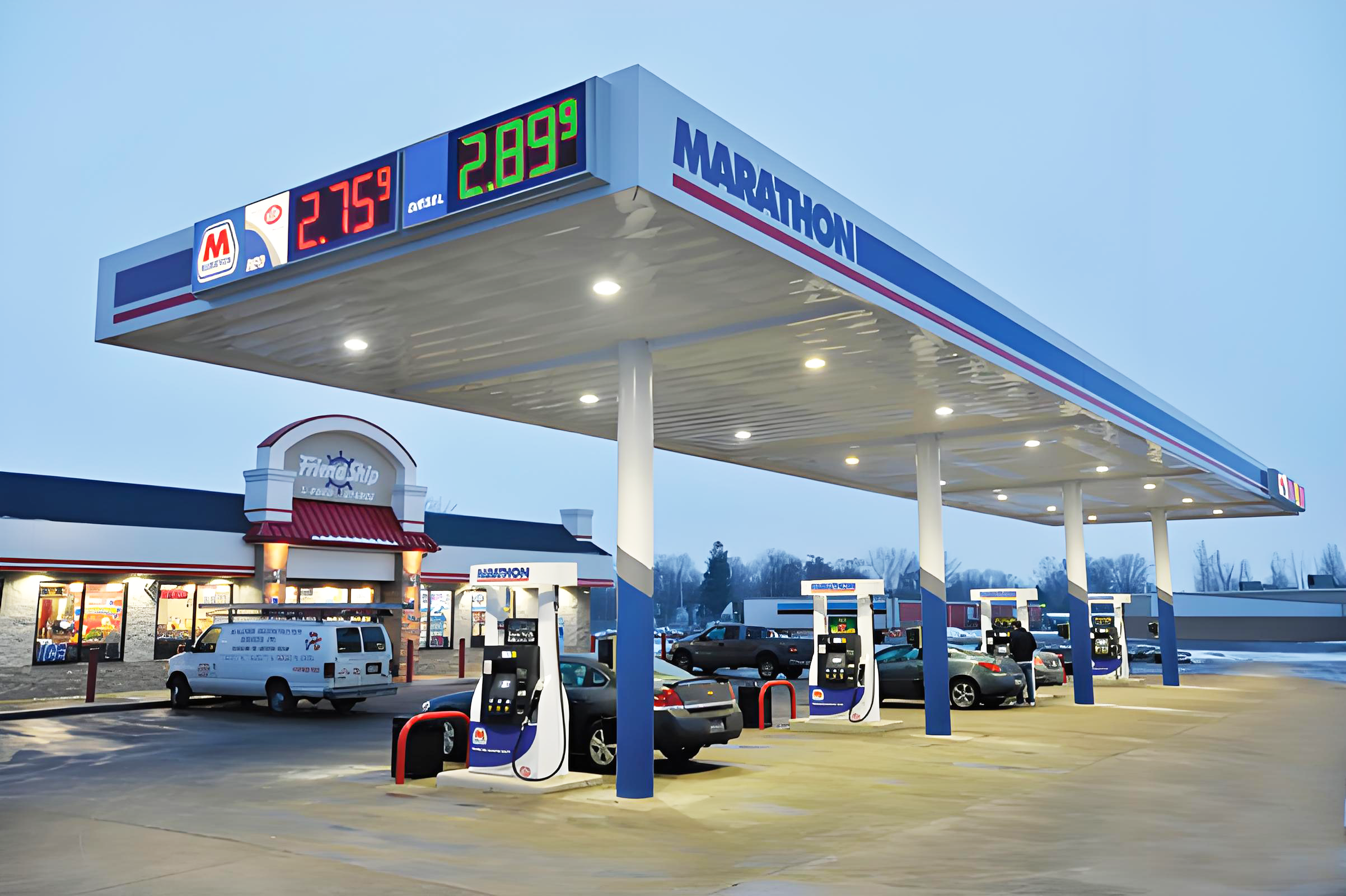
The strategic placement and sequencing of petrol station signs represents one of the most critical factors in converting passing traffic into paying customers. Understanding the optimal sequence that guides drivers from initial road visibility through to the fuel pump requires careful consideration of visibility distances, decision-making psychology, and traffic flow patterns. The effectiveness of your petrol station signs directly impacts revenue generation, with poorly sequenced signage potentially causing drivers to miss your station entirely or lose confidence during the approach sequence.
Modern fuel retail success depends heavily on creating a seamless visual journey that removes uncertainty and builds driver confidence throughout the approach process. The sequence must account for varying traffic speeds, different approach angles, and the psychological stages drivers experience when selecting a fuel stop. Effective petrol station signs work together as an integrated system, with each sign building upon the previous message while preparing drivers for the next decision point in their journey to your pumps.

Initial Road Visibility and Brand Recognition Phase
Highway Approach Distance Considerations
The first phase of effective petrol station signs begins at maximum visibility distance, typically 800 to 1200 meters from your station depending on road conditions and speed limits. At this distance, drivers are scanning for fuel options and making preliminary decisions about where to stop. Your primary road sign must be large enough to read clearly at highway speeds while conveying essential brand information and basic fuel availability. The messaging at this stage should focus on brand recognition and fundamental services rather than detailed pricing or promotional offers.
Highway-grade petrol station signs at this distance require specific dimensional considerations to ensure readability. Letters must be sized according to viewing distance formulas, with a minimum height of 150mm per 30 meters of viewing distance under optimal conditions. Weather conditions, lighting variations, and driver fatigue all impact the effectiveness of distant signage, making oversized lettering a practical necessity rather than an aesthetic choice.
Brand Differentiation Strategies
Your initial road signs must distinguish your station from competitors while building immediate trust with potential customers. This involves strategic use of brand colors, logo placement, and service indicators that create positive associations before drivers commit to your exit. Effective petrol station signs at this stage often incorporate fuel grade indicators, basic service symbols, and pricing tier suggestions without overwhelming drivers with excessive detail during high-speed approach phases.
The psychological impact of brand consistency cannot be understated in fuel retail environments. Drivers develop subconscious preferences based on visual cues, and your distant signage sets expectations that must be fulfilled throughout the entire approach sequence. Inconsistent messaging or visual elements between road signs and station infrastructure can create doubt that leads to last-minute decisions to continue driving past your location.
Exit Decision and Transition Signage
Critical Decision Point Management
The second phase occurs at approximately 200 to 400 meters from your station entrance, where drivers make the definitive commitment to exit or continue driving. Petrol station signs at this distance must provide clear directional guidance while reinforcing the value proposition that initially attracted driver attention. This is where price displays, service availability, and convenience factors become crucial messaging elements that finalize the customer's decision to stop.
Effective transition signage addresses the practical concerns drivers have during the commitment phase. Clear indicators of pump availability, payment options, restroom facilities, and food services help drivers confirm their choice while providing reassurance about the station's quality and convenience. The signage sequence must also account for traffic flow patterns, ensuring that signs remain visible even when other vehicles obstruct sightlines during busy periods.
Directional Clarity and Flow Management
Once drivers commit to your station, petrol station signs must provide unambiguous directional guidance that prevents confusion or hesitation. Multiple entry points, one-way traffic patterns, and pump island configurations all require specific directional signage that guides vehicles efficiently through your facility. Poor directional signage at this stage can create traffic bottlenecks, customer frustration, and safety concerns that damage your station's reputation.
The transition phase also represents an opportunity to communicate additional services that increase transaction values. Well-positioned signs highlighting car wash services, convenience store offerings, or loyalty programs can influence customer behavior during the final approach to fuel pumps. However, this messaging must be balanced carefully to avoid overwhelming drivers who are primarily focused on navigation and pump access.
On-Site Navigation and Service Communication
Pump Island Organization Systems
The third phase involves on-site petrol station signs that organize traffic flow within your facility while maximizing pump utilization efficiency. Drivers need clear guidance about fuel grades, pump availability, payment options, and service procedures before selecting their fueling position. Effective signage at this stage reduces customer confusion, minimizes wait times, and creates positive experiences that encourage repeat visits and word-of-mouth recommendations.
Pump island signage must account for approach angles from multiple directions while remaining visible in various lighting conditions. Digital displays offer advantages for real-time price updates and promotional messaging, but require backup systems and maintenance protocols to ensure consistent operation. Traditional static signs provide reliability and cost-effectiveness, but lack the flexibility to respond to competitive pricing pressures or promotional opportunities.
Payment and Service Process Indicators
Modern fuel retail involves complex payment systems, fuel grade selections, and additional service options that require clear communication through strategically positioned petrol station signs. Customers need immediate confirmation about payment methods, loyalty program participation, and service availability before beginning the fueling process. Unclear or missing information at this stage can lead to transaction abandonment, customer frustration, and negative reviews that impact long-term business performance.
Service process signage must also address safety requirements, environmental considerations, and regulatory compliance issues that protect both customers and your business. Clear instructions about fuel handling, emergency procedures, and facility rules help prevent accidents while demonstrating professional management and attention to customer welfare. These signs often go unnoticed when effective but become critically important during unusual situations or emergencies.
Promotional and Upselling Integration Points
Strategic Revenue Enhancement Opportunities
Throughout the customer journey, petrol station signs serve as powerful tools for promoting additional services and increasing average transaction values. However, promotional messaging must be integrated carefully into the primary navigation and information sequence to avoid creating confusion or overwhelming customers during their fuel purchase process. The most effective promotional signs align with natural decision points and customer needs rather than competing for attention with essential operational information.
Successful upselling through signage requires understanding customer psychology during different phases of the visit. Initial approach signs might highlight competitive advantages or unique services, while pump-side displays can promote impulse purchases or loyalty program benefits. Exit-area signage provides final opportunities for promoting return visits, referral programs, or seasonal services that extend customer relationships beyond individual transactions.
Seasonal and Dynamic Content Management
Effective petrol station signs accommodate changing promotional needs, seasonal service variations, and competitive responses through flexible content management systems. Static signs provide cost-effective baseline messaging, while digital displays enable real-time updates for pricing, promotions, and service availability. The optimal mix depends on your market position, customer demographics, and competitive environment factors that influence purchasing decisions.
Seasonal variations in customer needs create opportunities for targeted messaging through petrol station signs that address weather-related concerns, holiday travel patterns, and local event impacts. Winter months might emphasize fuel additives and cold-weather services, while summer seasons could promote cooling system services and travel convenience items. Effective seasonal messaging demonstrates market awareness and customer focus that builds long-term loyalty relationships.
Integration and Maintenance Considerations
System Cohesion and Brand Consistency
The effectiveness of petrol station signs depends heavily on maintaining visual and messaging consistency throughout the entire customer journey sequence. Inconsistent fonts, colors, or messaging approaches can create confusion and undermine the professional image your signage system is designed to project. Regular audits of sign condition, message accuracy, and visual coherence help ensure your investment in signage continues delivering optimal results over time.
Technology integration presents both opportunities and challenges for modern petrol station signs systems. Digital displays offer flexibility and real-time updating capabilities but require reliable power systems, internet connectivity, and technical support protocols. Hybrid approaches combining static baseline signage with selective digital elements often provide the best balance of reliability, flexibility, and cost-effectiveness for most fuel retail operations.
Performance Monitoring and Optimization
Measuring the effectiveness of your petrol station signs sequence requires tracking customer behavior patterns, transaction data, and competitive positioning metrics that indicate signage performance. Customer surveys, traffic flow analysis, and conversion rate measurements provide insights into signage effectiveness while identifying opportunities for improvement or optimization. Regular performance evaluation ensures your signage investment continues supporting business growth objectives.
Maintenance protocols for petrol station signs must address both routine upkeep and emergency repair situations that could impact customer experience or regulatory compliance. Preventive maintenance schedules, replacement part inventories, and service provider relationships help minimize downtime while controlling long-term signage costs. Weather resistance, vandalism protection, and technology obsolescence planning all factor into sustainable signage system management strategies.
FAQ
What is the optimal viewing distance for the first petrol station sign in the sequence?
The initial petrol station sign should be visible from 800 to 1200 meters away, depending on road speed limits and traffic conditions. At highway speeds, drivers need sufficient time to process your brand message and make preliminary decisions about stopping. This distance allows for safe lane changes and exit preparation while providing multiple viewing opportunities as vehicles approach your location.
How many signs are typically needed for an effective funnel sequence?
Most effective petrol station signs sequences use 3-5 primary signs: initial highway visibility signage, transition/decision point signs, directional entry guidance, pump island organization signs, and exit area messaging. The exact number depends on your site layout, traffic patterns, and local visibility conditions. Each sign should serve a specific purpose in guiding customers from road awareness through to completed transactions.
Should pricing information be included on distant road signs or reserved for closer displays?
Price information works best on intermediate-distance petrol station signs rather than initial highway signs or immediate pump displays. Including prices at 200-400 meters gives drivers time to compare and commit while remaining readable at moderate speeds. Highway-distance signs should focus on brand recognition and basic services, while pump-side displays provide detailed pricing and payment options.
How do weather conditions affect the design requirements for petrol station signs?
Weather significantly impacts petrol station signs visibility and requires oversized lettering, high-contrast colors, and illumination systems for reliable performance. Rain reduces visibility distances by up to 50%, while snow and fog can eliminate distant sign readability entirely. Effective sign systems include weather-resistant materials, drainage systems, and backup lighting to maintain functionality during adverse conditions that often increase fuel demand.
Table of Contents
- Initial Road Visibility and Brand Recognition Phase
- Exit Decision and Transition Signage
- On-Site Navigation and Service Communication
- Promotional and Upselling Integration Points
- Integration and Maintenance Considerations
-
FAQ
- What is the optimal viewing distance for the first petrol station sign in the sequence?
- How many signs are typically needed for an effective funnel sequence?
- Should pricing information be included on distant road signs or reserved for closer displays?
- How do weather conditions affect the design requirements for petrol station signs?