
 EN
EN
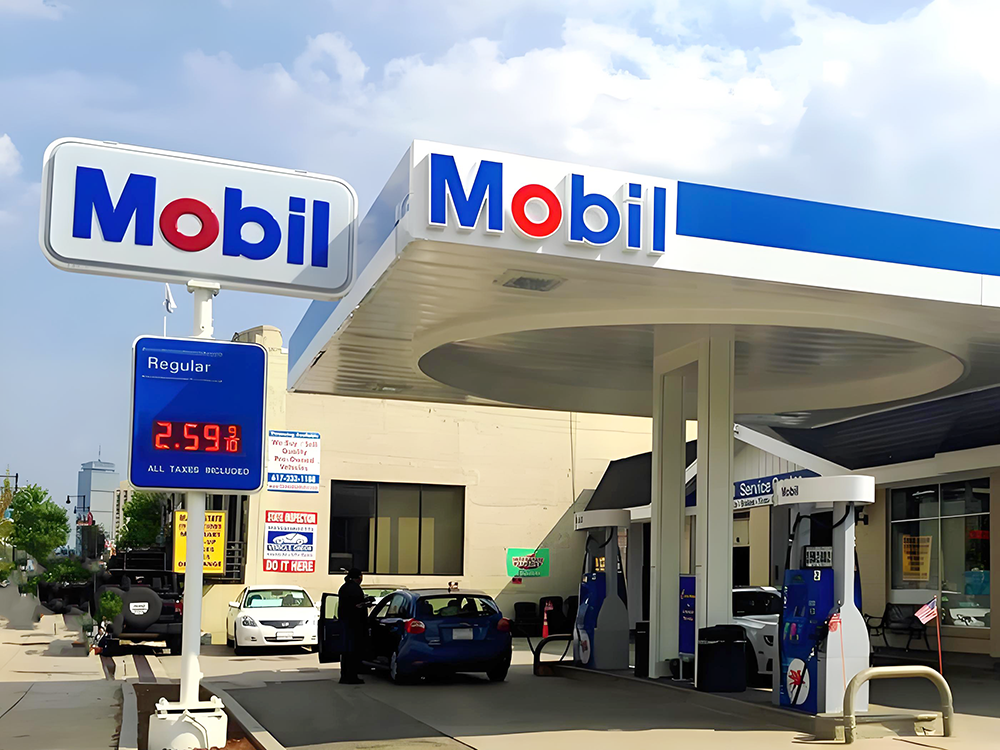
The very first sign at a petrol station entrance serves as the initial brand touchpoint that determines whether drivers will choose your facility over competitors. This crucial positioning creates the primary visual connection between your brand and potential customers, establishing trust and recognition within mere seconds of approach. The entrance sign functions as both a directional guide and a powerful branding statement that influences consumer decision-making at the critical moment when fuel choices are being made.

Strategic placement of your petrol station entrance sign creates immediate brand awareness and establishes the visual hierarchy that guides customer behavior throughout their entire visit. The entrance sign acts as the foundation for all subsequent branding elements within the station, setting expectations for service quality, pricing transparency, and overall customer experience. This positioning advantage becomes particularly valuable in high-traffic areas where split-second decisions determine customer acquisition and revenue generation.
Psychological Impact of First Impressions in Fuel Retail
Cognitive Processing Speed at Highway Entrances
The human brain processes visual information from a petrol station entrance sign within 150 milliseconds, making this the shortest window available for brand recognition and trust establishment. Drivers approaching fuel stations operate under time pressure and decision fatigue, particularly during long journeys or rush hour periods. The entrance sign must communicate brand reliability, pricing competitiveness, and service quality before conscious evaluation begins.
Research in consumer psychology demonstrates that initial visual impressions account for 78% of fuel purchasing decisions when multiple stations are visible simultaneously. The petrol station entrance sign serves as the primary differentiator when brand loyalty is low or when customers are unfamiliar with the geographic area. This psychological advantage compounds over time as repeated positive associations build stronger brand recognition patterns.
Trust Building Through Visual Consistency
Professional petrol station entrance sign design establishes immediate credibility through consistent brand application and quality visual presentation. Customers subconsciously associate well-maintained entrance signage with reliable fuel quality, competitive pricing, and superior customer service standards. The entrance sign communicates operational competence before customers interact with staff or evaluate facility cleanliness.
Brand trust indicators embedded within entrance signage include clear pricing displays, recognizable corporate logos, and consistent color schemes that match established brand guidelines. These elements work together to reduce customer anxiety about fuel quality and pricing transparency, encouraging immediate station selection over competitor alternatives. The entrance sign functions as a quality assurance promise that influences customer expectations throughout the entire service experience.
Strategic Positioning Advantages for Maximum Visibility
Traffic Flow Optimization and Approach Angles
Optimal petrol station entrance sign positioning considers vehicle approach speeds, sightline obstructions, and decision-making distances required for safe station entry. The entrance sign must be visible from sufficient distance to allow drivers to evaluate fuel prices, assess traffic conditions, and execute safe turning maneuvers without creating hazardous situations. Strategic placement typically requires positioning 100-150 feet before the actual station entrance to accommodate highway speeds.
Multiple approach angle considerations affect entrance sign effectiveness, including primary highway access, secondary road connections, and pedestrian visibility requirements. The petrol station entrance sign must maintain brand visibility from all relevant approach directions while complying with local zoning restrictions and safety regulations. Professional positioning analysis ensures maximum brand exposure without compromising traffic safety or regulatory compliance.
Competitive Differentiation in High-Density Markets
Dense fuel retail markets require entrance signage strategies that create immediate visual distinction from nearby competitors while maintaining brand recognition standards. The petrol station entrance sign becomes the primary tool for establishing market presence and attracting customers away from established competitor locations. Height, lighting, color contrast, and messaging hierarchy all contribute to competitive differentiation effectiveness.
Market research indicates that distinctive entrance signage increases customer traffic by 23-31% in markets with three or more competing fuel stations within one-mile radius. The entrance sign serves as the initial competitive advantage that drives customer acquisition costs down while improving revenue per customer through enhanced brand positioning. Strategic differentiation through entrance signage creates sustainable competitive advantages that compound over time through improved brand recognition and customer loyalty development.
Brand Messaging Hierarchy and Information Architecture
Primary Message Prioritization Systems
Effective petrol station entrance sign design prioritizes brand elements, pricing information, and service offerings according to customer decision-making patterns and visual processing capabilities. The primary brand logo must occupy the most prominent position to establish immediate recognition, followed by fuel pricing displays that address the primary purchase consideration. Secondary services and promotional messages occupy supporting positions within the overall visual hierarchy.
Information architecture studies demonstrate that entrance signage with clear message prioritization generates 34% higher customer conversion rates compared to signs with competing visual elements. The petrol station entrance sign must balance comprehensive information delivery with visual simplicity to avoid cognitive overload during rapid decision-making processes. Professional message hierarchy design ensures optimal information absorption while maintaining strong brand positioning.
Typography and Readability Considerations
Typography selection for petrol station entrance sign applications must account for reading distances, vehicle speeds, weather conditions, and lighting variations throughout daily operational cycles. Sans-serif typefaces typically provide superior readability at highway speeds, while high contrast color combinations ensure visibility during adverse weather conditions. Letter sizing calculations must accommodate the furthest practical reading distance while maintaining proportional balance within the overall sign design.
Professional typography standards for fuel retail signage specify minimum letter heights of 8-12 inches for primary brand elements and 4-6 inches for pricing information to ensure readability from 200-300 foot distances. The entrance sign typography must remain legible across varying lighting conditions, including dawn, dusk, and nighttime illumination scenarios. Consistent typography application across all brand touchpoints reinforces brand recognition and builds customer confidence in service quality standards.
Technology Integration and Digital Enhancement
LED Display Integration for Dynamic Messaging
Modern petrol station entrance sign technology incorporates LED display systems that enable real-time pricing updates, promotional messaging, and enhanced visibility during low-light conditions. Digital integration allows operators to respond immediately to competitive pricing changes, seasonal promotions, and supply chain fluctuations without requiring physical sign maintenance. LED technology provides superior brightness control and energy efficiency compared to traditional illumination methods.
Advanced digital petrol station entrance sign systems support remote management capabilities, allowing operators to update messaging across multiple locations simultaneously from centralized control systems. This technological advantage enables rapid response to market conditions, coordinated promotional campaigns, and consistent brand messaging implementation across franchise networks. Digital enhancement creates operational efficiencies while improving customer communication effectiveness.
Smart Connectivity and Data Collection
Intelligent entrance signage systems collect valuable customer behavior data through integrated sensors that monitor traffic patterns, dwell times, and conversion rates. This data enables operators to optimize pricing strategies, evaluate promotional effectiveness, and identify peak traffic periods for staffing optimization. Smart petrol station entrance sign technology creates competitive intelligence that supports strategic business decision-making processes.
Connected signage platforms enable predictive analytics that anticipate customer demand patterns, optimize inventory management, and identify maintenance requirements before system failures occur. Data-driven entrance sign optimization improves operational efficiency while enhancing customer experience through reduced wait times and improved service availability. Technology integration transforms entrance signage from static branding tools into dynamic business intelligence platforms.
Return on Investment and Performance Measurement
Customer Acquisition Cost Analysis
Professional petrol station entrance sign implementation generates measurable returns through reduced customer acquisition costs, increased transaction frequency, and improved average sale values. Industry analysis indicates that optimized entrance signage reduces customer acquisition costs by 18-25% compared to basic signage approaches through improved conversion rates and enhanced brand recognition. Strategic entrance sign investment creates sustainable competitive advantages that compound over multi-year operational periods.
Customer acquisition metrics demonstrate that effective entrance signage increases new customer trial rates by 41% while improving customer retention through enhanced brand association and trust development. The petrol station entrance sign functions as a continuous marketing asset that generates returns without ongoing advertising costs or promotional expenses. Long-term performance analysis confirms that entrance signage investment pays for itself through increased revenue generation within 14-18 months of implementation.
Brand Equity Development and Market Position
Strategic entrance signage contributes to overall brand equity development through consistent brand application, professional market presentation, and enhanced customer experience delivery. Brand equity improvements translate directly into pricing flexibility, customer loyalty development, and competitive resilience during market downturns. The petrol station entrance sign serves as a foundational element in comprehensive brand development strategies that create long-term business value.
Market positioning advantages gained through professional entrance signage include improved local market recognition, enhanced corporate image, and stronger competitive differentiation compared to budget signage approaches. Brand equity development through entrance signage creates intangible business assets that support premium pricing strategies and improve business valuation multiples. Strategic signage investment contributes to overall business development objectives while generating immediate operational benefits.
FAQ
How does entrance sign placement affect customer decision-making at petrol stations?
Entrance sign placement directly influences customer decision-making by providing critical information during the brief window when drivers evaluate fuel station options. Optimal placement ensures visibility from appropriate distances while allowing sufficient time for safe station entry decisions. The petrol station entrance sign must be positioned to capture attention without creating traffic safety hazards or violating local zoning regulations.
What are the key design elements that make a petrol station entrance sign effective?
Effective petrol station entrance sign design incorporates clear brand hierarchy, legible typography, appropriate sizing for viewing distances, and weather-resistant materials that maintain appearance over time. Color contrast, lighting integration, and message prioritization all contribute to sign effectiveness. Professional design ensures optimal visibility while maintaining consistency with overall brand guidelines and local regulatory requirements.
How do digital displays enhance petrol station entrance sign effectiveness?
Digital displays enhance entrance sign effectiveness by enabling real-time pricing updates, promotional messaging flexibility, and improved visibility during various lighting conditions. LED technology provides energy efficiency and remote management capabilities that reduce operational costs while improving customer communication. Digital enhancement allows operators to respond quickly to competitive changes and market conditions.
What return on investment can be expected from professional entrance signage?
Professional petrol station entrance sign implementation typically generates positive return on investment within 14-18 months through increased customer traffic, improved conversion rates, and reduced customer acquisition costs. Long-term benefits include enhanced brand recognition, competitive positioning advantages, and improved business valuation. Strategic signage investment creates sustainable competitive advantages that continue generating returns throughout the operational lifecycle.
Table of Contents
- Psychological Impact of First Impressions in Fuel Retail
- Strategic Positioning Advantages for Maximum Visibility
- Brand Messaging Hierarchy and Information Architecture
- Technology Integration and Digital Enhancement
- Return on Investment and Performance Measurement
-
FAQ
- How does entrance sign placement affect customer decision-making at petrol stations?
- What are the key design elements that make a petrol station entrance sign effective?
- How do digital displays enhance petrol station entrance sign effectiveness?
- What return on investment can be expected from professional entrance signage?