
 EN
EN
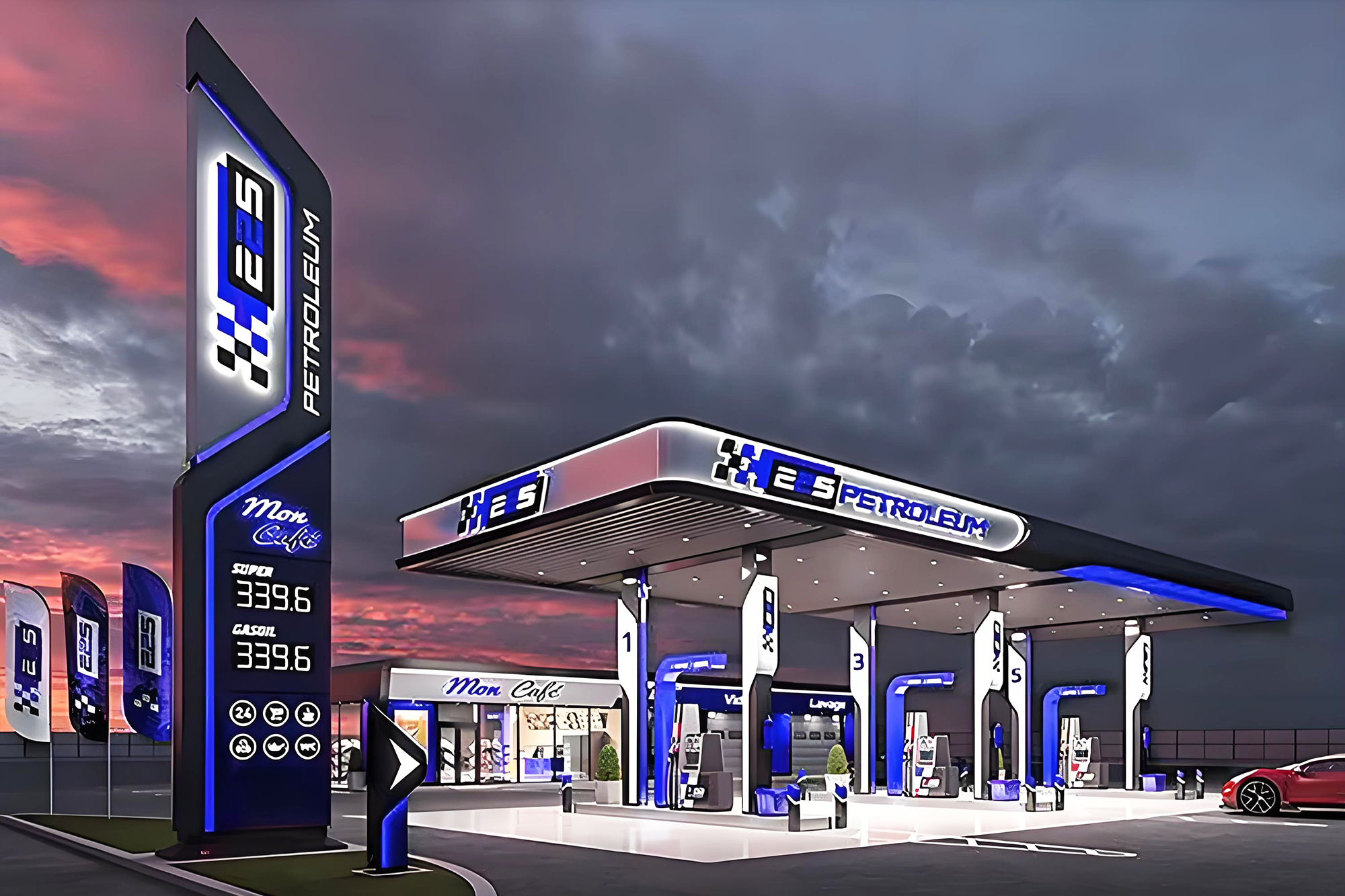
Petrol station owners frequently face a critical operational dilemma when considering canopy upgrades: can they maintain continuous fuel pump operations during refurbishment work? The answer is definitively yes, through careful planning and specialized petrol canopy refurbishment techniques. Modern refurbishment approaches allow stations to maintain revenue streams while upgrading their canopy infrastructure, lighting systems, and signage without forcing complete operational shutdowns.
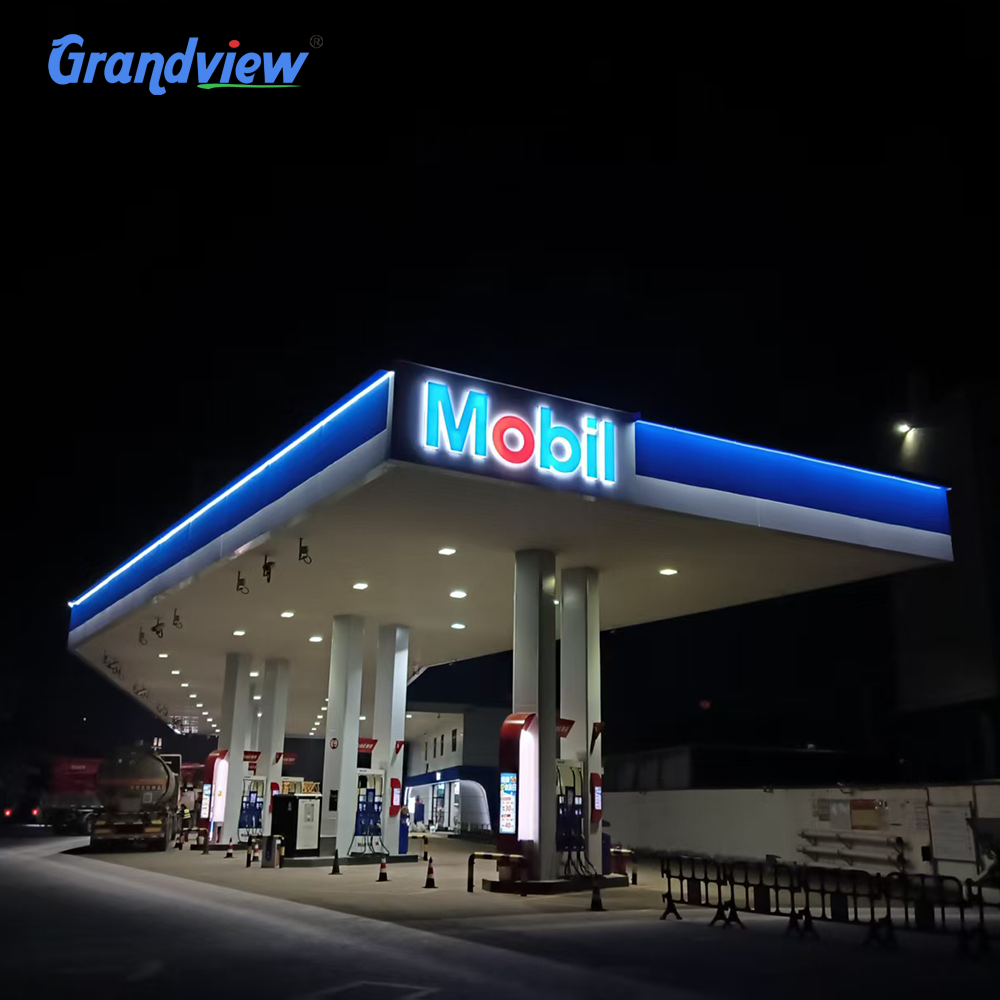
The key to successful petrol canopy refurbishment lies in understanding the technical requirements, safety protocols, and operational strategies that enable partial shutdown approaches. This specialized refurbishment process requires coordination between structural engineers, electrical contractors, and safety compliance officers to ensure uninterrupted fuel dispensing while systematically upgrading canopy components. Station operators can implement phased refurbishment schedules that maintain essential services while transforming their facilities into modern, attractive retail destinations.
Technical Feasibility of Continuous Operation During Petrol Canopy Refurbishment
Structural Assessment and Load Distribution Analysis
Before initiating any petrol canopy refurbishment project, structural engineers must conduct comprehensive load analysis to determine which canopy sections can undergo modification while maintaining operational safety. The assessment identifies critical support elements that must remain untouched during active fuel dispensing periods. Modern canopy designs typically feature modular construction that allows targeted refurbishment of specific zones without compromising overall structural integrity.
Professional petrol canopy refurbishment teams utilize advanced engineering software to model stress distribution patterns across existing frameworks. This analysis reveals which canopy segments can be safely isolated for renovation work while fuel pumps continue operating underneath adjacent sections. The structural evaluation also identifies opportunities for reinforcement upgrades that enhance long-term durability without requiring complete operational cessation.
Critical infrastructure components such as electrical conduits, drainage systems, and support columns require careful evaluation to ensure refurbishment activities don't compromise essential utilities. Engineers create detailed work sequences that prioritize non-critical modifications during peak operational hours while scheduling essential upgrades during natural low-traffic periods or planned maintenance windows.
Electrical System Isolation and Backup Power Solutions
Electrical infrastructure represents the most complex aspect of petrol canopy refurbishment because fuel dispensing systems require continuous power supply for safety monitoring and transaction processing. Successful refurbishment projects implement temporary electrical distribution systems that maintain critical circuits while allowing lighting, signage, and non-essential systems to undergo upgrading.
Modern petrol canopy refurbishment approaches utilize modular electrical panels that enable selective circuit isolation. Contractors install temporary bypass systems that reroute power around renovation zones while maintaining full electrical service to active fuel dispensers. This approach allows LED lighting upgrades, new digital signage installation, and enhanced electrical capacity improvements without interrupting fuel pump operations.
Backup generator systems provide additional security during electrical refurbishment phases, ensuring continuous power supply even if main electrical work requires temporary disconnection. Professional refurbishment teams coordinate with utility companies to establish temporary service connections that support both ongoing operations and construction power requirements simultaneously.
Safety Protocols and Risk Management During Active Refurbishment
Fire Safety and Hazardous Area Management
Fire safety considerations dominate every aspect of petrol canopy refurbishment planning because active fuel dispensing creates continuous ignition risk zones. Professional refurbishment contractors implement comprehensive hot work permits, continuous atmospheric monitoring, and specialized fire suppression equipment specifically designed for petroleum environments. These safety protocols enable welding, cutting, and electrical work while maintaining acceptable risk levels around active fuel operations.
Temporary fire suppression systems supplement existing canopy fire protection during refurbishment activities. Contractors deploy portable foam systems, specialized fire extinguishing equipment, and additional emergency response personnel to monitor work zones continuously. petrol canopy refurbishment projects require certified fire watch personnel who maintain constant surveillance of all hot work activities and ensure immediate response capability for any emergency situations.
Atmospheric monitoring equipment continuously measures vapor concentrations around active work areas, providing real-time feedback about safe working conditions. Professional refurbishment teams establish evacuation procedures, emergency communication systems, and coordination protocols with local fire departments to ensure rapid response capability throughout the renovation process.
Traffic Flow Management and Customer Safety
Maintaining customer access and safety during petrol canopy refurbishment requires sophisticated traffic management strategies that accommodate both construction activities and normal station operations. Professional contractors implement temporary traffic control systems, clearly marked pedestrian pathways, and protective barriers that separate work zones from active customer areas.
Refurbishment projects utilize overhead protection systems that shield customers and vehicles from construction debris while allowing normal fuel dispensing activities. These temporary structures maintain weather protection during canopy modifications and prevent construction materials from creating hazards in customer service areas. Strategic scheduling ensures heavy construction activities occur during low-traffic periods while cosmetic improvements proceed during normal operating hours.
Customer communication systems inform drivers about ongoing improvements while directing traffic flow around active construction zones. Digital messaging boards, temporary signage, and staff coordination ensure customers understand which fuel pumps remain available and how to safely navigate the refurbishment area without disrupting their normal fueling experience.
Phased Implementation Strategies for Continuous Operation
Zone-Based Refurbishment Scheduling
Successful petrol canopy refurbishment projects implement systematic zone-based approaches that divide canopy areas into manageable sections for sequential renovation. This methodology allows station operators to maintain partial operations while systematically upgrading each canopy zone according to predetermined schedules. Professional contractors develop detailed phasing plans that prioritize essential improvements while minimizing operational disruption.
Zone-based petrol canopy refurbishment typically begins with perimeter sections that have minimal impact on core fuel dispensing areas. Contractors complete lighting upgrades, signage installation, and structural improvements in outer zones while inner fuel dispensing areas remain fully operational. This approach allows stations to showcase refurbishment progress to customers while maintaining essential revenue generation capabilities.
Advanced scheduling software enables contractors to coordinate multiple work crews across different canopy zones simultaneously. This parallel processing approach accelerates overall project completion while ensuring each zone meets quality standards before transitioning to operational status. Contractors establish clear handover procedures that verify safety compliance and operational readiness before releasing refurbished zones for customer use.
Utility Integration and Service Continuity
Utility system integration represents a critical success factor in petrol canopy refurbishment projects because fuel dispensers require continuous electrical power, data connectivity, and environmental monitoring throughout the renovation process. Professional contractors implement redundant utility systems that ensure service continuity even when primary infrastructure undergoes modification or upgrading.
Modern refurbishment approaches utilize temporary utility distribution networks that bypass construction zones while maintaining full service to operational areas. These systems include backup electrical circuits, temporary data networks, and redundant environmental monitoring that supports ongoing fuel dispensing operations regardless of refurbishment activities in adjacent canopy sections.
Contractors coordinate utility upgrades with ongoing operations by implementing staged cutover procedures that minimize service interruption windows. This approach allows stations to benefit from improved electrical capacity, enhanced data connectivity, and upgraded environmental systems without experiencing extended operational downtime that impacts revenue generation or customer satisfaction.
Cost-Benefit Analysis and Business Impact Considerations
Revenue Protection During Refurbishment Periods
Maintaining operational capacity during petrol canopy refurbishment provides significant financial advantages compared to complete shutdown approaches. Station owners typically retain 70-80% of normal fuel sales volumes throughout refurbishment periods, depending on the scope of work and number of fuel dispensers that remain operational. This revenue protection offsets increased construction costs associated with maintaining operations during renovation activities.
Professional petrol canopy refurbishment contractors provide detailed cost-benefit analyses that compare operational continuation approaches with traditional shutdown methodologies. These analyses demonstrate how maintaining partial operations during refurbishment generates sufficient additional revenue to justify specialized construction techniques, extended project timelines, and enhanced safety protocols required for concurrent operations.
Customer retention benefits extend beyond immediate revenue protection because stations that maintain service during improvements demonstrate commitment to customer convenience. This operational continuity prevents customers from establishing alternative fueling habits that might persist after refurbishment completion, protecting long-term market share and customer loyalty relationships.
Long-Term Infrastructure Value Enhancement
Modern petrol canopy refurbishment delivers substantial long-term value through improved energy efficiency, enhanced customer attraction, and reduced maintenance requirements. LED lighting systems typically reduce electrical consumption by 60-70% while providing superior illumination quality that enhances safety and brand visibility. These efficiency improvements generate ongoing operational savings that justify refurbishment investments.
Upgraded canopy structures provide enhanced weather protection, improved structural durability, and modernized aesthetic appeal that differentiates stations in competitive retail fuel markets. Professional refurbishment projects incorporate architectural improvements that enhance brand recognition while providing superior customer experience through improved lighting, weather protection, and visual appeal.
Technology integration opportunities during petrol canopy refurbishment include digital signage systems, enhanced security monitoring, and smart lighting controls that provide operational flexibility and marketing capabilities. These technological enhancements create additional revenue opportunities through advertising partnerships while reducing long-term operational costs through automated systems and remote monitoring capabilities.
FAQ
How long does typical petrol canopy refurbishment take while maintaining operations?
Petrol canopy refurbishment projects that maintain continuous operations typically require 4-8 weeks depending on scope and complexity. Zone-based approaches allow stations to complete upgrades systematically while ensuring minimal disruption to daily operations. Professional contractors provide detailed timeline estimates based on specific canopy configurations and refurbishment requirements.
What safety certifications are required for contractors performing petrol canopy refurbishment?
Contractors must possess specialized petroleum facility construction certifications, hazardous area electrical qualifications, and fire safety training specific to fuel dispensing environments. Additionally, all personnel require current safety training in vapor monitoring, emergency response procedures, and fuel facility operations to ensure compliance with industry safety standards.
Can all types of canopy improvements be completed without shutting down fuel pumps?
Most petrol canopy refurbishment activities can proceed with partial operations, including lighting upgrades, signage installation, structural reinforcement, and electrical improvements. However, major structural modifications affecting primary support columns or complete electrical system replacements may require brief operational interruptions for specific fuel dispensing zones during critical installation phases.
What factors determine whether continuous operation during refurbishment is feasible?
Feasibility depends on existing canopy design, structural condition, electrical system configuration, and refurbishment scope. Professional engineering assessments evaluate these factors to determine optimal refurbishment strategies that balance operational continuity requirements with safety compliance and project cost considerations for each specific facility.
Table of Contents
- Technical Feasibility of Continuous Operation During Petrol Canopy Refurbishment
- Safety Protocols and Risk Management During Active Refurbishment
- Phased Implementation Strategies for Continuous Operation
- Cost-Benefit Analysis and Business Impact Considerations
-
FAQ
- How long does typical petrol canopy refurbishment take while maintaining operations?
- What safety certifications are required for contractors performing petrol canopy refurbishment?
- Can all types of canopy improvements be completed without shutting down fuel pumps?
- What factors determine whether continuous operation during refurbishment is feasible?