
 EN
EN
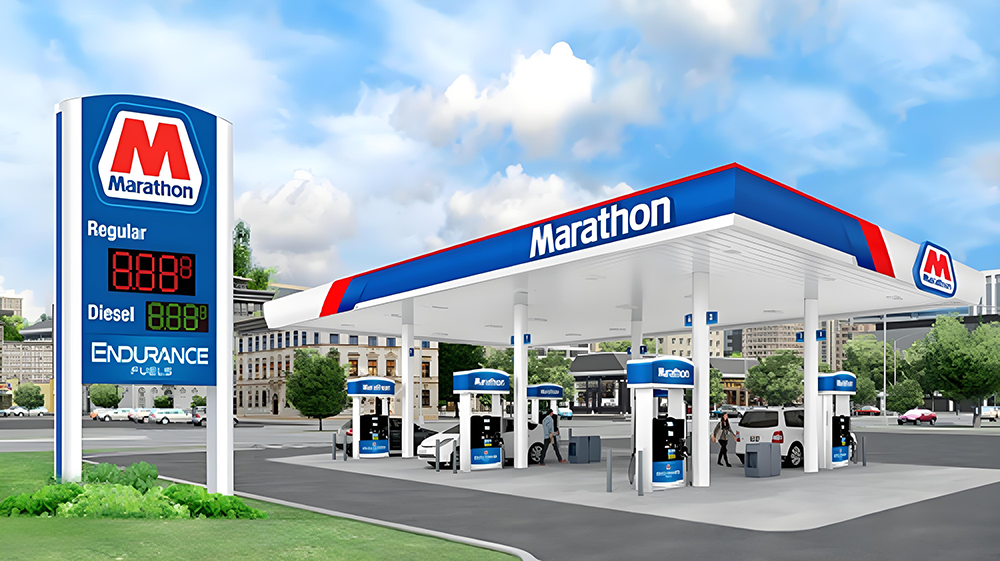
The iconic green-and-white color scheme that dominates petrol stations worldwide has become so ubiquitous that most drivers rarely question its origins or standardization. This distinctive visual identity appears across continents, from bustling urban centers to remote highway stops, creating an almost universal language for fuel retail locations. While this consistency might suggest an official global standard governing petrol station signage, the reality behind this widespread adoption reveals a fascinating blend of practical considerations, regulatory influences, and industry tradition rather than a singular mandated specification.
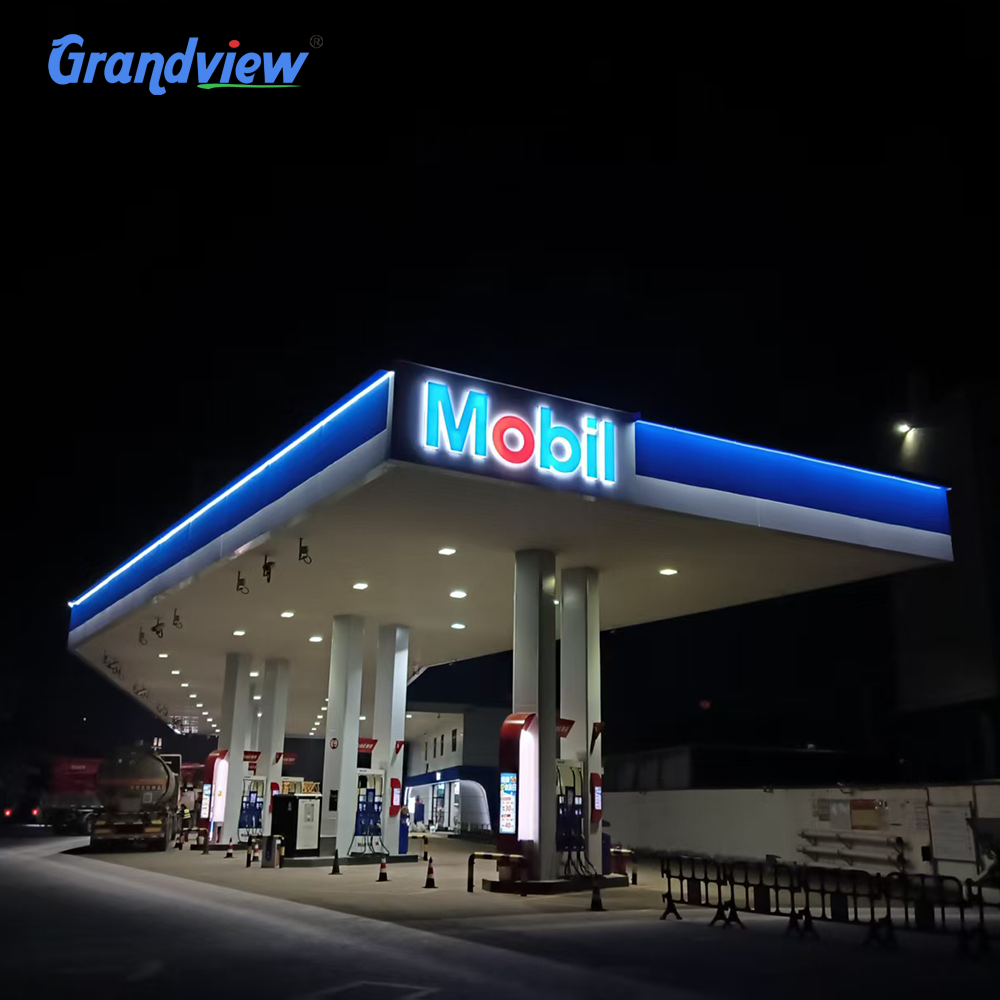
The prevalence of green-and-white petrol station signage represents a complex interplay between regulatory frameworks, safety requirements, psychological factors, and commercial branding strategies that have evolved over decades. Understanding whether this color combination constitutes a true global standard or merely reflects entrenched industry tradition requires examining the various forces that have shaped fuel retail identification systems across different markets and regulatory environments.
Regulatory Foundations Behind Petrol Station Color Schemes
National Safety Standards and Color Psychology
Many countries have established specific regulations governing fuel retail identification that indirectly influence color choices for petrol station signage. These regulations typically focus on visibility requirements, safety considerations, and public recognition factors rather than mandating exact color specifications. Green has historically been associated with safety and environmental consciousness in many regulatory contexts, while white provides the high contrast necessary for optimal visibility under various lighting conditions.
Safety agencies worldwide recognize that consistent visual identification systems reduce driver confusion and improve traffic flow around fuel facilities. The green-and-white combination offers excellent visibility during both daylight and nighttime hours, meeting the practical requirements established by transportation safety authorities. This functional advantage has reinforced the adoption of these colors across different regulatory jurisdictions, creating apparent standardization through convergent practical solutions.
Psychological research has demonstrated that green conveys associations with reliability, environmental responsibility, and trustworthiness - qualities that fuel retailers want to project to consumers. The regulatory acceptance of green in safety contexts has provided additional validation for its use in petrol station signage, creating a self-reinforcing cycle where practical benefits align with psychological preferences.
International Standards Organizations and Fuel Retail Guidelines
While no single international standard mandates the green-and-white color scheme for all petrol station signage, various industry organizations have developed guidelines that influence global practices. The International Organization for Standardization has established specifications for fuel quality identification and safety signage that indirectly support consistent visual approaches across different markets.
Regional standards bodies often reference successful implementations from other jurisdictions when developing their own requirements, leading to a form of informal standardization through best practice adoption. This process has contributed to the global prevalence of green-and-white signage without requiring explicit coordination between different regulatory authorities.
Industry associations representing fuel retailers have also promoted consistent visual identification systems as a means of improving operational efficiency and customer recognition. These voluntary guidelines often recommend color combinations that have proven effective in established markets, further reinforcing the dominance of green-and-white petrol station signage across different regions.
Historical Evolution of Fuel Station Visual Identity
Early Petroleum Industry Branding Patterns
The historical development of fuel retail visual identity reveals how practical considerations and early branding decisions shaped what would eventually become widespread conventions for petrol station signage. During the early decades of automotive fuel distribution, major petroleum companies established distinctive color schemes primarily for competitive differentiation rather than standardization purposes.
Several influential petroleum brands adopted variations of green in their corporate identity systems during the mid-twentieth century, often combining it with white or cream accents for enhanced visibility and professional appearance. These early branding decisions were based on practical factors such as paint availability, durability under outdoor conditions, and effectiveness in attracting motorist attention from highway distances.
The success of early green-and-white branding systems influenced subsequent market entrants and independent operators who recognized the consumer recognition benefits of adopting similar visual approaches. This market-driven convergence created apparent standardization without formal regulatory mandates, demonstrating how successful design solutions can become industry conventions through competitive imitation and customer familiarity.
Global Market Expansion and Color Convention Spread
As petroleum companies expanded internationally throughout the latter half of the twentieth century, they typically maintained their established corporate color schemes across different markets. This practice helped create global recognition for their brands while simultaneously spreading specific petrol station signage conventions to regions where local operators began adopting similar approaches.
Independent fuel retailers in emerging markets often adopted color schemes that resembled those of established international brands, recognizing that familiar visual cues could enhance customer confidence and operational credibility. This imitative adoption pattern accelerated the global spread of green-and-white signage conventions without requiring formal standardization processes.
The expansion of international petroleum companies also brought consistent design standards and operational practices to diverse markets, creating practical templates for effective petrol station signage that local operators could adapt for their own facilities. This diffusion process contributed significantly to the apparent global standardization of fuel retail visual identity systems.
Technical Requirements Driving Color Standardization
Visibility and Safety Performance Standards
Technical requirements for visibility and safety performance have played a crucial role in establishing the dominance of green-and-white petrol station signage across different markets and regulatory environments. These requirements typically specify minimum contrast ratios, reflectivity standards, and illumination effectiveness that effectively constrain color choices to combinations that meet measurable performance criteria.
Engineering studies have consistently demonstrated that green-and-white color combinations provide superior visibility under various atmospheric conditions, including fog, rain, and low-light situations common in fuel retail environments. This technical superiority has influenced regulatory acceptance and commercial adoption, creating convergent selection pressures that favor this specific color combination over alternatives.
Safety engineering considerations also support the use of green in fuel retail applications because it does not conflict with standard traffic signal colors or emergency vehicle lighting systems. This compatibility with existing transportation safety infrastructure has made green-and-white petrol station signage more acceptable to traffic management authorities across different jurisdictions.
Durability and Maintenance Considerations
The practical requirements of maintaining outdoor signage under various weather conditions have also influenced the prevalence of specific color choices in fuel retail applications. Green and white pigments generally offer superior fade resistance and weather durability compared to many alternative color combinations, reducing long-term maintenance costs and preserving visual effectiveness over extended service periods.
Commercial petrol station signage systems must withstand exposure to automotive exhaust, road salt, ultraviolet radiation, and temperature extremes while maintaining acceptable appearance and legibility standards. The chemical stability and optical properties of green-and-white color systems have proven particularly well-suited to these demanding environmental conditions.
Manufacturing considerations have also supported the adoption of standardized color schemes because they allow signage suppliers to achieve economies of scale in material procurement and production processes. This commercial efficiency has made green-and-white options more cost-effective for fuel retailers, creating additional incentives for widespread adoption beyond purely aesthetic or regulatory considerations.
Regional Variations and Cultural Adaptations
Local Regulatory Modifications and Exceptions
Despite the apparent global standardization of green-and-white petrol station signage, significant regional variations exist where local regulations, cultural preferences, or market conditions have led to different color conventions. Some jurisdictions have established specific requirements that mandate alternative color schemes or prohibit certain combinations that might conflict with other infrastructure systems.
Certain markets have developed unique identification systems for different fuel types or service categories that require alternative color coding approaches. These variations demonstrate that apparent global standardization coexists with significant local adaptations based on specific regulatory or market requirements that override general industry conventions.
Environmental regulations in some regions have influenced signage requirements in ways that affect color choices and design approaches for petrol station signage. These requirements may specify materials, lighting systems, or visual impact limitations that indirectly influence the practical implementation of color schemes even when general conventions remain applicable.
Cultural Factors Influencing Visual Identity Choices
Cultural associations with specific colors can significantly influence the effectiveness and acceptance of fuel retail visual identity systems in different markets. While green generally carries positive associations across many cultures, the specific combinations and applications that work effectively can vary based on local aesthetic preferences and symbolic interpretations.
Market research in various regions has revealed that consumer responses to petrol station signage can be influenced by cultural factors that extend beyond purely functional considerations. These insights have led some operators to modify standard color schemes or develop region-specific variations that maintain core recognition benefits while adapting to local preferences.
The balance between global consistency and local adaptation continues to evolve as fuel retail markets mature and consumer expectations become more sophisticated. This evolution suggests that apparent standardization may become more nuanced over time, with core conventions maintained while allowing for increased regional customization.
Commercial Drivers Behind Apparent Standardization
Brand Recognition and Consumer Psychology Benefits
The commercial advantages of consistent visual identity systems have been a primary driver behind the widespread adoption of green-and-white petrol station signage across different markets and operator categories. Brand recognition research consistently demonstrates that familiar color combinations reduce consumer decision time and increase confidence in service selection, particularly in unfamiliar locations.
Independent operators have recognized that adopting color schemes similar to established brands can transfer some of the psychological benefits associated with those brands to their own facilities. This strategic imitation has accelerated the spread of standard color conventions while providing commercial benefits to operators who might otherwise struggle to establish distinctive brand recognition.
Consumer psychology research has revealed that consistent petrol station signage conventions reduce cognitive load for drivers making fuel purchase decisions, particularly during long-distance travel when familiarity becomes especially valuable. This psychological advantage has created market incentives for maintaining consistency even when formal standardization requirements do not exist.
Supply Chain Efficiencies and Cost Optimization
The supply chain benefits of standardized signage systems have created additional commercial incentives for maintaining consistent color conventions across the fuel retail industry. Signage manufacturers can achieve significant economies of scale when producing standardized products rather than custom variations for each operator or market.
Installation and maintenance services also benefit from standardization because technicians can develop specialized expertise in common petrol station signage systems rather than adapting to unique requirements for each customer. This specialization reduces service costs and improves quality consistency, creating additional value for operators who adopt standard approaches.
Replacement part availability and compatibility represent additional cost factors that favor standardized signage systems over custom alternatives. The commercial advantages of standardization have thus created market forces that reinforce apparent global conventions even without formal regulatory mandates requiring specific color choices.
FAQ
Is there an official international standard that requires green-and-white petrol station signs?
No, there is no single international standard that mandates green-and-white colors for all petrol station signage. The widespread adoption of this color scheme results from a combination of practical benefits, safety considerations, commercial advantages, and industry tradition rather than formal regulatory requirements.
Why do most countries use similar colors for fuel station identification?
Countries use similar colors because green-and-white combinations offer superior visibility, safety benefits, and psychological associations that work effectively across different cultural contexts. The apparent standardization results from convergent selection of practical solutions rather than coordinated international agreements requiring specific color choices.
Can fuel retailers legally use different colors for their station signage?
In most jurisdictions, fuel retailers can legally use different colors for their signage as long as they meet local safety and visibility requirements. However, many operators choose conventional color schemes because they provide commercial advantages through consumer recognition and supply chain efficiencies that alternative approaches cannot easily match.
Do safety regulations actually specify green and white for petrol stations?
Most safety regulations specify performance requirements for visibility, contrast, and durability rather than mandating specific colors. Green-and-white combinations have become dominant because they consistently meet these performance standards while providing additional benefits for brand recognition and operational efficiency that make them attractive commercial choices.
Table of Contents
- Regulatory Foundations Behind Petrol Station Color Schemes
- Historical Evolution of Fuel Station Visual Identity
- Technical Requirements Driving Color Standardization
- Regional Variations and Cultural Adaptations
- Commercial Drivers Behind Apparent Standardization
-
FAQ
- Is there an official international standard that requires green-and-white petrol station signs?
- Why do most countries use similar colors for fuel station identification?
- Can fuel retailers legally use different colors for their station signage?
- Do safety regulations actually specify green and white for petrol stations?