
 EN
EN
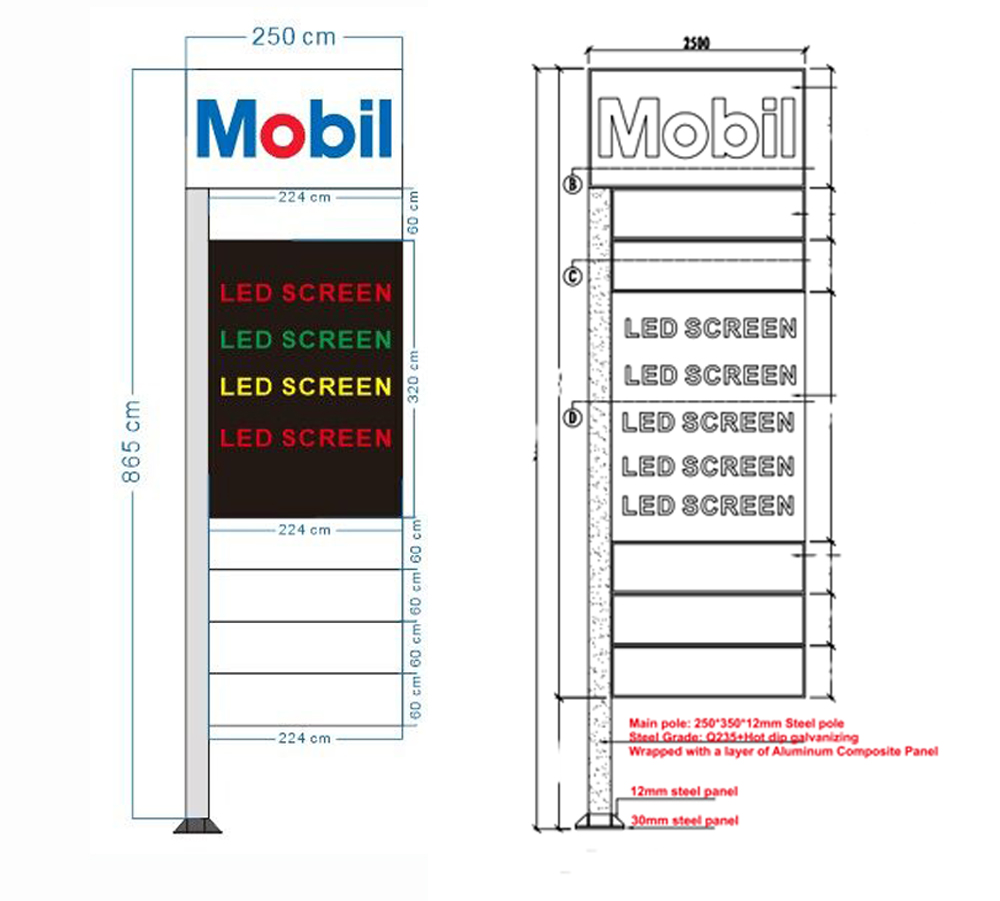
Weather conditions can make or break the performance of any outdoor sign, especially when it comes to LED price displays used at gas stations and retail locations. While some signs maintain crystal clear visibility even during heavy rainfall, others develop frustrating fog and condensation that obscures pricing information just when customers need it most. Understanding the engineering differences behind weather-resistant outdoor sign technology can help business owners make smarter purchasing decisions and avoid costly operational disruptions.
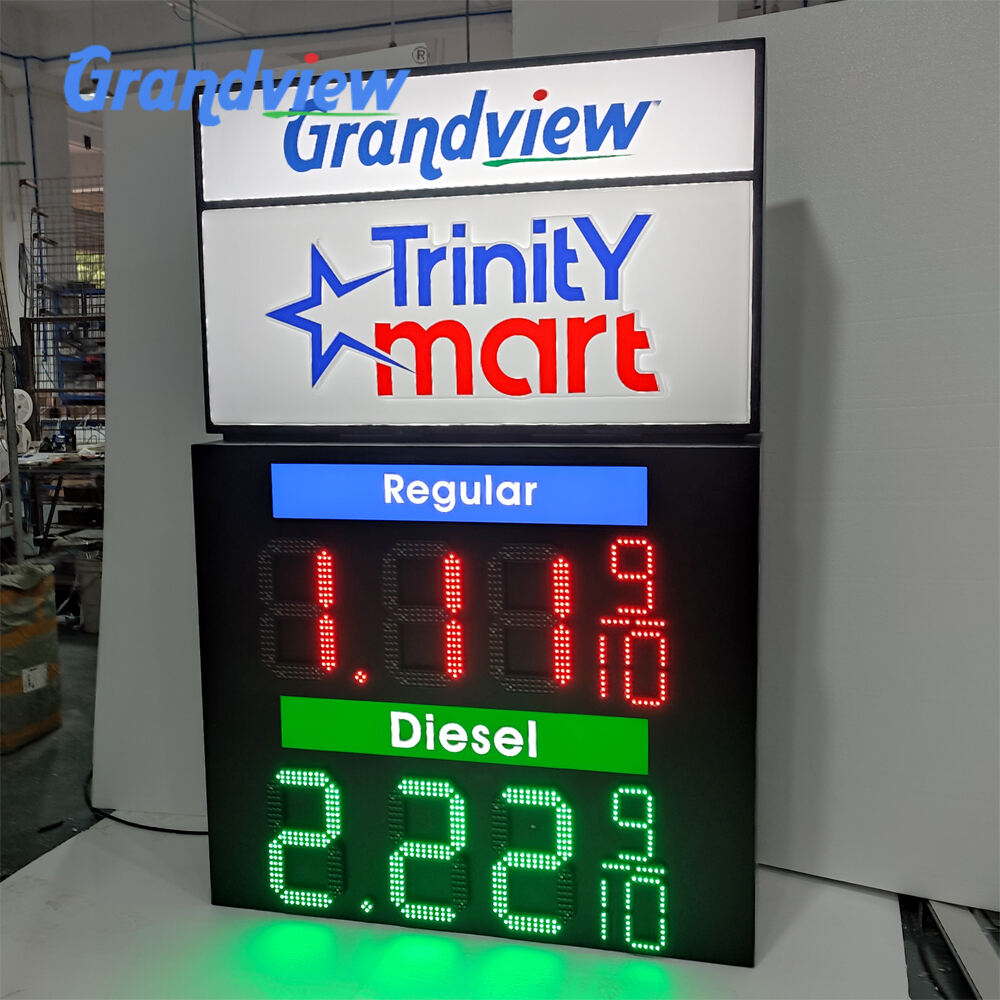
The Science Behind Condensation in LED Display Systems
Temperature Differential Effects
Condensation occurs when warm, moisture-laden air encounters a cooler surface, causing water vapor to transform into liquid droplets. In LED price displays, this phenomenon becomes particularly problematic when internal heat from electronic components creates temperature variations across the display housing. High-quality outdoor sign manufacturers address this challenge through advanced thermal management systems that maintain consistent temperatures throughout the enclosure.
The physics of condensation in digital displays involves complex interactions between ambient humidity, surface temperatures, and air circulation patterns. When LED modules generate heat during operation, they create convection currents within the display housing. If the front panel remains significantly cooler than the internal air temperature, moisture will inevitably condense on the viewing surface, creating the foggy appearance that renders pricing information illegible.
Moisture Ingress Prevention Methods
Professional-grade LED price displays incorporate multiple moisture barrier technologies to prevent water infiltration. These systems typically include gasket-sealed joints, pressure-equalization vents, and conformal coatings on electronic components. The most effective designs utilize Gore-Tex or similar breathable membrane technologies that allow air pressure equalization while maintaining a moisture-proof seal.
Advanced enclosure designs feature drainage channels and weep holes strategically positioned to redirect any moisture that does penetrate the primary seals. These secondary protection measures ensure that even minor seal failures do not result in internal condensation or component damage. Regular maintenance protocols should include inspection of these drainage systems to maintain optimal performance throughout the display's operational life.
Material Engineering and Weather Resistance
Polycarbonate vs Acrylic Face Panels
The choice of face panel material significantly impacts an outdoor sign's resistance to condensation and weather-related visibility issues. Polycarbonate panels offer superior thermal conductivity compared to acrylic alternatives, helping to minimize temperature differentials that contribute to condensation formation. Additionally, polycarbonate's inherent flexibility allows for better seal integrity during thermal expansion and contraction cycles.
Acrylic face panels, while offering excellent optical clarity, can become problematic in humid environments due to their lower thermal conductivity and tendency to develop static charges that attract dust and moisture. Premium outdoor displays often incorporate anti-fog coatings or treatments on acrylic surfaces to mitigate these issues, though these coatings require periodic renewal to maintain effectiveness.
Aluminum Extrusion Housing Benefits
Aluminum housing systems provide excellent heat dissipation properties that help maintain uniform temperatures throughout the display enclosure. The thermal conductivity of aluminum allows internal heat to dissipate efficiently, reducing the likelihood of hot spots that create condensation-prone temperature gradients. Quality aluminum extrusions also offer superior dimensional stability compared to plastic alternatives, maintaining seal integrity over extended periods.
The corrosion resistance of properly anodized aluminum ensures long-term structural integrity in harsh weather conditions. This durability translates to maintained seal performance and continued condensation prevention throughout the display's operational lifetime. Many premium manufacturers specify marine-grade aluminum alloys that exceed standard outdoor exposure requirements for enhanced longevity.
Electronic Component Protection Strategies
Circuit Board Conformal Coating Applications
Conformal coatings serve as the first line of defense against moisture-related failures in LED driver circuits and control electronics. These specialized polymer coatings create a protective barrier that prevents corrosion and short circuits even when condensation occurs within the display housing. Silicone-based coatings offer excellent flexibility and temperature stability, making them ideal for automotive and outdoor sign applications.
Application of conformal coatings requires precise control of thickness and coverage to ensure optimal protection without interfering with component heat dissipation. Automated coating processes using selective spray or dip methods provide consistent coverage while maintaining production efficiency. Quality control measures include electrical testing and visual inspection to verify coating integrity before final assembly.
Power Supply Thermal Management
LED driver power supplies generate significant heat during operation, making them primary contributors to internal temperature variations that promote condensation. Advanced thermal management designs incorporate heat sinks, thermal interface materials, and forced air circulation to maintain optimal operating temperatures. Some high-end systems utilize thermostatically controlled fans that activate only when necessary, minimizing power consumption while providing effective cooling.
Power supply placement within the display housing requires careful consideration of airflow patterns and thermal isolation from other components. Strategic positioning away from the viewing area helps minimize temperature differentials across the front panel while ensuring adequate ventilation for reliable operation. Redundant power supply designs offer additional benefits by reducing thermal stress on individual components.
Environmental Sealing Technologies
IP Rating Classifications Explained
The Ingress Protection rating system provides standardized measures of an enclosure's resistance to dust and water penetration. For outdoor sign applications, minimum IP65 ratings ensure adequate protection against water jets and dust accumulation. Premium displays often achieve IP66 or IP67 ratings, providing protection against high-pressure water exposure and temporary submersion conditions.
Understanding IP rating test conditions helps specifiers select appropriate protection levels for specific installation environments. Coastal installations may require higher ratings due to salt spray exposure, while inland locations might prioritize dust protection over water resistance. Regular testing and certification renewal ensure continued compliance with specified protection levels throughout the product lifecycle.
Gasket Material Selection Criteria
Elastomeric gasket materials must withstand continuous exposure to UV radiation, ozone, and temperature extremes while maintaining seal integrity. EPDM rubber gaskets offer excellent weather resistance and ozone stability, making them preferred choices for long-term outdoor applications. Silicone gaskets provide superior temperature stability but may require more frequent replacement in high-ozone environments.
Gasket compression and installation techniques significantly impact seal performance and longevity. Over-compression can lead to premature material failure, while under-compression allows moisture infiltration. Proper installation procedures include torque specifications and compression measurement to ensure optimal sealing performance throughout the operational envelope.
Ventilation and Pressure Equalization Systems
Breathable Membrane Technology
Modern outdoor displays incorporate breathable membrane vents that allow air pressure equalization while preventing moisture ingress. These membranes utilize microporous structures that permit air molecules to pass while blocking larger water droplets and dust particles. Gore-Tex and similar technologies have revolutionized weather sealing in electronic enclosures by eliminating pressure buildup that can compromise gasket seals.
Installation and maintenance of breathable vents require attention to orientation and protection from direct water exposure. Proper vent placement considers prevailing wind directions and potential water accumulation points to ensure optimal performance. Regular inspection and replacement schedules help maintain membrane effectiveness throughout the display's service life.
Active Ventilation Control Systems
Sophisticated outdoor displays may incorporate active ventilation systems with humidity sensors and temperature monitoring to prevent condensation formation. These systems activate circulation fans or heating elements when conditions favor condensation development. Automated control algorithms optimize energy consumption while maintaining clear viewing conditions under all weather scenarios.
Integration with weather monitoring systems allows predictive condensation prevention based on forecasted conditions. Smart displays can pre-condition internal environments before adverse weather arrives, ensuring continuous visibility throughout storm events. Remote monitoring capabilities enable proactive maintenance and performance optimization across multiple installation sites.
Manufacturing Quality Control Processes
Seal Integrity Testing Procedures
Comprehensive testing protocols verify weather sealing effectiveness before displays enter service. Pressure decay testing measures seal integrity under controlled conditions, while thermal cycling tests evaluate seal performance across expected temperature ranges. Water immersion tests validate IP ratings and identify potential failure modes before field installation.
Automated testing systems provide consistent and repeatable results while documenting performance data for quality assurance purposes. Statistical process control methods identify trends in seal performance that may indicate manufacturing process variations requiring correction. Continuous improvement programs utilize field performance data to refine testing protocols and acceptance criteria.
Component Screening and Validation
Incoming component inspection verifies that all materials meet specified weather resistance requirements. Accelerated aging tests evaluate long-term performance under simulated environmental stress conditions. These tests help identify potential failure modes and optimize component selection for specific application requirements and environmental conditions.
Supplier qualification programs ensure consistent material properties and performance characteristics across production runs. Regular audits and performance reviews maintain supplier accountability while encouraging continuous improvement in weather resistance technologies. Collaboration with material suppliers often leads to innovative solutions that exceed industry standards for outdoor display durability.
Installation Best Practices for Weather Protection
Site Preparation and Mounting Considerations
Proper site preparation significantly impacts the long-term weather resistance of outdoor displays. Adequate drainage prevents water accumulation around mounting hardware, while proper grounding protects against lightning damage and static buildup. Mounting orientation should consider prevailing weather patterns to minimize direct exposure to driving rain and snow accumulation.
Foundation design must account for thermal expansion and contraction cycles that can stress mounting hardware and compromise seal integrity. Flexible mounting systems accommodate movement while maintaining structural stability. Regular inspection schedules should include verification of mounting hardware tightness and structural integrity to prevent weather infiltration through compromised connections.
Cable Entry and Connection Protection
Cable entry points represent potential failure locations for weather sealing systems. Proper cable gland selection and installation techniques ensure moisture cannot follow cables into the display housing. Service loops and drip points redirect water away from electrical connections while providing strain relief during thermal cycling.
Connection protection extends beyond initial installation to include maintenance access provisions. Removable covers and access panels must maintain weather sealing integrity while allowing necessary service operations. Proper connector selection includes consideration of mating cycles and environmental exposure throughout the expected service life.
FAQ
What causes LED price displays to fog up during rainy weather
Fogging occurs when warm air inside the display housing contacts cooler surfaces, particularly the front viewing panel. This temperature differential causes water vapor to condense into visible droplets. Poor thermal management, inadequate sealing, or insufficient ventilation systems commonly contribute to this problem in lower-quality displays.
How can I prevent condensation in my outdoor LED sign
Prevention strategies include selecting displays with proper IP ratings, breathable membrane vents, and effective thermal management systems. Regular maintenance of gasket seals and drainage systems also helps prevent moisture infiltration. Professional installation following manufacturer specifications ensures optimal weather protection from the start.
Do all outdoor signs experience fogging problems
No, properly engineered outdoor displays with adequate weather sealing and thermal management rarely experience fogging issues. Premium manufacturers incorporate multiple protection technologies including conformal coatings, pressure equalization systems, and advanced materials to prevent condensation formation under normal operating conditions.
When should I replace weather seals on my LED display
Gasket seals typically require inspection annually and replacement every 3-5 years depending on environmental conditions and material quality. Signs of seal failure include visible moisture inside the display, inconsistent operation during weather events, or visible deterioration of gasket materials. Professional service technicians can assess seal condition and recommend appropriate maintenance schedules.
Table of Contents
- The Science Behind Condensation in LED Display Systems
- Material Engineering and Weather Resistance
- Electronic Component Protection Strategies
- Environmental Sealing Technologies
- Ventilation and Pressure Equalization Systems
- Manufacturing Quality Control Processes
- Installation Best Practices for Weather Protection
- FAQ