
 EN
EN
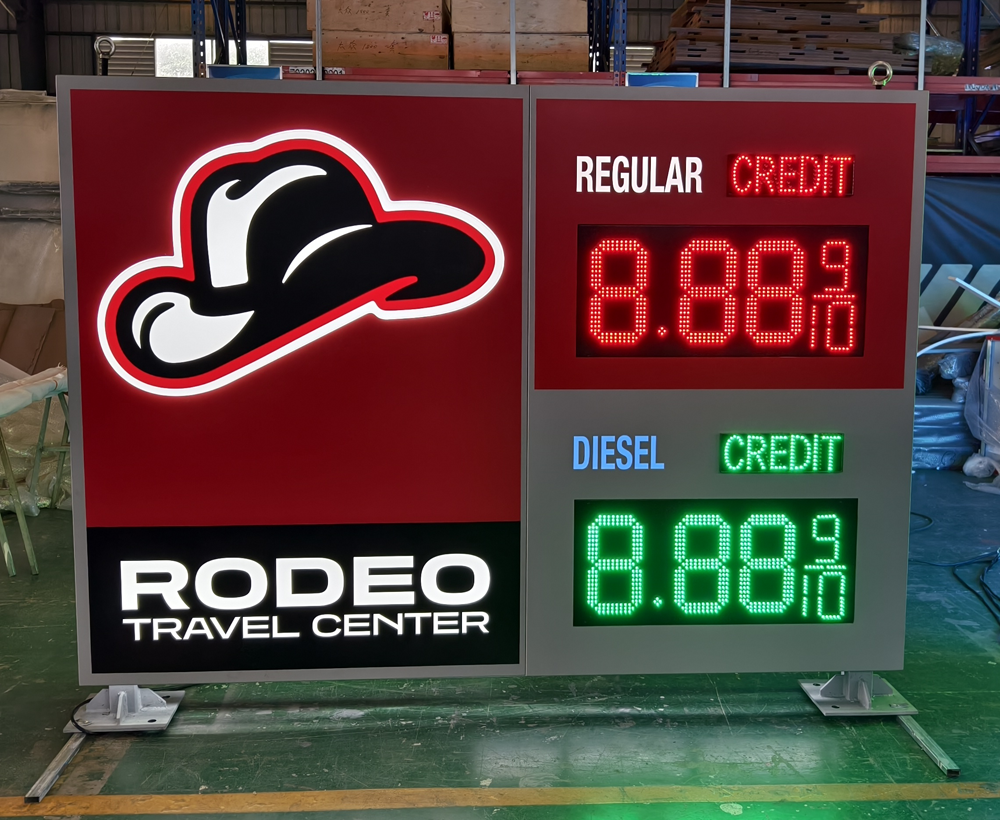
When planning the installation of monument signage for your business, one critical factor often overlooked is the seasonal growth patterns of surrounding vegetation. The visibility of your monument signage can be significantly compromised by shrubs, ornamental grasses, and other landscaping elements that flourish during growing seasons. Understanding the proper sizing and positioning requirements ensures your investment in professional signage delivers consistent brand visibility throughout the year, regardless of seasonal changes in the surrounding landscape.

Seasonal vegetation growth presents unique challenges for commercial property owners and facility managers who rely on exterior signage for wayfinding and brand recognition. During peak growing seasons, many common landscaping plants can add several feet of height, potentially obscuring lower portions of monument signs. This natural phenomenon requires careful planning during the design phase to ensure your signage remains effective year-round. Professional signage consultants typically recommend accounting for at least 18 to 24 inches of additional plant growth when determining optimal sign dimensions and placement heights.
Understanding Seasonal Growth Patterns
Common Landscaping Plants and Their Growth Characteristics
Different plant species exhibit varying growth patterns that directly impact monument signage visibility. Ornamental grasses, popular in commercial landscaping, can grow from 12 inches in early spring to over 4 feet by late summer. Deciduous shrubs typically add 6 to 18 inches of new growth annually, while evergreen varieties maintain consistent height but may develop denser foliage that blocks sight lines. Understanding these growth characteristics allows property managers to make informed decisions about sign placement and sizing.
Flowering shrubs present additional challenges as they often experience rapid spring growth followed by continued expansion throughout the growing season. Species like forsythia, lilac, and spirea can double in height within a single growing season if left unpruned. Fast-growing hedge plants such as privet or barberry can quickly obscure monument signage if not properly maintained. These factors must be carefully considered during the initial planning stages of any signage project.
Regional Climate Considerations
Geographic location significantly influences plant growth patterns and, consequently, monument signage visibility requirements. Properties in temperate climates with distinct seasons experience dramatic changes in vegetation height and density. Southern regions with longer growing seasons may see more substantial plant growth, requiring taller sign structures to maintain visibility. Northern climates with shorter growing seasons still experience significant vegetation changes, but the impact period may be more compressed.
Precipitation patterns also affect vegetation growth rates and monument signage visibility. Areas with consistent rainfall throughout the growing season typically see more robust plant growth, while regions with distinct wet and dry seasons may experience periodic visibility challenges. Understanding local climate patterns helps inform appropriate sizing decisions for long-term signage effectiveness.
Optimal Monument Sign Dimensions
Height Requirements for Year-Round Visibility
Professional signage designers recommend monument signs measure at least 6 to 8 feet in total height to maintain visibility above typical landscaping elements. This height accounts for mature shrub growth while ensuring the primary message area remains clearly visible from both pedestrian and vehicular viewpoints. For properties with aggressive landscaping or fast-growing plant species, heights of 8 to 10 feet may be necessary to prevent seasonal visibility issues.
The bottom edge of readable text should be positioned at least 30 to 36 inches above ground level to account for maximum expected vegetation growth. This elevation ensures that even during peak growing seasons, the essential information remains accessible to viewers. Additionally, this height consideration helps prevent vandalism and accidental damage while maintaining professional appearance standards expected in commercial environments.
Width and Depth Specifications
Monument signage width should be proportionate to height while providing adequate space for clear message delivery. A general rule suggests sign width should be 1.5 to 2 times the height for optimal visual balance and readability. This proportion ensures the sign maintains commanding presence without appearing overwhelming or disproportionate to surrounding landscape elements. Adequate width also allows for proper letter sizing and spacing, critical factors in maintaining readability from various distances.
Sign depth or thickness contributes to structural stability and visual impact. Monument signs typically require depths of 12 to 18 inches to provide adequate support for taller structures while creating the substantial appearance expected in professional signage applications. Deeper signs also offer more space for internal components such as lighting systems and electrical connections, essential features for maintaining visibility during evening hours.
Strategic Placement and Landscape Integration
Setback Requirements and Sight Line Analysis
Proper monument signage placement involves careful analysis of sight lines from various approach angles and distances. Signs should be positioned with adequate setback from landscaping elements to account for plant growth while maintaining clear visibility from intended viewing positions. Professional installation typically requires setbacks of 3 to 5 feet from mature plant locations, allowing room for natural expansion without compromising sign effectiveness.
Traffic flow patterns and vehicle approach speeds influence optimal placement decisions. High-speed roadways require greater visibility distances, potentially necessitating taller signs or alternative placement strategies. Urban environments with slower traffic may accommodate shorter signs, but pedestrian visibility becomes increasingly important. Comprehensive sight line analysis during the planning phase prevents costly modifications after installation.
Coordination with Landscape Design
Successful monument signage installation requires close coordination between signage professionals and landscape architects. This collaboration ensures plant selection and placement complement rather than compete with signage visibility. Low-growing groundcover and carefully positioned accent plants can enhance sign appearance while maintaining clear sight lines throughout all seasons.
Landscape maintenance schedules should align with signage visibility requirements, establishing regular pruning and trimming protocols to prevent vegetation encroachment. Property management teams benefit from clear guidelines regarding acceptable plant heights and maintenance intervals. This proactive approach prevents visibility issues before they impact business operations or customer wayfinding capabilities.
Material and Design Considerations
Durability and Weather Resistance
Monument signage materials must withstand various environmental conditions while maintaining structural integrity and visual appeal. Aluminum construction offers excellent durability and corrosion resistance, making it ideal for outdoor applications where vegetation creates humid microclimates around sign bases. Stainless steel components provide premium appearance and exceptional longevity, particularly important for monument signage representing high-end commercial properties or corporate facilities.
Protective coatings and finishes play crucial roles in maintaining sign appearance over time. Powder coating systems provide superior protection against moisture, UV radiation, and environmental contaminants that may accumulate from surrounding vegetation. These protective measures ensure monument signage maintains professional appearance standards throughout extended service life, protecting the significant investment in quality signage systems.
Lighting Integration for Enhanced Visibility
Proper illumination extends monument signage effectiveness beyond daylight hours and helps overcome visibility challenges posed by dense vegetation. LED lighting systems offer energy efficiency and long service life while providing consistent, high-quality illumination. Internal illumination creates dramatic visual impact while ensuring message clarity regardless of surrounding landscape density or seasonal changes.
External lighting solutions, such as ground-mounted spotlights or integrated landscape lighting, can highlight monument signage while complementing overall property lighting design. These systems require careful positioning to avoid creating glare or light pollution while ensuring adequate illumination for sign readability. Professional lighting design considers seasonal vegetation changes and adjusts accordingly to maintain consistent performance.
Maintenance and Long-Term Considerations
Preventive Maintenance Protocols
Regular maintenance schedules ensure monument signage continues delivering effective performance despite changing vegetation conditions. Quarterly inspections should assess vegetation growth patterns, sign condition, and visibility from key viewpoints. These evaluations identify potential issues before they impact sign effectiveness, allowing for proactive maintenance rather than reactive corrections.
Cleaning protocols should address both sign surfaces and surrounding landscape areas to maintain professional appearance. Accumulated debris, pollen, and organic matter from nearby vegetation can diminish sign visibility and create maintenance challenges. Establishing regular cleaning schedules prevents buildup while preserving the substantial investment in quality monument signage systems.
Adaptation Strategies for Changing Landscapes
Properties undergo landscape evolution over time, requiring monument signage systems to adapt accordingly. Mature trees may create new shade patterns or sight line obstructions not present during initial installation. Property managers should develop contingency plans for addressing these changes, whether through landscape modification, sign relocation, or height adjustments.
Seasonal monitoring programs help identify trends in vegetation growth and their impact on signage visibility. Documentation of these patterns informs future maintenance decisions and helps predict when intervention may be necessary. This proactive approach ensures consistent brand visibility while minimizing disruption to business operations.
FAQ
What is the minimum height recommended for monument signs to clear typical shrub growth
Professional signage consultants typically recommend monument signs measure at least 6 to 8 feet in total height to maintain visibility above standard landscaping elements. The bottom edge of readable text should be positioned at least 30 to 36 inches above ground level to account for maximum expected vegetation growth during peak growing seasons.
How do different climate zones affect monument signage sizing requirements
Geographic location significantly influences plant growth patterns and monument signage visibility requirements. Southern regions with longer growing seasons may require taller sign structures, while northern climates experience more compressed but still significant vegetation changes. Areas with consistent rainfall typically see more robust plant growth, potentially necessitating larger signage dimensions.
What setback distance should be maintained between monument signs and landscaping
Professional installation typically requires setbacks of 3 to 5 feet from mature plant locations, allowing room for natural expansion without compromising sign effectiveness. This distance accounts for plant growth while maintaining clear visibility from intended viewing positions and various approach angles.
How often should monument signage visibility be assessed relative to vegetation growth
Quarterly inspections should assess vegetation growth patterns, sign condition, and visibility from key viewpoints. These evaluations identify potential issues before they impact sign effectiveness, allowing for proactive maintenance rather than reactive corrections. Seasonal monitoring programs help identify trends and inform future maintenance decisions.
Table of Contents
- Understanding Seasonal Growth Patterns
- Optimal Monument Sign Dimensions
- Strategic Placement and Landscape Integration
- Material and Design Considerations
- Maintenance and Long-Term Considerations
-
FAQ
- What is the minimum height recommended for monument signs to clear typical shrub growth
- How do different climate zones affect monument signage sizing requirements
- What setback distance should be maintained between monument signs and landscaping
- How often should monument signage visibility be assessed relative to vegetation growth