
 EN
EN
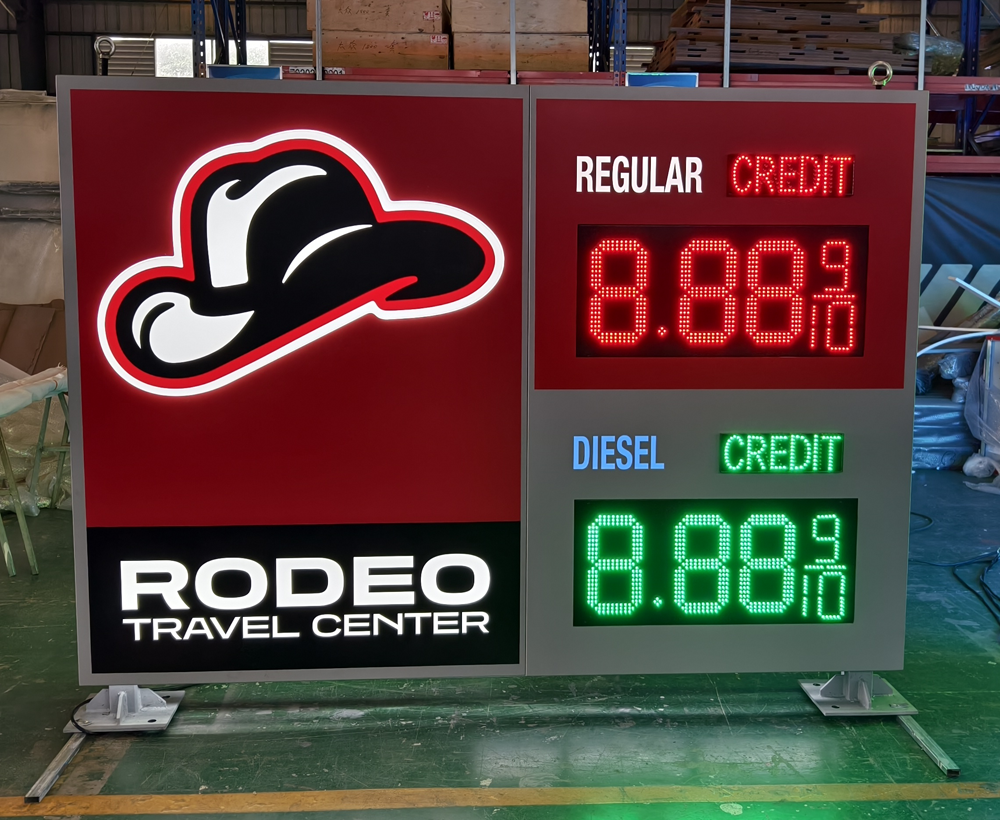
When installing outdoor signage in regions that experience freeze-thaw cycles, proper foundation depth becomes critical for ensuring long-term stability and structural integrity. Monument signage installations face unique challenges in these climates, where ground frost penetration can cause significant heaving and settling that compromises sign stability. Understanding the relationship between frost line depths, soil conditions, and proper footing installation is essential for successful monument sign projects that will withstand decades of seasonal temperature fluctuations.

Freeze-thaw climate zones present specific engineering challenges that must be addressed during the planning and installation phases of any monument sign project. The expansion and contraction of soil moisture as temperatures fluctuate can generate enormous forces that easily shift or damage improperly anchored signage structures. Professional installers must consider local frost penetration data, soil composition analysis, and regional building codes to determine appropriate footing specifications that will maintain sign stability throughout multiple seasonal cycles.
Understanding Frost Line Penetration in Different Climates
Regional Variations in Frost Depth
Frost line depths vary significantly across different geographical regions, with northern climates typically experiencing deeper ground frost penetration than southern areas. In northern states like Minnesota, Wisconsin, and Maine, frost lines commonly extend 48 to 60 inches below the surface, while moderate climate zones may see frost penetration of only 18 to 36 inches. These variations directly impact the minimum footing depth requirements for monument signage installations, as foundations must extend below the maximum expected frost penetration to prevent heaving damage.
Local building departments maintain detailed frost line maps and historical data that provide essential guidance for construction projects in their jurisdictions. These resources help installers determine the specific frost depth considerations for any given location, taking into account elevation changes, proximity to water bodies, and local soil conditions that may affect ground frost behavior. Professional sign installers should always consult these official resources before finalizing footing depth specifications for monument sign projects.
Soil Type Impact on Frost Behavior
Different soil compositions react differently to freeze-thaw cycles, with clay soils being particularly susceptible to frost heaving due to their high moisture retention characteristics. Sandy soils typically drain more effectively and experience less dramatic expansion during freezing, while rocky or gravelly soils may provide better drainage but present challenges for excavation and concrete placement. Understanding the specific soil conditions at each installation site allows installers to adjust footing designs and depths to accommodate local ground conditions.
Soil percolation testing and composition analysis should be conducted at each monument sign location to identify potential drainage issues and frost susceptibility factors. Sites with poor drainage or high clay content may require additional footing depth, improved drainage systems, or specialized concrete mixes to ensure long-term stability. Professional geotechnical assessment becomes particularly important for larger monument signage installations or sites with questionable soil conditions.
Calculating Proper Footing Depth Requirements
Standard Depth Formulas and Guidelines
Industry standard practices typically recommend extending monument sign footings to a depth of at least 6 inches below the maximum frost line depth for the specific geographical location. This safety margin helps account for unusual weather patterns or microclimate variations that might cause deeper than normal frost penetration in any given year. For regions with a 36-inch frost line, this would translate to a minimum footing depth of 42 inches, while areas with 48-inch frost penetration would require footings extending at least 54 inches below ground level.
The size and weight of the monument signage structure also influences footing depth requirements, with larger signs requiring proportionally deeper and wider foundation systems to distribute loads effectively. Sign structures exceeding 8 feet in height or 32 square feet of face area typically require engineering analysis to determine appropriate footing specifications that account for wind loading, structural weight, and local soil bearing capacity. These calculations ensure that the foundation system can support both static loads and dynamic forces without settlement or tilting over time.
Load Distribution and Structural Considerations
Monument sign footings must be designed to distribute the combined weight of the sign structure, wind loads, and any seismic forces across a sufficient soil area to prevent settlement or failure. The width and shape of the footing base directly impacts its load-bearing capacity, with wider footings providing better stability and resistance to overturning forces. Rectangular or square footing designs typically offer better performance than round footings for monument signage applications, especially for signs with significant height or wind exposure.
Wind loading calculations become particularly critical for monument signage installations, as these structures often present large surface areas that can generate substantial lateral forces during storms. The footing system must be designed to resist these overturning moments while maintaining vertical stability under all anticipated loading conditions. Professional structural engineers can provide detailed calculations and specifications for complex installations or sites with challenging environmental conditions.
Installation Best Practices for Freeze-Thaw Climates
Excavation and Preparation Techniques
Proper excavation techniques are essential for creating stable footings that will perform reliably in freeze-thaw environments. The excavation should extend uniformly to the specified depth with vertical or slightly tapered sides to ensure proper concrete placement and curing. Hand excavation or careful machine work helps avoid over-excavation that could compromise the bearing capacity of the surrounding soil or create voids that might affect foundation performance.
Base preparation typically involves placing and compacting a layer of crushed stone or gravel to provide proper drainage and a stable foundation surface for concrete placement. This drainage layer helps prevent water accumulation beneath the footing that could contribute to frost heaving or foundation movement. The thickness of this base layer should typically range from 4 to 6 inches, depending on local soil conditions and drainage requirements.
Concrete Specifications and Reinforcement
Concrete used for monument signage footings in freeze-thaw climates should meet or exceed local building code requirements for freeze-thaw durability and compressive strength. Air-entrained concrete with appropriate admixtures helps resist damage from repeated freeze-thaw cycles while maintaining structural integrity over many years of service. The concrete mix design should specify proper water-cement ratios and aggregate specifications that provide optimal durability for the local climate conditions.
Steel reinforcement should be incorporated into monument sign footings to provide tensile strength and help distribute loads throughout the concrete mass. Rebar placement should follow engineering specifications and maintain proper concrete cover to prevent corrosion while providing effective reinforcement. The reinforcement design should account for the connection requirements between the footing and the sign structure to ensure proper load transfer and long-term stability.
Drainage and Water Management Strategies
Surface Water Control Systems
Effective surface water management is crucial for preventing water infiltration around monument sign foundations that could contribute to frost heaving or soil instability. Proper grading around the sign installation should direct surface water away from the footing area to prevent ponding or infiltration that might compromise foundation performance. The finished grade should slope away from the sign base at a minimum rate of 2% to ensure adequate drainage under normal precipitation conditions.
Installation of drainage systems such as French drains or catch basins may be necessary for sites with poor natural drainage or high groundwater levels. These systems help maintain dry conditions around the monument signage foundation and reduce the risk of frost-related damage during seasonal temperature cycles. Professional assessment of site drainage conditions helps determine whether additional drainage improvements are necessary for long-term sign stability.
Subsurface Drainage Solutions
Subsurface drainage around monument sign footings helps prevent water accumulation that could lead to frost heaving or foundation settlement over time. Installation of perforated drain pipe around the footing perimeter, surrounded by appropriate filter fabric and drainage aggregate, provides an effective means of controlling groundwater levels near the foundation. This drainage system should be connected to appropriate outlets or storm water management systems to ensure effective water removal.
The drainage system design should consider local groundwater conditions, soil permeability, and seasonal water table fluctuations that might affect foundation stability. Sites with high groundwater levels or poor soil drainage may require more extensive drainage improvements to ensure long-term monument signage performance. Professional consultation with geotechnical engineers helps determine appropriate drainage specifications for challenging site conditions.
Maintenance and Long-Term Performance Monitoring
Seasonal Inspection Protocols
Regular inspection of monument signage installations helps identify potential issues before they develop into serious structural problems or safety hazards. Seasonal inspections should focus on checking for signs of foundation settlement, tilting, or cracking that might indicate freeze-thaw damage or other foundation issues. Visual assessment of the sign structure alignment and stability provides early warning of potential problems that require professional attention.
Documentation of inspection findings helps track performance trends over time and identify recurring issues that might require system modifications or improvements. Photographic records of the sign installation from multiple angles provide valuable reference information for comparing changes in alignment or structural condition over time. Professional inspection services may be warranted for larger or more complex monument signage installations to ensure comprehensive assessment of all structural components.
Preventive Maintenance Strategies
Proactive maintenance of drainage systems around monument signage installations helps prevent water-related damage and extends the service life of the foundation system. Regular cleaning of drainage outlets, inspection of surface grading, and removal of debris from drainage systems ensures continued effectiveness of water management systems. Seasonal maintenance activities should include checking and adjusting surface grades as needed to maintain proper drainage away from the sign foundation.
Monitoring of soil conditions around the monument signage base helps identify changes in drainage patterns or soil stability that might affect long-term performance. Signs of erosion, settling, or vegetation changes around the installation site may indicate drainage issues or other problems that require attention. Early intervention when problems are identified helps prevent more serious damage and reduces long-term maintenance costs for monument signage installations.
FAQ
What is the minimum footing depth required for monument signs in cold climates
Monument sign footings should extend at least 6 inches below the local frost line depth to prevent frost heaving damage. In northern climates where frost lines reach 48-60 inches deep, footings should typically extend 54-66 inches below ground level. Local building codes and frost line maps provide specific depth requirements for each geographical area, and these specifications should always be followed or exceeded for reliable long-term performance.
How does soil type affect monument sign footing requirements
Clay soils require deeper footings and better drainage due to their high moisture retention and susceptibility to frost heaving. Sandy soils typically drain better and may allow slightly shallower installations, while rocky soils provide good stability but may require special excavation techniques. Soil testing and analysis should be conducted at each site to determine appropriate footing specifications based on local soil conditions and drainage characteristics.
Can monument signs be installed during winter months in freeze-thaw climates
Winter installation of monument signage is possible but requires special precautions for concrete curing and protection from freezing temperatures. Concrete placement should only occur when temperatures are above 40°F and expected to remain above freezing for at least 48 hours after placement. Cold weather concrete additives and insulation blankets may be necessary to ensure proper curing in cold conditions, and professional consultation is recommended for winter installations.
What are the warning signs of frost damage to monument sign foundations
Signs of frost damage include tilting or leaning of the monument signage structure, visible cracks in the concrete footing, gaps appearing between the sign base and surrounding soil, or changes in the sign's vertical alignment. Seasonal movement or settling that occurs repeatedly during freeze-thaw cycles indicates inadequate footing depth or poor drainage conditions that should be addressed promptly to prevent further damage and ensure continued structural stability.