
 EN
EN
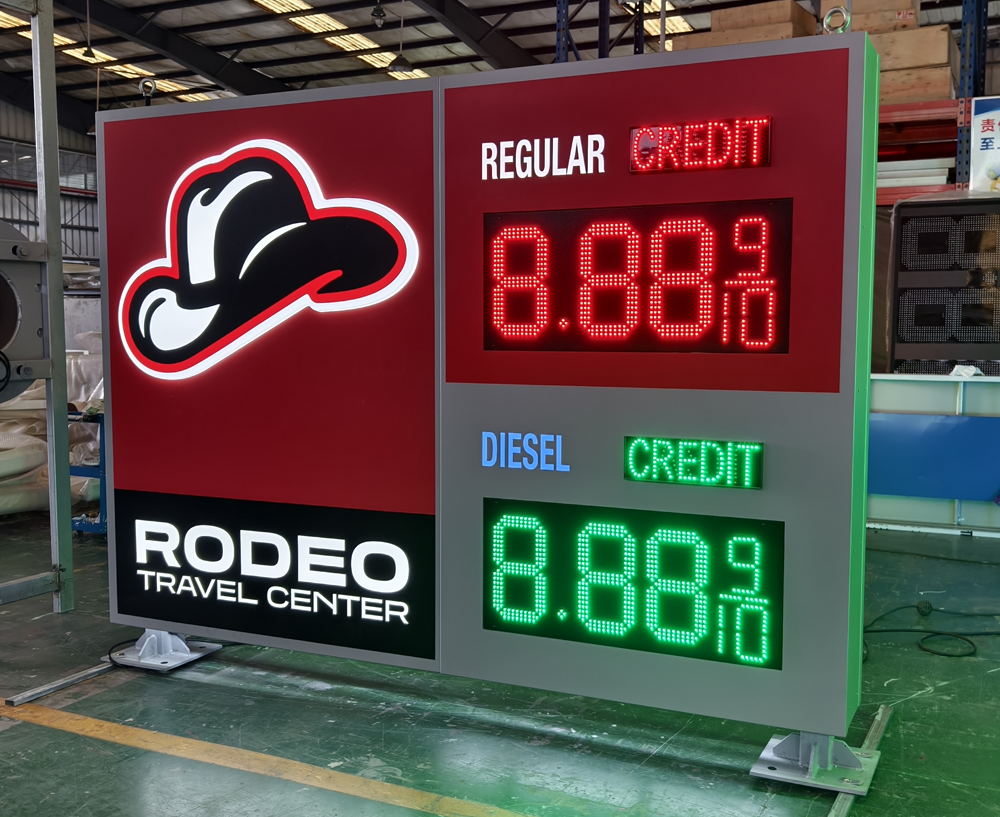
The integration of QR codes into monument signage has become increasingly common as businesses seek to bridge the gap between physical presence and digital engagement. While these square digital codes offer promising opportunities for enhanced customer interaction, the question of their practical effectiveness on roadside displays remains a critical consideration for businesses investing in outdoor advertising infrastructure.

Monument signage serves as a cornerstone of business visibility, establishing brand presence and providing essential information to potential customers. The addition of QR codes to these permanent installations represents an attempt to modernize traditional advertising methods. However, the effectiveness of this technology depends heavily on various environmental and behavioral factors that influence motorist engagement patterns.
Research indicates that QR code scanning behavior among passing motorists varies significantly based on traffic conditions, sign placement, and code size. Studies conducted by outdoor advertising research firms suggest that scanning rates are highest in areas where vehicles frequently stop or slow down, such as intersections, parking lot entrances, or drive-through locations. The challenge lies in creating monument signage designs that accommodate both traditional visibility requirements and QR code functionality.
Understanding Motorist Behavior and QR Code Interaction
Traffic Speed and Scanning Feasibility
The relationship between vehicle speed and QR code scanning capability represents one of the most significant challenges in monument signage applications. At speeds exceeding 25 miles per hour, the window of opportunity for motorists to notice, focus on, and successfully scan a QR code becomes extremely limited. This limitation particularly affects monument signage positioned along busy highways or arterial roads where traffic moves at higher velocities.
Successful QR code integration in monument signage typically occurs in environments where traffic naturally slows or stops. Shopping centers, medical facilities, and professional office complexes often provide ideal conditions for QR code effectiveness. In these locations, drivers have sufficient time to observe the signage, retrieve their mobile devices, and complete the scanning process without compromising safety.
Visual Processing and Code Recognition
The human visual system requires adequate time and distance to process QR codes effectively. Monument signage designers must consider the optimal size ratio between the QR code and the overall sign dimensions to ensure visibility from typical viewing distances. Industry standards suggest that QR codes should occupy at least 10% of the total sign area when targeting motorist audiences, though this percentage may need adjustment based on specific installation environments.
Contrast levels between the QR code and background colors significantly impact scanning success rates. High-contrast combinations, particularly black codes on white or light-colored backgrounds, provide the best results for monument signage applications. Additionally, the positioning of QR codes within the overall sign layout affects their visibility and scanning probability among passing motorists.
Technical Considerations for QR Code Implementation
Code Size and Scanning Distance Optimization
Determining the appropriate QR code size for monument signage requires careful calculation of typical viewing distances and angles. The general rule for QR code sizing suggests a 10:1 ratio between scanning distance and code size. For monument signage viewed from 50 feet away, the QR code should measure approximately 5 inches square to maintain reasonable scanning reliability.
However, monument signage often faces the challenge of accommodating multiple information elements within limited space. Designers must balance QR code prominence with traditional text, logos, and directional information. This balancing act often results in compromise solutions that may reduce QR code effectiveness while maintaining overall sign functionality and aesthetic appeal.
Environmental Durability and Code Integrity
Outdoor monument signage faces constant exposure to weather conditions that can affect QR code readability over time. UV radiation, precipitation, temperature fluctuations, and airborne debris can gradually degrade the contrast and sharpness necessary for reliable code scanning. Material selection and protective coatings become crucial factors in maintaining long-term QR code functionality.
LED-illuminated monument signage offers advantages for QR code display, particularly in low-light conditions. Digital displays can maintain consistent contrast levels and allow for dynamic QR code presentation, including animation or color changes that attract attention. However, the increased complexity and cost of digital monument signage systems may not justify the investment for all applications.
Strategic Applications and Success Factors
Location-Specific Implementation Strategies
The success of QR codes on monument signage depends heavily on strategic placement and targeting appropriate audience behaviors. Healthcare facilities, educational institutions, and government buildings often achieve higher QR code engagement rates because visitors typically approach these locations with specific informational needs and have time to interact with signage while walking or driving slowly through parking areas.
Retail and hospitality businesses may find QR code integration more challenging on monument signage due to the transient nature of customer interactions. However, businesses that provide services requiring advance planning or appointment scheduling can benefit from QR codes that direct users to booking systems or detailed service information. The key lies in aligning QR code content with genuine customer needs and convenient access points.
Content Strategy and User Value Proposition
The content accessible through QR codes on monument signage must provide sufficient value to justify the effort required for scanning. Simple redirection to a company homepage rarely generates strong engagement rates among motorists. More effective applications include access to current promotions, real-time availability information, appointment scheduling systems, or location-specific services that directly benefit the user.
Mobile-optimized landing pages specifically designed for QR code traffic perform significantly better than generic website content. These pages should load quickly, present information clearly on mobile screens, and provide clear calls-to-action that align with user expectations. Monument signage QR codes that lead to poorly designed mobile experiences often result in negative brand impressions rather than enhanced engagement.
Measuring Effectiveness and ROI
Analytics and Performance Tracking
Implementing comprehensive analytics systems allows businesses to measure QR code performance on monument signage accurately. Tracking metrics should include scan frequency, time-of-day patterns, seasonal variations, and user behavior on resulting landing pages. This data provides valuable insights into the effectiveness of monument signage QR code implementations and guides optimization efforts.
Geographic and demographic analysis of QR code users helps refine targeting strategies and content optimization. Understanding which types of users engage with monument signage QR codes enables businesses to tailor their approaches and improve conversion rates. However, privacy considerations and data collection compliance requirements must be carefully managed in these tracking systems.
Cost-Benefit Analysis for Monument Signage Integration
The financial investment required for QR code integration into monument signage varies significantly based on implementation approach and existing sign infrastructure. Simple vinyl applications may add minimal cost to traditional monument signage projects, while digital display systems require substantial initial investment and ongoing maintenance expenses.
Return on investment calculations should consider both direct conversion metrics and broader brand engagement benefits. While immediate sales attribution may be limited, QR codes can provide valuable data about customer interest patterns and enable enhanced follow-up marketing efforts. Monument signage with integrated QR codes may also demonstrate technological sophistication that appeals to certain customer demographics.
Future Trends and Technology Integration
Emerging Technologies and Enhanced Engagement
The evolution of augmented reality and near-field communication technologies presents new opportunities for monument signage interaction beyond traditional QR codes. These emerging technologies may provide more intuitive and engaging methods for connecting physical signage with digital content, potentially addressing some of the current limitations of QR code scanning in high-traffic environments.
Voice-activated systems and beacon technology offer alternative approaches to bridging the gap between monument signage and digital engagement. These technologies may prove more suitable for motorist interaction scenarios where visual attention and manual device operation present safety concerns or practical limitations.
Design Innovation and User Experience Optimization
Future monument signage designs will likely incorporate more sophisticated integration of QR codes and digital elements. Innovations in materials, lighting, and display technology continue to expand possibilities for creating monument signage that effectively combines traditional visibility with modern interactive capabilities.
User experience research specifically focused on monument signage interaction will drive improvements in QR code implementation strategies. Understanding the cognitive and behavioral factors that influence motorist engagement with roadside signage enables more effective design decisions and higher success rates for digital integration efforts.
FAQ
What factors determine QR code scanning success on monument signage
Several critical factors influence QR code scanning success on monument signage, including traffic speed, code size, contrast levels, viewing distance, and environmental conditions. Optimal results typically occur in locations where vehicles travel at speeds below 25 mph and drivers have clear sightlines to the signage. The QR code should be sized appropriately for the expected viewing distance, with high contrast between the code and background colors to ensure reliable scanning capability.
How should businesses measure QR code effectiveness on outdoor signage
Businesses should implement comprehensive analytics systems that track scan frequency, user demographics, peak engagement times, and conversion rates from QR code interactions. Key performance indicators include total scans per time period, bounce rates on landing pages, and subsequent user actions such as contact form submissions or appointment bookings. Geographic tracking can also provide insights into which locations generate the highest engagement rates for monument signage applications.
What content works best for QR codes on monument signage
The most effective QR code content for monument signage provides immediate, location-specific value to users. This includes current promotions, real-time service availability, appointment scheduling systems, detailed product information, or exclusive digital content. Mobile-optimized landing pages that load quickly and present information clearly on smartphone screens generate the highest user satisfaction and engagement rates. Generic website redirections typically perform poorly compared to purpose-built mobile experiences.
Are there safety concerns with QR codes on roadside monument signage
Safety considerations are paramount when implementing QR codes on monument signage, particularly in high-traffic areas. The design should never encourage drivers to scan codes while actively driving, and placement should target pedestrians or drivers in parked or slow-moving vehicles. Clear disclaimers and strategic positioning can help ensure that QR code interactions occur only when safe and appropriate. Monument signage designers must prioritize public safety while maximizing engagement opportunities.