
 EN
EN
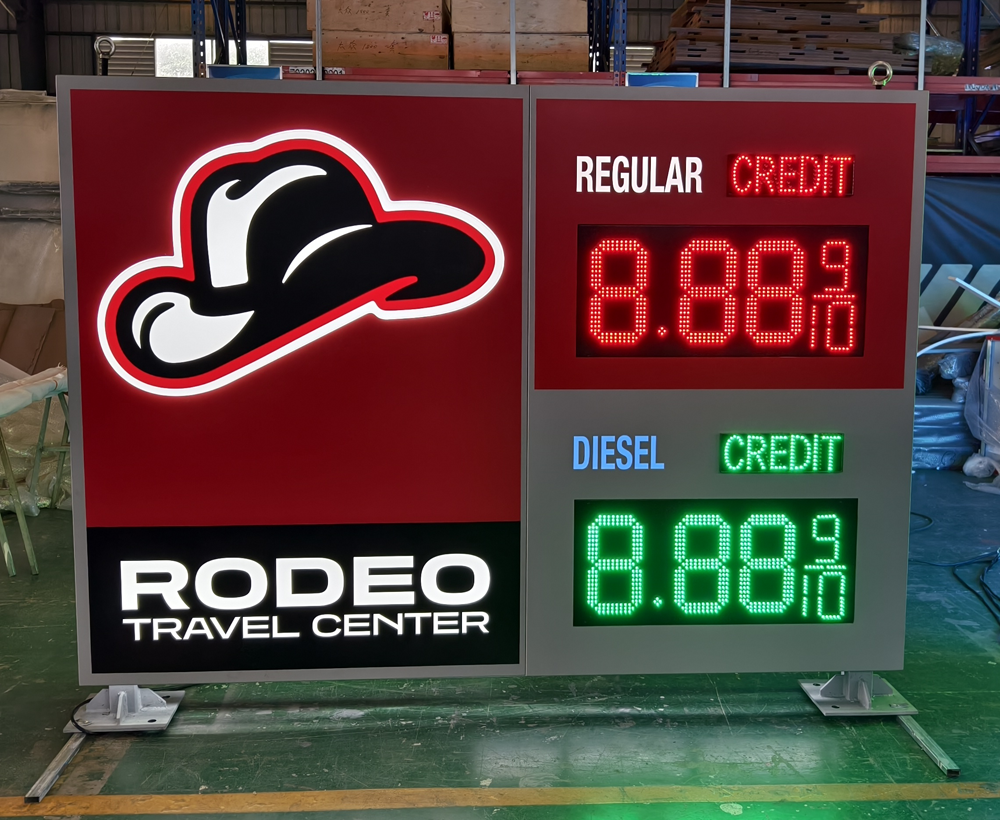
When selecting materials for monument signage, durability becomes a critical factor that directly impacts long-term investment returns and brand visibility. Both stone cladding and aluminum composite materials have established themselves as popular choices in the commercial signage industry, yet their performance characteristics differ significantly across various environmental conditions. Understanding these differences helps businesses make informed decisions about their exterior signage investments, particularly when considering factors such as weather resistance, maintenance requirements, and overall lifecycle costs.

Material Composition and Structural Integrity
Stone Cladding Characteristics
Stone cladding materials used in monument signage typically consist of natural granite, limestone, or engineered stone composites that provide exceptional structural integrity. These materials offer inherent resistance to impact damage and maintain their appearance over extended periods without significant deterioration. The dense molecular structure of stone creates a barrier against moisture penetration, reducing the risk of internal damage that commonly affects other signage materials.
Natural stone exhibits remarkable thermal stability, expanding and contracting minimally with temperature fluctuations compared to synthetic alternatives. This characteristic proves particularly valuable in climates with extreme seasonal variations, where repeated thermal cycling can compromise material integrity over time. Additionally, stone surfaces develop a natural patina that often enhances their aesthetic appeal while providing additional protection against environmental elements.
Aluminum Composite Construction
Aluminum composite panels consist of two aluminum sheets bonded to a polyethylene core, creating a lightweight yet sturdy construction suitable for large-format applications. The material's engineered design allows for precise manufacturing tolerances and consistent quality control, resulting in uniform appearance and predictable performance characteristics. Modern aluminum composite systems incorporate advanced coating technologies that enhance corrosion resistance and color retention.
The composite structure provides excellent flatness and dimensional stability, making it ideal for applications requiring precise graphics or intricate design elements. However, the layered construction introduces potential failure points where delamination may occur under extreme conditions or improper installation. This vulnerability requires careful consideration of environmental factors and proper installation techniques to ensure optimal performance.
Weather Resistance and Environmental Performance
Moisture and Water Damage Resistance
Stone cladding demonstrates superior resistance to moisture-related damage, with properly sealed installations showing minimal water infiltration issues. The material's natural density prevents water absorption that could lead to freeze-thaw damage in colder climates. However, proper sealing and drainage design remain crucial for preventing water accumulation behind stone panels, which could compromise the supporting structure.
Aluminum composite materials require careful attention to edge sealing and joint design to prevent moisture intrusion into the core material. While the aluminum faces provide excellent water resistance, compromised edge seals can allow moisture penetration that may cause core degradation or delamination over time. Modern sealant technologies and improved edge-sealing techniques have significantly reduced these concerns in quality installations.
UV Stability and Color Retention
Natural stone materials exhibit exceptional UV stability, with minimal color fading or surface degradation even after decades of direct sunlight exposure. This characteristic makes stone an excellent choice for monument signage installations in high-exposure locations where maintaining consistent appearance is critical. The inherent UV resistance eliminates the need for protective coatings that require periodic renewal.
Aluminum composite panels rely on sophisticated coating systems to provide UV protection and color stability. High-quality panels feature PVDF (polyvinylidene fluoride) coatings that offer excellent fade resistance and chalking protection for extended periods. However, these coatings may eventually require maintenance or replacement depending on exposure conditions and initial quality levels.
Maintenance Requirements and Lifecycle Costs
Routine Maintenance Considerations
Stone cladding requires minimal routine maintenance beyond periodic cleaning and occasional resealing of joints or surface treatments. The material's natural resistance to staining and weathering reduces the frequency of intensive cleaning procedures. However, certain stone types may require specific cleaning agents to prevent damage or discoloration, and professional cleaning services may be necessary for optimal results.
Aluminum composite panels benefit from regular cleaning to maintain their appearance and prevent accumulation of environmental contaminants that could affect surface coatings. The smooth surface finish facilitates easier cleaning compared to textured stone surfaces, but attention to proper cleaning techniques prevents scratching or coating damage. Periodic inspection of edge seals and mounting hardware helps identify potential issues before they become significant problems.
Long-term Durability Assessment
Stone materials demonstrate exceptional longevity, with properly installed natural stone installations maintaining structural integrity and aesthetic appeal for several decades. The material's resistance to environmental degradation makes it an excellent choice for permanent installations where long-term performance outweighs initial cost considerations. Repair procedures for stone damage, while possible, often require specialized expertise and matching materials.
Aluminum composite systems typically provide reliable performance for 15-25 years depending on environmental conditions and coating quality. The modular nature of composite panel systems allows for easier replacement of individual sections if damage occurs, potentially reducing overall repair costs. However, color matching may become challenging as coatings age and manufacturers discontinue specific finishes.
Installation Complexity and Structural Requirements
Foundation and Support Systems
Stone cladding installations require robust structural support systems capable of handling significantly higher dead loads compared to aluminum composite alternatives. Foundation design must account for the material's weight distribution and potential thermal movement, often necessitating more extensive concrete work and reinforcement details. These structural requirements can increase initial construction costs but contribute to overall system stability.
Aluminum composite panels offer significant advantages in terms of structural loading, requiring minimal additional support beyond standard signage mounting systems. The lightweight nature of the material allows for more flexible installation options and reduced foundation requirements. This characteristic proves particularly beneficial for retrofitting existing structures or installations with limited structural capacity.
Installation Precision and Tolerances
Stone installation demands precise measurement and fitting, as natural materials may require on-site adjustments to accommodate dimensional variations. Skilled craftsmen familiar with stone working techniques are essential for achieving professional results, potentially increasing labor costs and installation timeframes. However, the permanent nature of stone installations often justifies the additional investment in proper installation procedures.
Aluminum composite panels offer consistent dimensions and standardized mounting systems that facilitate faster installation with conventional construction techniques. The material's workability allows for field modifications when necessary, reducing the risk of costly delays or material waste. Standardized installation procedures and readily available mounting hardware contribute to more predictable project timelines and costs.
Cost Analysis and Return on Investment
Initial Investment Considerations
Stone cladding typically requires higher initial material costs compared to aluminum composite alternatives, particularly when specifying premium natural stone varieties. However, the material's longevity and minimal maintenance requirements often provide superior value over extended ownership periods. Project-specific factors such as design complexity, installation accessibility, and local labor costs significantly influence total project expenses.
Aluminum composite systems generally offer lower initial costs and faster installation, providing immediate cost advantages for budget-conscious projects. The availability of various quality levels allows for cost optimization based on specific performance requirements and expected service life. However, potential replacement or refinishing costs should be considered in long-term financial planning.
Lifecycle Cost Evaluation
Comprehensive lifecycle cost analysis reveals that stone cladding often provides competitive total ownership costs despite higher initial investment. The material's durability and minimal maintenance requirements contribute to lower ongoing expenses over typical building ownership periods. Energy efficiency considerations may also favor stone due to its thermal mass properties in certain climate conditions.
Aluminum composite materials may require periodic maintenance or replacement during extended ownership periods, potentially affecting long-term cost projections. However, the modular nature of composite systems allows for selective repairs or updates without complete replacement, providing flexibility for evolving business needs or aesthetic preferences.
FAQ
How long does stone cladding typically last on exterior signage compared to aluminum composite?
Stone cladding can maintain its structural integrity and appearance for 30-50 years or more with minimal maintenance, while aluminum composite panels typically provide reliable performance for 15-25 years depending on environmental conditions and coating quality. Natural stone's inherent durability and resistance to weathering contribute to its superior longevity, making it an excellent choice for permanent installations where long-term performance is prioritized.
What are the main factors that affect the durability of monument signage materials?
Key factors influencing signage material durability include UV exposure intensity, temperature cycling frequency, moisture levels, air quality, and mechanical stress from wind loads. Proper installation techniques, quality of sealants and mounting systems, and regular maintenance practices also significantly impact material performance over time. Environmental conditions specific to the installation location should guide material selection decisions.
Can damaged stone or aluminum composite panels be repaired effectively?
Stone repairs are possible but often require specialized expertise and matching materials, making prevention through proper installation and protection more cost-effective. Aluminum composite panels offer easier repair options due to their modular construction, allowing individual panel replacement without affecting adjacent areas. However, color matching may become challenging as materials age and manufacturers update their product lines.
Which material performs better in extreme weather conditions?
Stone cladding generally demonstrates superior performance in extreme weather conditions due to its thermal stability, UV resistance, and minimal expansion characteristics. Natural stone handles freeze-thaw cycles better than composite materials and shows less degradation from prolonged sun exposure. Aluminum composite panels perform well in most conditions but may be more susceptible to thermal movement and require careful attention to expansion joint design in extreme climates.
Table of Contents
- Material Composition and Structural Integrity
- Weather Resistance and Environmental Performance
- Maintenance Requirements and Lifecycle Costs
- Installation Complexity and Structural Requirements
- Cost Analysis and Return on Investment
-
FAQ
- How long does stone cladding typically last on exterior signage compared to aluminum composite?
- What are the main factors that affect the durability of monument signage materials?
- Can damaged stone or aluminum composite panels be repaired effectively?
- Which material performs better in extreme weather conditions?