
 EN
EN
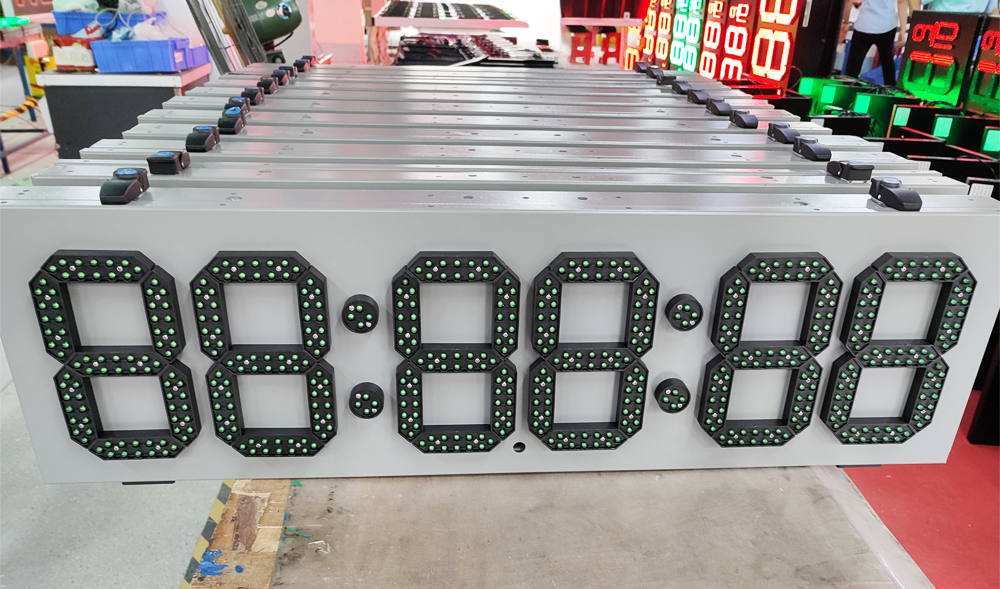
When driving past gas stations during peak afternoon hours, you've likely noticed that some fuel price displays remain crystal clear while others become nearly impossible to read. This visibility challenge has sparked significant innovation in the petroleum retail industry, leading to advanced solutions that maintain exceptional readability regardless of environmental conditions. The difference between a barely visible display and a professionally clear gas digital sign often determines customer attraction and business success.
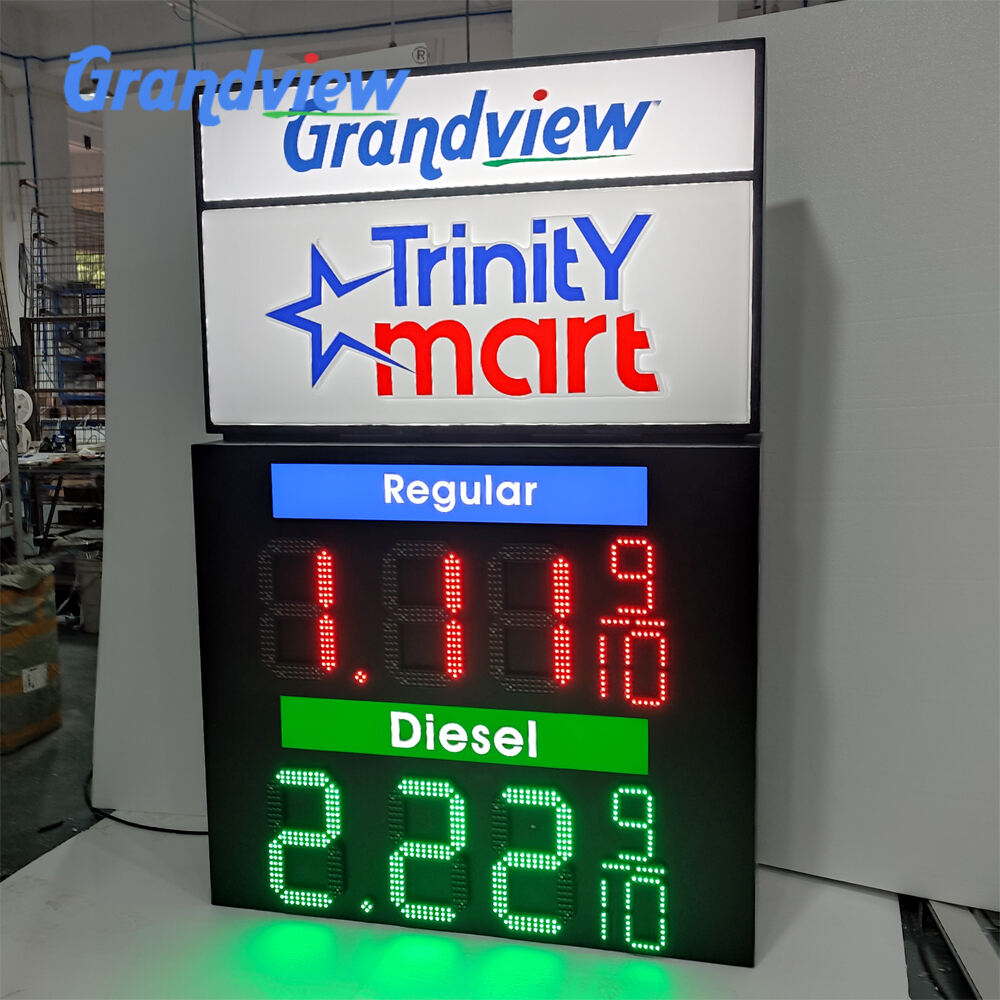
Modern fuel stations face intense competition, making every aspect of customer experience crucial for success. Price visibility serves as the primary factor influencing driver decisions when choosing between multiple nearby stations. Advanced display technologies have emerged to address the fundamental challenge of maintaining clear price information under varying lighting conditions throughout the day.
Advanced LED Technology Behind Superior Visibility
High-Brightness LED Architecture
Contemporary gas station displays utilize sophisticated LED configurations designed specifically for outdoor environments. These systems incorporate high-intensity diodes capable of producing luminosity levels exceeding 10,000 nits, significantly surpassing standard indoor display requirements. The enhanced brightness ensures that price information remains visible even when competing against direct sunlight reflection.
Premium LED arrays feature individual pixel control, allowing dynamic brightness adjustment based on ambient light conditions. This intelligent adaptation prevents energy waste during low-light periods while maximizing visibility when environmental conditions demand higher output. The result creates consistent readability that adapts seamlessly to changing weather and time-of-day variations.
Specialized Anti-Glare Design Elements
Professional-grade displays incorporate multiple anti-glare technologies working in combination to eliminate reflection issues. Specialized lens coatings reduce surface reflection by up to 95%, while carefully engineered viewing angles ensure optimal visibility from various approach directions. These design elements prevent the mirror-like effects that plague inferior display systems.
Advanced housing designs feature recessed mounting configurations that create natural shadow zones around the display surface. This architectural approach minimizes direct sunlight impact while maintaining clear sight lines from customer vehicles. The combination of technical and physical design solutions creates displays that perform consistently under challenging conditions.
Color Science and Contrast Optimization
Strategic Color Selection for Maximum Impact
The choice of display colors significantly impacts visibility under bright lighting conditions. Research indicates that specific color combinations provide superior contrast ratios when viewed against sky backgrounds and surrounding environments. Green digits on dark backgrounds consistently demonstrate optimal performance across various lighting scenarios, explaining their widespread adoption in the industry.
Professional gas digital sign systems utilize carefully calibrated color temperatures that maintain consistency across different viewing conditions. The selected wavelengths minimize eye strain for drivers while ensuring rapid number recognition from significant distances. This scientific approach to color selection directly translates into improved customer experience and increased traffic conversion.
Dynamic Contrast Enhancement Systems
Modern displays incorporate real-time contrast adjustment capabilities that respond to environmental changes throughout the day. Integrated light sensors continuously monitor ambient conditions, automatically adjusting background darkness and digit brightness to maintain optimal contrast ratios. This dynamic optimization ensures consistent performance regardless of weather conditions or time variations.
Advanced processing algorithms analyze surrounding light conditions and apply appropriate enhancement filters to maximize digit clarity. These systems can differentiate between direct sunlight, overcast conditions, and artificial lighting, applying specific optimization profiles for each scenario. The result produces displays that maintain professional appearance and functionality under any environmental challenge.
Environmental Durability and Performance Factors
Weather Resistance Engineering
Superior gas station displays undergo rigorous environmental testing to ensure reliable performance across extreme weather conditions. Sealed enclosures protect internal components from moisture infiltration, dust accumulation, and temperature fluctuations that could compromise visibility or operational reliability. Professional-grade systems maintain consistent performance from -40°F to 185°F operating ranges.
Advanced thermal management systems prevent internal component degradation that could affect display brightness or color accuracy over time. Integrated cooling solutions and heat dissipation designs ensure that LED arrays maintain optimal performance even during extended high-temperature exposure. This engineering attention extends display lifespan while maintaining consistent visibility characteristics.
Impact Resistance and Vandal Protection
Commercial displays must withstand various physical challenges, from weather-related impacts to intentional vandalism attempts. High-strength polycarbonate lens materials provide excellent optical clarity while offering superior impact resistance compared to traditional glass alternatives. These materials maintain transparency while protecting sensitive internal components from damage.
Professional mounting systems distribute impact forces across structural supports, preventing damage from wind loading, debris strikes, or intentional interference. Tamper-resistant hardware and secure cable management protect against unauthorized access while maintaining clean aesthetic appearance. These protective measures ensure consistent operation and minimize maintenance requirements over extended service periods.
Installation and Positioning Best Practices
Optimal Viewing Angle Configuration
Proper installation positioning significantly impacts display visibility and effectiveness. Professional installations consider multiple factors including primary traffic approach angles, surrounding building shadows, and potential reflection sources that could interfere with readability. Strategic positioning maximizes visibility while minimizing environmental interference factors.
Height and tilt angle adjustments ensure optimal viewing geometry for approaching vehicles across multiple lanes of traffic. Professional installers utilize specialized measurement tools to determine ideal positioning that accounts for driver eye level and typical vehicle approach speeds. These calculations ensure maximum visibility window duration for potential customers making fuel purchasing decisions.
Integration with Existing Infrastructure
Modern gas digital sign systems integrate seamlessly with existing fuel management and point-of-sale systems. Advanced communication protocols enable automatic price updates that maintain consistency across all display locations and internal systems. This integration eliminates manual update requirements while ensuring price accuracy and regulatory compliance.
Professional installation includes comprehensive cable management and power distribution systems that protect against environmental damage and interference. Properly shielded communication lines prevent signal degradation that could affect display performance or update reliability. These technical considerations ensure consistent operation and minimize ongoing maintenance requirements.
Energy Efficiency and Operational Considerations
Smart Power Management Systems
Contemporary displays incorporate intelligent power management that reduces operational costs while maintaining superior visibility. Automated brightness adjustment systems optimize energy consumption by matching output levels to actual environmental requirements. These systems can reduce power consumption by up to 70% during low-light conditions without compromising visibility.
Advanced scheduling capabilities allow operators to customize display behavior based on business hours, seasonal patterns, and local regulations. Programmable dimming schedules ensure appropriate light output levels while respecting community lighting ordinances. This flexibility enables operators to maintain professional appearance while minimizing operational expenses and environmental impact.
Maintenance and Longevity Factors
Professional-grade systems require minimal maintenance when properly specified and installed. Self-diagnostic capabilities monitor component performance and provide early warning indicators before visibility degradation occurs. Modular component designs enable targeted replacement of specific elements without requiring complete system replacement.
Quality LED arrays maintain consistent brightness and color accuracy for over 100,000 hours of operation under normal conditions. This longevity translates into predictable operational costs and reliable performance over extended service periods. Professional systems include comprehensive warranty coverage that protects against premature component failure and performance degradation.
FAQ
What makes some gas station signs more visible than others during bright sunlight
The primary factors affecting visibility include LED brightness levels, anti-glare coatings, color selection, and contrast ratios. High-quality displays utilize specialized LED arrays producing over 10,000 nits brightness, combined with anti-reflective coatings that reduce surface glare by up to 95%. Strategic color choices and dynamic contrast adjustment ensure optimal visibility regardless of lighting conditions.
How long do modern gas station LED displays typically last
Professional-grade LED displays are designed for over 100,000 hours of continuous operation, equivalent to approximately 11 years of 24/7 use. Quality systems maintain consistent brightness and color accuracy throughout their service life, with gradual degradation patterns that allow for predictable replacement planning. Proper installation and environmental protection significantly extend operational lifespan.
Do brighter displays consume significantly more electricity
Modern displays incorporate intelligent power management systems that optimize energy consumption based on ambient conditions. While maximum brightness capability requires more power, smart systems automatically adjust output levels throughout the day. These adaptive systems can reduce energy consumption by up to 70% during low-light periods while maintaining optimal visibility when needed.
What environmental conditions pose the greatest challenges for display visibility
Direct sunlight reflection, fog, rain, and snow create the most significant visibility challenges for fuel price displays. Professional systems address these conditions through anti-glare coatings, enhanced brightness capabilities, and weatherproof enclosures. Advanced designs maintain consistent performance across temperature ranges from -40°F to 185°F while protecting against moisture and debris infiltration.