
 EN
EN
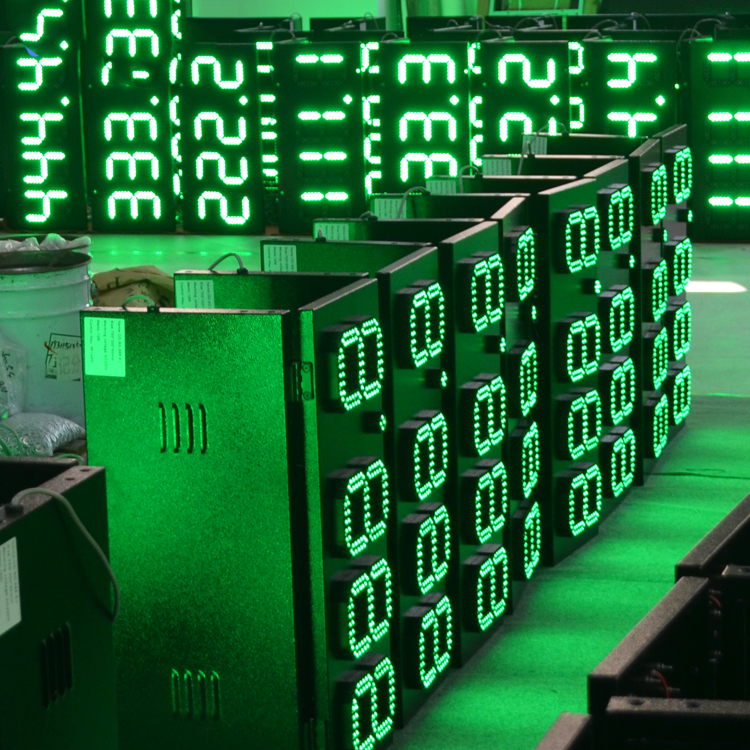
Gas station operators frequently encounter LED segment failures on their pricing displays, leading to concerns about operational costs and customer perception. Understanding the repair versus replacement decision for a gas digital sign requires careful evaluation of the specific failure type, overall system health, and long-term operational goals. Modern gas station displays utilize sophisticated LED technology that offers exceptional durability, yet individual components can still experience wear over time due to environmental factors and continuous operation.
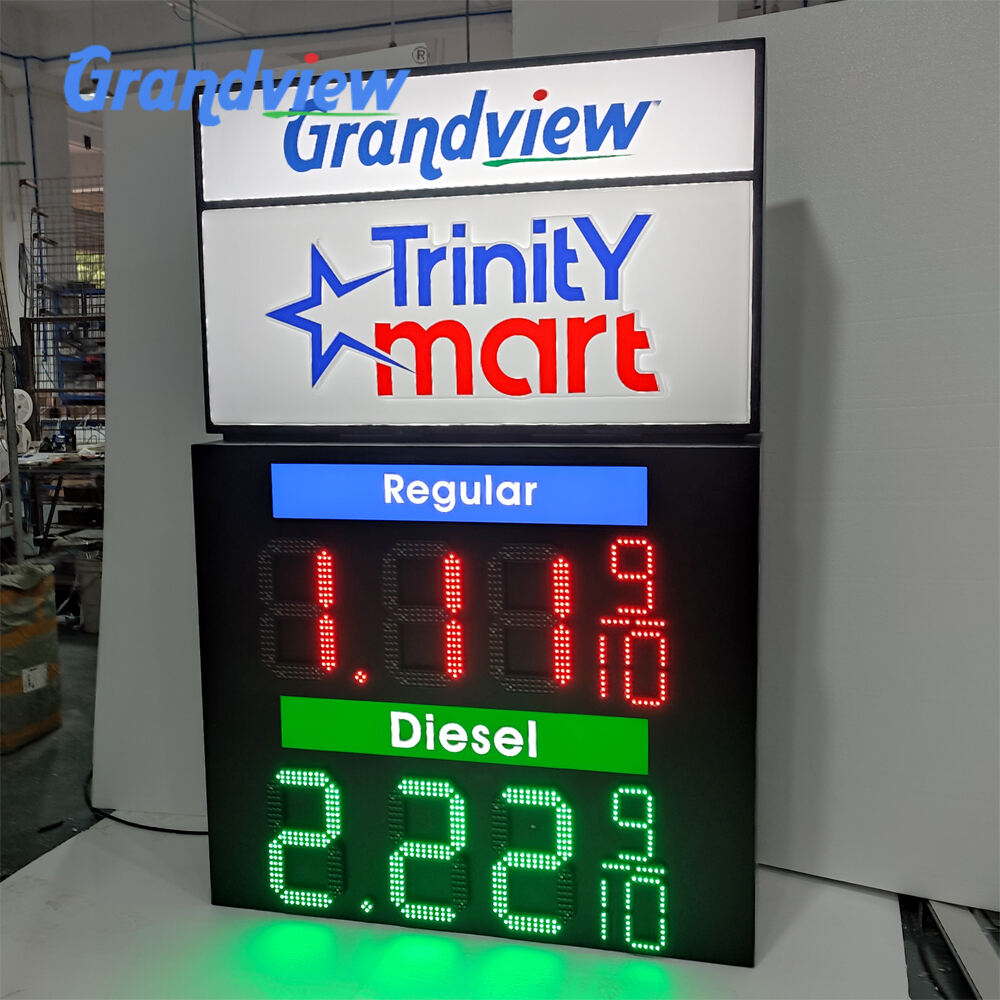
Understanding LED Segment Architecture in Gas Station Displays
Seven-Segment Display Configuration
The foundation of any gas digital sign lies in its seven-segment display architecture, where each numeric digit consists of seven individual LED segments arranged in a specific pattern. These segments work together to create recognizable numbers from zero through nine, with each segment controlled by dedicated circuitry. When a single segment fails, the display can still function, but the affected digit becomes difficult or impossible to read accurately. This configuration allows for targeted repairs in many cases, as the remaining segments continue to operate normally.
Modern gas station pricing displays typically feature multiple digits arranged horizontally to display fuel prices with appropriate decimal precision. The modular design of these systems means that individual digit modules can often be accessed independently, making selective repairs more feasible than complete system replacement. Understanding this architecture helps station operators make informed decisions about maintenance strategies and budget allocation for display upkeep.
LED Technology and Failure Patterns
LED segments in gas digital sign applications utilize high-brightness diodes designed for outdoor visibility and extended operational life. These components are engineered to withstand temperature fluctuations, moisture, and ultraviolet exposure common in fuel retail environments. However, individual LEDs can fail due to electrical stress, manufacturing defects, or environmental damage, creating dark segments within otherwise functional displays.
Failure patterns often provide valuable diagnostic information about the underlying cause and potential for additional failures. Random single-segment failures typically indicate isolated component issues, while systematic failures across multiple segments suggest power supply problems or environmental damage requiring more comprehensive attention. Analyzing these patterns helps determine whether targeted repairs or broader system upgrades represent the most cost-effective approach.
Diagnostic Procedures for Failed LED Segments
Visual Inspection and Testing Methods
Proper diagnosis begins with systematic visual inspection of the affected gas digital sign during both daylight and nighttime conditions. This comprehensive approach reveals the extent of segment failure and helps identify any additional issues that might not be immediately apparent. Technicians should examine all digits for consistency in brightness, color uniformity, and complete segment illumination to establish baseline performance expectations.
Electronic testing procedures involve measuring voltage levels at individual segment connections, verifying driver circuit functionality, and assessing overall power distribution throughout the display system. These measurements provide objective data about electrical performance and help distinguish between LED component failures and control circuit problems. Proper testing protocols ensure accurate diagnosis and prevent unnecessary component replacement when simpler solutions might suffice.
Environmental Factor Assessment
Environmental conditions significantly impact LED segment longevity and failure rates in gas station applications. Moisture infiltration, temperature cycling, and physical vibration from nearby traffic can accelerate component degradation and influence repair decision-making. Assessing these factors helps predict future failure likelihood and informs maintenance scheduling strategies.
Detailed environmental assessment includes evaluating seal integrity, drainage systems, and mounting stability to identify conditions that might contribute to ongoing reliability issues. This information proves crucial when deciding between targeted repairs and comprehensive system upgrades, as addressing underlying environmental problems often provides better long-term value than repeated component replacements.
Repair Versus Replacement Decision Factors
Cost-Benefit Analysis Framework
Evaluating repair versus replacement options for a gas digital sign requires systematic cost-benefit analysis that considers immediate expenses, long-term reliability, and operational impact. Single segment repairs typically cost significantly less than complete module replacement, but may not address underlying issues that could cause additional failures. This analysis framework helps station operators make financially sound decisions based on their specific operational requirements and budget constraints.
Long-term cost projections should include labor expenses for future maintenance visits, potential revenue loss from display downtime, and warranty coverage differences between repair and replacement options. Complete module replacement often provides extended warranty protection and improved reliability, potentially offsetting higher initial costs through reduced maintenance requirements and enhanced operational stability.
Operational Continuity Considerations
Gas station operations depend heavily on clear, accurate price displays for customer service and regulatory compliance. Failed LED segments can create confusion about pricing, potentially leading to customer dissatisfaction and regulatory issues. Evaluating the operational impact of continued operation with failed segments versus temporary downtime for repairs influences the urgency and scope of maintenance decisions.
Emergency repair capabilities and parts availability also factor into operational planning, as some repairs can be completed quickly while others require extended downtime for component procurement and installation. Understanding these operational requirements helps prioritize maintenance approaches that minimize business disruption while maintaining display functionality and compliance standards.
Module-Level Replacement Benefits and Drawbacks
Advantages of Complete Module Replacement
Complete module replacement for gas digital sign systems offers several compelling advantages, including comprehensive warranty coverage, uniform performance characteristics, and elimination of mixed-age components within the display. New modules typically provide improved reliability and consistent brightness levels that enhance overall display quality and customer perception. This approach also simplifies future maintenance by establishing known installation dates and performance baselines for all components.
Factory-fresh modules often incorporate design improvements and updated components that address known reliability issues in earlier versions. These enhancements can provide superior environmental resistance, improved electrical efficiency, and extended operational life compared to field repairs of older components. Additionally, complete module replacement typically includes comprehensive testing and quality assurance procedures that ensure optimal performance from installation.
Potential Disadvantages and Limitations
The primary drawback of complete module replacement involves significantly higher initial costs compared to targeted segment repairs, particularly when only minor failures affect overall display functionality. This cost differential can be substantial for operators managing multiple locations or facing budget constraints, making selective repair approaches more attractive despite potential long-term limitations.
Installation complexity and downtime requirements for module replacement often exceed those needed for segment-level repairs, potentially impacting station operations during peak business periods. Procurement lead times for replacement modules may also create extended outages if inventory is not maintained on-site, whereas individual segment repairs might be completed more quickly using readily available components.
Segment-Level Repair Techniques and Limitations
Technical Repair Procedures
Segment-level repairs for gas digital sign displays require specialized techniques and equipment to ensure proper electrical connections and weather sealing. These procedures typically involve accessing individual LED components within the display housing, desoldering failed segments, and installing replacement components while maintaining proper electrical isolation and environmental protection. Skilled technicians must work carefully to avoid damaging adjacent components during the repair process.
Proper repair techniques include thorough cleaning of connection points, application of appropriate sealants, and comprehensive testing to verify restored functionality. Quality repair procedures also address potential causes of the original failure, such as moisture infiltration or electrical stress, to prevent recurring issues. These preventive measures can significantly improve repair longevity and overall system reliability.
Repair Durability and Warranty Considerations
Field repairs of LED segments typically provide shorter warranty periods compared to complete module replacements, reflecting the inherent challenges of maintaining factory-level quality standards in field conditions. Environmental factors at the repair site, including temperature, humidity, and contamination, can affect repair quality and longevity. Understanding these limitations helps set appropriate expectations for repair performance and maintenance scheduling.
Warranty coverage for segment repairs often excludes consequential damage or additional failures that might result from environmental factors or installation issues. This limited coverage contrasts with comprehensive warranties typically provided with new module installations, creating additional risk considerations for operators choosing repair over replacement strategies.
Long-Term Maintenance Strategy Development
Preventive Maintenance Planning
Developing comprehensive maintenance strategies for gas digital sign systems requires understanding failure patterns, environmental factors, and operational requirements specific to each location. Preventive maintenance programs should include regular visual inspections, electrical testing, and environmental assessment to identify potential issues before they cause display failures. These proactive approaches can significantly extend component life and reduce emergency repair requirements.
Effective maintenance planning also incorporates seasonal considerations, as extreme weather conditions often accelerate component degradation and increase failure rates. Scheduling preventive maintenance activities before peak stress periods helps ensure optimal display performance during critical operational periods and reduces the likelihood of emergency repairs during adverse weather conditions.
Technology Upgrade Considerations
Modern gas digital sign technology continues to evolve, offering improved efficiency, reliability, and features compared to older systems. Evaluating upgrade opportunities during maintenance decision-making can provide long-term benefits that justify higher initial investments. Newer displays often feature enhanced environmental protection, remote monitoring capabilities, and improved energy efficiency that reduce operational costs over time.
Technology upgrades also provide opportunities to standardize equipment across multiple locations, simplifying maintenance procedures and parts inventory management. This standardization can reduce training requirements for maintenance personnel and improve overall system reliability through consistent component specifications and performance characteristics.
FAQ
How long do LED segments typically last in gas station displays
LED segments in quality gas digital sign displays typically provide 50,000 to 100,000 hours of operation under normal conditions, equivalent to approximately 5-11 years of continuous use. However, actual lifespan varies significantly based on environmental conditions, power quality, and display design. Extreme temperatures, moisture exposure, and electrical stress can reduce operational life, while proper environmental protection and stable power supplies can extend component longevity beyond typical specifications.
Can I repair just one failed segment without affecting the entire display
Yes, individual LED segments can often be repaired without affecting other display components, provided the failure is isolated to the LED itself rather than control circuitry. This targeted approach requires careful diagnosis to ensure the failure is truly isolated and that repair procedures won't damage adjacent components. However, accessing individual segments may require partial disassembly of the display housing, and field repairs typically provide shorter warranty periods than complete module replacement.
What environmental factors most commonly cause LED segment failures
Moisture infiltration represents the most significant environmental threat to LED segment reliability, causing corrosion of electrical connections and component degradation. Temperature cycling from daily heating and cooling creates thermal stress that can fatigue solder joints and LED components. Additionally, ultraviolet exposure, vibration from nearby traffic, and electrical surges from lightning or power grid fluctuations contribute to premature component failure in gas station environments.
Is it more cost-effective to maintain spare modules or rely on repair services
The optimal approach depends on the number of locations, failure frequency, and operational requirements. Multi-location operators often benefit from maintaining spare modules to minimize downtime, while single-location operations may find repair services more cost-effective. Spare module inventory provides immediate replacement capability but requires capital investment and storage considerations. Repair services offer lower immediate costs but may involve longer response times and potential for repeated service calls if underlying issues aren't addressed.