
 EN
EN

When summer temperatures soar beyond 100°F, outdoor electronic displays face extreme thermal challenges that can compromise performance and longevity. A gas digital sign operating in these harsh conditions requires sophisticated thermal management systems to maintain reliable operation while displaying critical pricing information to customers. The engineering behind these displays involves multiple layers of protection, from advanced cooling mechanisms to heat-resistant components specifically designed for continuous outdoor operation.
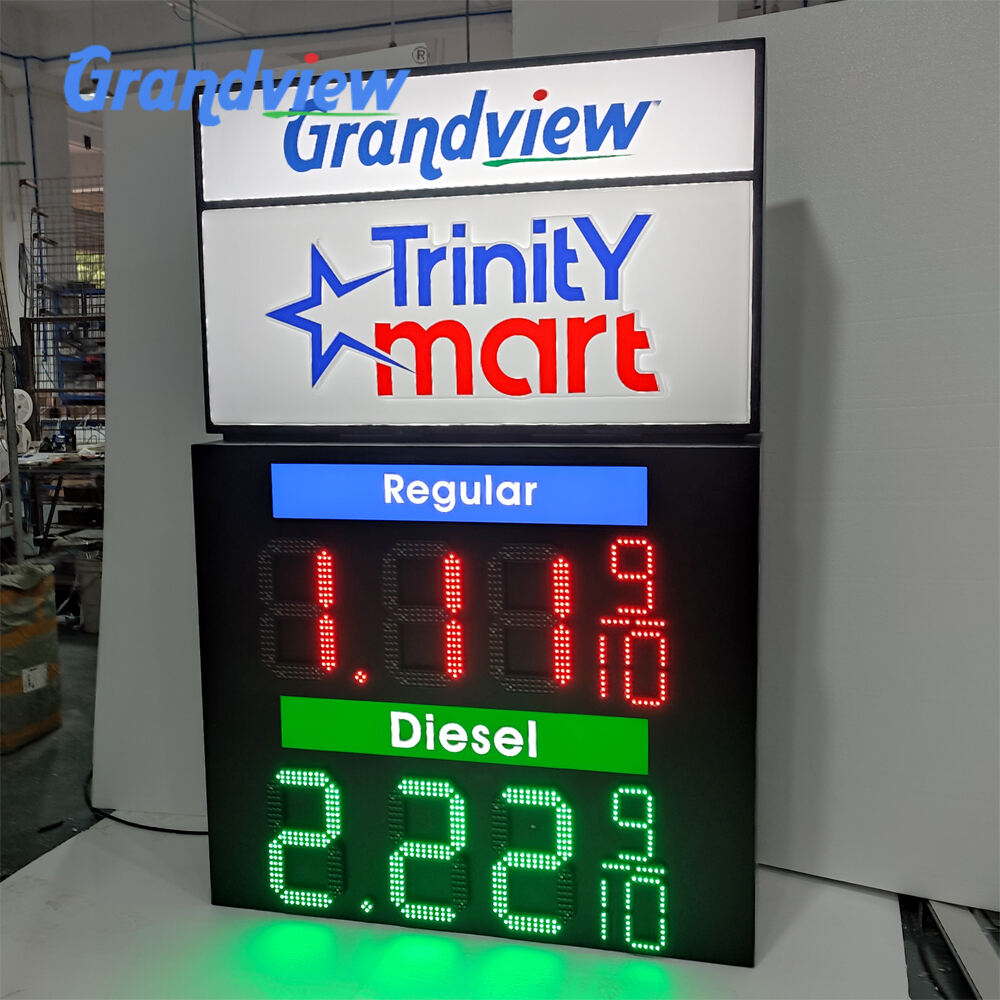
Understanding the thermal dynamics of outdoor digital signage becomes crucial when these systems must function reliably during peak summer months. The combination of direct sunlight exposure, ambient temperature variations, and internal heat generation from electronic components creates a complex thermal environment that requires careful engineering solutions. Modern gas station operators depend on these displays to maintain accurate pricing visibility regardless of weather conditions.
Thermal Management Technologies in Digital Price Displays
Active Cooling Systems and Ventilation Design
Professional-grade outdoor displays incorporate active cooling systems that continuously circulate air through the internal components. These systems typically feature temperature-controlled fans that automatically adjust their speed based on internal sensor readings. The ventilation design includes strategically placed intake and exhaust ports that create optimal airflow patterns, ensuring hot air is efficiently expelled while cool air is drawn in from shaded areas of the enclosure.
Advanced models integrate multiple cooling zones within a single display unit, allowing different sections to receive targeted thermal management based on their specific heat generation patterns. The LED driver circuits, which typically produce the most heat, receive priority cooling through dedicated airflow channels. This zoned approach ensures that critical components maintain optimal operating temperatures even when external conditions exceed design specifications.
Heat Dissipation Through Intelligent Component Placement
The internal layout of a quality gas digital sign follows thermal engineering principles that maximize heat dissipation while minimizing hot spots. Components are arranged to create natural convection currents, with heat-generating elements positioned to take advantage of rising warm air patterns. Thermal interface materials and heat spreaders distribute concentrated heat across larger surface areas, preventing localized overheating.
Strategic component spacing ensures adequate air circulation around each element, while thermal barriers protect sensitive electronics from heat generated by power conversion circuits. The circuit board design incorporates copper pour areas and thermal vias that conduct heat away from critical components toward heatsinks and cooling zones. This systematic approach to thermal management extends component life and maintains display performance consistency.
Environmental Protection and Weather Resistance
UV-Resistant Housing Materials and Coatings
Outdoor gas digital sign enclosures utilize specialized materials engineered to withstand prolonged UV exposure without degradation. These housings typically feature UV-stabilized polycarbonate or aluminum construction with reflective coatings that reduce solar heat absorption. The surface treatments include infrared-reflective properties that can reduce internal temperatures by reflecting away a significant portion of the sun's thermal energy.
Color selection plays a crucial role in thermal management, with lighter colors and specialized pigments designed to minimize heat absorption. Some advanced enclosures incorporate phase-change materials or thermal mass elements that absorb excess heat during peak temperature periods and release it during cooler nighttime hours. These passive thermal regulation systems help maintain more stable internal temperatures throughout daily temperature cycles.
Sealed Design with Pressure Equalization
Weather-resistant gas digital sign designs maintain complete environmental sealing while incorporating pressure equalization systems that prevent thermal stress on the enclosure. These systems allow for thermal expansion and contraction without compromising the weatherproof integrity of the display housing. Specialized breather vents with moisture barriers permit air exchange while blocking dust and water infiltration.
The sealing systems must accommodate significant temperature variations that can cause dramatic pressure changes within the enclosure. Professional designs include flexible sealing materials that maintain their integrity across wide temperature ranges, preventing seal failure that could lead to moisture ingress and subsequent component damage. These environmental protection measures ensure reliable operation regardless of weather conditions.
LED Technology and Power Management
Efficient LED Driver Circuits and Power Regulation
Modern gas digital sign displays utilize high-efficiency LED driver circuits that minimize waste heat generation while maintaining optimal brightness levels. These drivers incorporate advanced power management features including automatic brightness adjustment based on ambient light conditions, reducing power consumption and heat generation during peak daylight hours when cooling demands are highest.
Switching power supplies with high-efficiency ratings convert incoming AC power to the precise DC voltages required by LED arrays while generating minimal excess heat. Power factor correction and harmonic filtering not only improve electrical efficiency but also reduce thermal stress on power conversion components. Smart power management systems can dynamically adjust display brightness and refresh rates to balance visibility requirements with thermal constraints.
Temperature-Compensated Display Performance
LED performance characteristics change with temperature, requiring compensation circuits that maintain consistent brightness and color accuracy across varying thermal conditions. Temperature sensors throughout the display provide real-time feedback to control circuits that adjust drive currents to compensate for thermal effects on LED output. This ensures that the gas digital sign maintains uniform appearance and readability regardless of operating temperature.
Advanced displays incorporate predictive thermal management algorithms that anticipate temperature changes based on time of day, season, and historical weather patterns. These systems can preemptively adjust cooling fan speeds, brightness levels, and refresh rates to maintain optimal performance while preventing overheating conditions. Such intelligent thermal management extends component life and ensures consistent display quality.
Installation and Maintenance Considerations
Proper Mounting and Airflow Optimization
Installation practices significantly impact the thermal performance of outdoor gas digital sign systems. Proper mounting ensures adequate clearance around ventilation areas while positioning the display to minimize direct solar exposure during peak temperature periods. Mounting hardware must accommodate thermal expansion and contraction without creating stress points that could compromise the display housing.
Site selection considers factors such as prevailing wind patterns, nearby heat sources, and potential shading from structures or landscaping. Professional installations include assessment of local climate conditions and may incorporate additional cooling measures such as external shade structures or enhanced ventilation systems for extreme climate applications. These considerations ensure optimal thermal performance throughout the display's operational life.
Preventive Maintenance for Thermal Systems
Regular maintenance of cooling systems ensures continued thermal protection effectiveness. This includes cleaning of air filters, inspection of fan operation, and verification of temperature sensor accuracy. Dust accumulation on internal components can significantly impact heat dissipation, making regular cleaning essential for maintaining optimal thermal performance in dusty outdoor environments.
Thermal performance monitoring through diagnostic systems allows for predictive maintenance scheduling based on actual operating conditions rather than arbitrary time intervals. These systems can alert operators to developing thermal issues before they impact display performance, enabling proactive maintenance that prevents costly failures. Documentation of thermal performance trends helps optimize maintenance schedules and identify potential system improvements.
FAQ
How hot can outdoor gas digital signs get before they malfunction
Most professional gas digital sign systems are designed to operate reliably with internal temperatures up to 140-160°F, which typically corresponds to external ambient temperatures of 120-130°F when proper cooling systems are functioning. However, the exact temperature tolerance varies by manufacturer and component specifications. Quality displays include thermal shutdown protection that temporarily reduces brightness or activates enhanced cooling when approaching critical temperature thresholds.
What maintenance is required to keep cooling systems working effectively
Essential maintenance includes monthly cleaning of air intake filters, quarterly inspection of cooling fan operation, and annual comprehensive thermal system evaluation. Air filters should be replaced or cleaned more frequently in dusty environments, while fan bearings may require periodic lubrication depending on the manufacturer's specifications. Temperature sensor calibration should be verified annually to ensure accurate thermal management system operation.
Can gas digital signs operate continuously during extended heat waves
Well-designed gas digital sign systems with adequate thermal management can operate continuously during extended periods of extreme heat. However, some displays may automatically implement protective measures such as reduced brightness or periodic cooling cycles during peak temperature conditions. These protective features help maintain long-term reliability while ensuring continued operation during critical business hours.
What are the signs that a gas digital sign is overheating
Common indicators of thermal stress include flickering displays, reduced brightness, intermittent operation, or complete shutdown during hot weather periods. Physical signs may include excessive heat radiating from the enclosure, unusual fan noise, or visible distortion of plastic components. Modern displays often include diagnostic alerts or error codes that specifically indicate thermal protection activation or cooling system malfunctions.