
 EN
EN
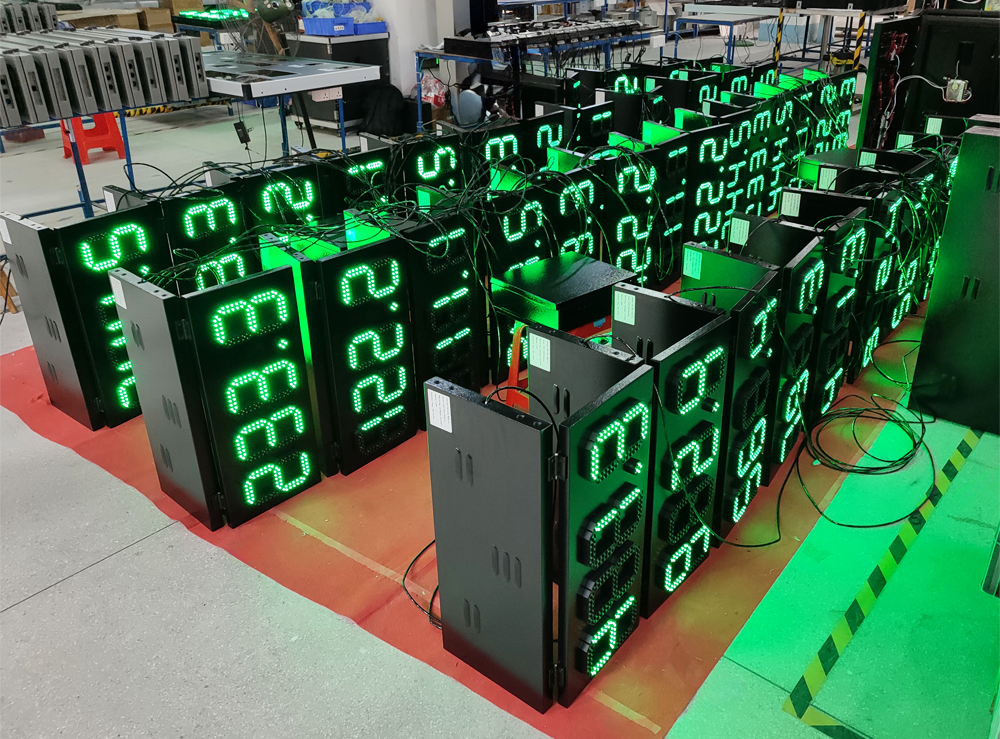
In today's competitive fuel retail market, capturing and maintaining driver attention has become increasingly challenging. A gas digital sign serves as a critical touchpoint between fuel stations and potential customers, making content refresh frequency a strategic business decision. Understanding the optimal timing for content updates can significantly impact customer engagement, brand recognition, and ultimately, fuel sales conversion rates.
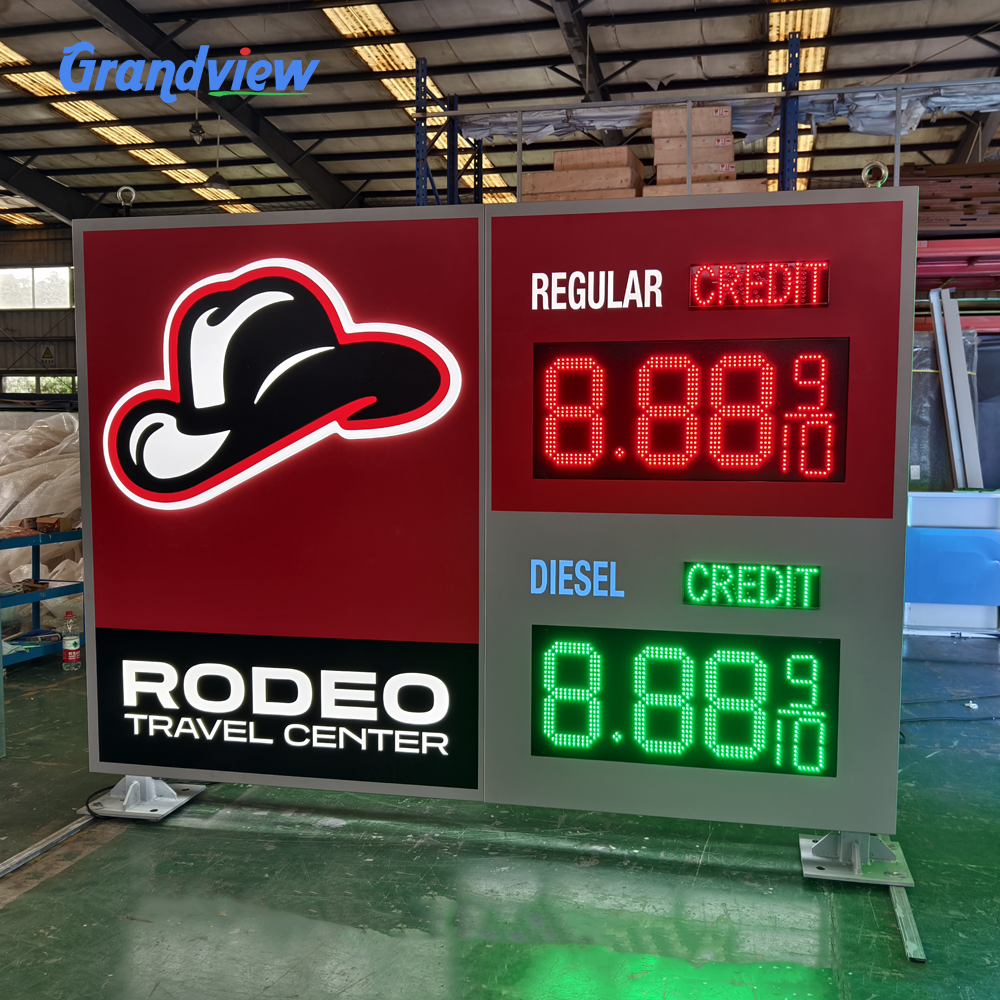
Understanding Driver Behavior and Attention Patterns
Peak Traffic Hours and Visibility Windows
Driver behavior around fuel stations follows predictable patterns that directly influence how often content should change on digital displays. During morning rush hours, drivers typically spend 15-30 seconds evaluating fuel options before making purchasing decisions. Evening commuters often exhibit similar time constraints, creating narrow windows where fresh content can capture attention effectively. Research indicates that drivers begin processing visual information approximately 200-300 feet before reaching a station, emphasizing the importance of timely content rotation.
Weekend traffic patterns differ significantly from weekday behavior, with drivers generally having more time to process promotional messages and special offers. This behavioral shift suggests that content scheduling should adapt to different time periods throughout the week. Station operators who align their gas digital sign content with these natural traffic rhythms often report higher engagement rates and increased fuel volume sales.
Psychological Impact of Content Freshness
Human psychology plays a crucial role in how drivers respond to digital signage content. The mere exposure effect suggests that repeated viewing of identical content initially increases familiarity and preference, but prolonged exposure without variation leads to habituation and decreased attention. This psychological principle directly applies to fuel station signage, where regular customers may become blind to static content over time.
Cognitive load theory also influences driver decision-making processes at fuel stations. When content remains static for extended periods, drivers develop automated responses that bypass conscious evaluation of pricing or promotional offers. Strategic content rotation disrupts these automatic patterns, forcing renewed attention and consideration of displayed information.
Strategic Content Rotation Frequency Guidelines
Daily Content Updates for Maximum Impact
Industry research suggests that daily content rotation provides optimal balance between freshness and operational efficiency for most fuel retail locations. This frequency ensures that regular commuters encounter new information during their routine stops while maintaining cost-effective content management practices. Daily updates allow operators to respond quickly to competitive pricing changes, fuel availability issues, or time-sensitive promotional campaigns.
Successful daily rotation strategies often incorporate morning price updates, midday promotional content, and evening convenience store advertisements. This approach recognizes that different customer segments visit fuel stations at various times throughout the day, each with distinct needs and purchasing behaviors. A well-managed gas digital sign system enables seamless execution of these targeted content schedules.
Seasonal and Event-Driven Content Strategies
Beyond daily rotation, successful fuel retailers implement seasonal content strategies that align with local events, holidays, and weather patterns. Summer driving seasons may warrant more frequent updates highlighting travel-related services, while winter months might emphasize cold-weather vehicle maintenance products. Local sporting events, festivals, and community gatherings present additional opportunities for targeted content rotation.
Event-driven content strategies require flexible scheduling capabilities and real-time update functionality. Modern gas digital sign systems should accommodate last-minute content changes to capitalize on unexpected opportunities such as severe weather events, traffic disruptions, or competitor outages that might drive additional customer traffic to a location.
Technology Integration and Automation Solutions
Remote Management and Scheduling Systems
Advanced gas digital sign technology has revolutionized content management capabilities, enabling sophisticated scheduling and remote update functionality. Cloud-based management systems allow operators to control multiple locations from centralized platforms, ensuring consistent brand messaging while accommodating location-specific customization needs. These systems typically include automated scheduling features that can rotate content based on predefined parameters such as time of day, day of week, or external data feeds.
Integration with point-of-sale systems and inventory management platforms enables dynamic content updates based on real-time business conditions. For example, low inventory levels for specific fuel grades can automatically trigger promotional content for alternative products, while high-margin convenience items can receive increased display priority during peak sales periods.
Data Analytics and Performance Monitoring
Modern digital signage platforms provide comprehensive analytics that help operators optimize content rotation frequency based on actual performance data. Key metrics include dwell time, conversion rates, and customer engagement levels measured through various tracking methods. This data-driven approach enables continuous refinement of content strategies to maximize return on investment.
Advanced analytics platforms can identify optimal content rotation patterns for specific locations, taking into account local traffic patterns, demographic factors, and competitive environments. Machine learning algorithms increasingly support predictive content scheduling, automatically adjusting rotation frequency based on historical performance data and real-time market conditions.
Content Development and Creative Considerations
Message Hierarchy and Information Architecture
Effective content rotation requires careful consideration of message hierarchy and information architecture principles. Primary content elements such as fuel pricing must maintain consistent visibility and positioning, while secondary messages like promotional offers and convenience store advertisements can rotate more frequently. This approach ensures that essential information remains accessible to customers while providing opportunities for varied messaging.
Visual design consistency across rotating content elements helps maintain brand recognition and reduces cognitive load for viewers processing information quickly while driving. Standardized templates, color schemes, and typography create cohesive visual experiences that enhance message effectiveness regardless of specific content variations.
Regulatory Compliance and Safety Standards
Content rotation strategies must account for various regulatory requirements and safety standards that govern fuel retail advertising and signage. Price accuracy regulations may dictate minimum display durations for fuel pricing information, while local zoning ordinances might restrict certain types of promotional content or animation effects. Understanding these constraints helps operators develop compliant content rotation schedules that avoid regulatory issues.
Safety considerations also influence appropriate content rotation frequency, particularly regarding driver distraction potential. Industry best practices recommend avoiding rapid content changes or complex animations that might divert excessive attention from driving tasks. Balanced content rotation maintains visual interest without compromising road safety standards.
Measuring Success and ROI Optimization
Key Performance Indicators and Metrics
Successful gas digital sign content strategies require systematic measurement and evaluation using relevant key performance indicators. Fuel volume sales, average transaction values, and customer frequency metrics provide direct insights into signage effectiveness. Additionally, brand awareness surveys and customer feedback mechanisms help assess longer-term impact on market positioning and customer relationships.
Advanced measurement approaches incorporate attribution modeling to isolate digital signage impact from other marketing channels and operational factors. This analytical rigor enables more precise optimization of content rotation frequency and helps justify technology investments through documented performance improvements.
Competitive Analysis and Market Positioning
Regular competitive analysis helps inform optimal content rotation strategies by identifying market opportunities and positioning advantages. Monitoring competitor signage practices, promotional timing, and messaging approaches provides valuable intelligence for developing differentiated content strategies. This market awareness enables proactive rather than reactive content management approaches.
Successful fuel retailers often use their gas digital sign systems as competitive weapons, updating content more frequently than competitors to capture market share during price wars or promotional campaigns. Rapid response capabilities become significant competitive advantages in dynamic fuel retail markets where timing and agility determine success.
FAQ
What is the minimum recommended frequency for updating gas station digital sign content?
The minimum recommended frequency for updating gas station digital sign content is once every 24-48 hours for basic pricing and promotional information. However, high-traffic locations may benefit from more frequent updates, potentially 2-3 times daily during peak periods. This frequency ensures content freshness while maintaining operational efficiency and preventing customer habituation to static displays.
How do weather conditions affect optimal content rotation schedules?
Weather conditions significantly impact driver behavior and attention patterns, requiring adjusted content rotation strategies. During adverse weather conditions like rain, snow, or fog, drivers focus primarily on road safety and may have reduced attention for complex promotional messages. In these situations, simpler content with essential information like fuel pricing should remain prominent, while detailed promotional content can be reduced until conditions improve.
Can automated systems effectively manage content rotation without human oversight?
Modern automated systems can effectively manage routine content rotation tasks, including scheduled price updates and standard promotional cycles. However, human oversight remains essential for strategic decision-making, creative content development, and responding to unexpected market conditions or local events. The most successful implementations combine automated efficiency with human strategic guidance to optimize both operational effectiveness and marketing impact.
What factors should determine content rotation frequency for different location types?
Content rotation frequency should be adjusted based on several location-specific factors including traffic volume, customer demographics, local competition levels, and geographic characteristics. Urban locations with high traffic turnover may warrant more frequent updates than rural stations serving primarily repeat customers. Highway locations might emphasize travel-related services, while neighborhood stations focus more on convenience items and loyalty programs, each requiring different rotation strategies.
Table of Contents
- Understanding Driver Behavior and Attention Patterns
- Strategic Content Rotation Frequency Guidelines
- Technology Integration and Automation Solutions
- Content Development and Creative Considerations
- Measuring Success and ROI Optimization
-
FAQ
- What is the minimum recommended frequency for updating gas station digital sign content?
- How do weather conditions affect optimal content rotation schedules?
- Can automated systems effectively manage content rotation without human oversight?
- What factors should determine content rotation frequency for different location types?