
 EN
EN
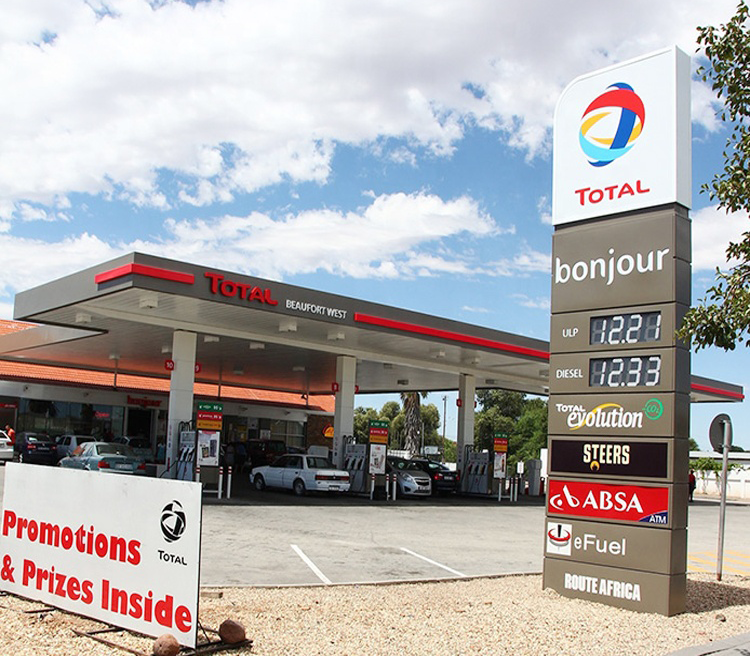
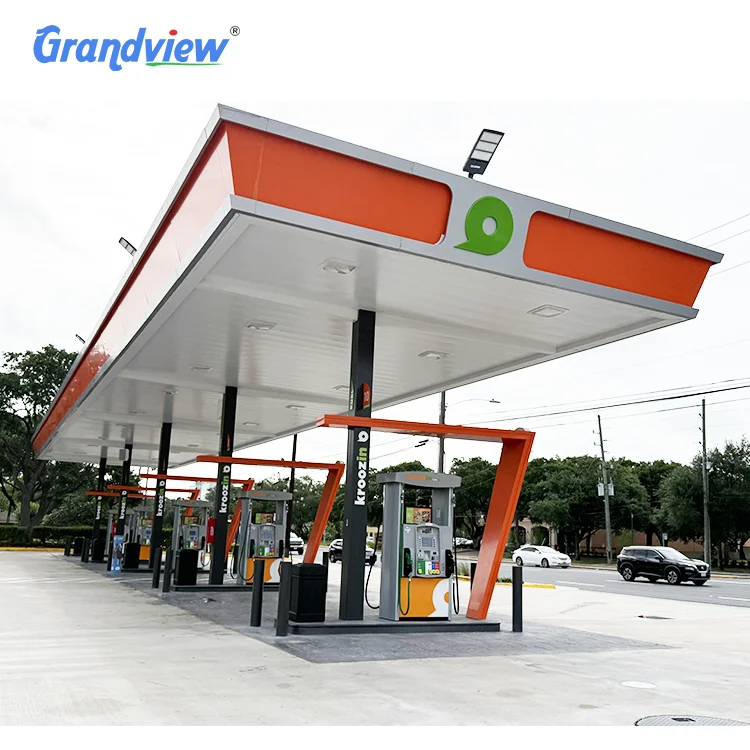
Fuel station canopies serve as critical infrastructure components that protect customers and equipment from weather elements while providing essential clearance for various vehicle types. The proper height determination for these structures involves careful consideration of traffic patterns, local regulations, and safety standards. Modern fuel stations must accommodate everything from compact cars to large commercial trucks, making height calculations a complex engineering challenge that directly impacts operational efficiency and customer satisfaction.
Standard Clearance Requirements for Commercial Vehicles
Federal and State Height Regulations
Commercial vehicle height limits in the United States typically range from 13 feet 6 inches to 14 feet, depending on state regulations and road classifications. Most states enforce a maximum height of 13 feet 6 inches for standard highways, though some permit up to 14 feet on designated routes. Fuel station operators must understand these variations to ensure their canopy heights accommodate the tallest legal vehicles in their region.
Interstate commerce regulations require fuel stations serving commercial routes to maintain minimum clearances that exceed maximum vehicle heights by at least 6 inches. This safety buffer accounts for vehicle suspension bounce, load settling, and measurement variations. Stations located near ports, industrial areas, or major trucking corridors often implement even higher clearance standards to accommodate specialized transport vehicles.
Emergency Vehicle Considerations
Fire trucks, ambulances, and other emergency vehicles present unique height challenges for fuel station design. Ladder trucks can reach heights of 11 to 12 feet, while some specialized emergency equipment may exceed standard commercial limits. Fuel stations serving emergency services or located on emergency routes must factor these vehicles into their canopy height calculations to ensure unobstructed access during critical situations.
Municipal fire departments often provide specific height requirements for fuel stations within their jurisdictions. These requirements may mandate clearances of 15 feet or higher in certain areas, particularly near airports, industrial facilities, or emergency service stations. Consultation with local emergency services during the planning phase helps identify potential clearance issues before construction begins.
Engineering Standards and Safety Margins
Industry Best Practices
The petroleum equipment industry recommends minimum canopy heights of 14 feet 6 inches for standard commercial applications, providing adequate clearance for most legal vehicles while maintaining cost-effective construction parameters. High-volume truck stops and commercial fueling facilities typically implement 16 to 18-foot clearances to accommodate oversized loads and specialized equipment safely.
Structural engineering principles require additional safety factors beyond minimum clearance requirements. These factors account for construction tolerances, foundation settling, and long-term structural deflection. Professional engineers typically add 12 to 18 inches above minimum clearance requirements to ensure continued compliance throughout the structure's operational lifetime.
Load and Wind Considerations
Canopy height affects structural loading calculations significantly, as taller structures experience greater wind forces and require more robust foundation systems. Engineering analysis must balance clearance requirements with structural efficiency to optimize both safety and construction costs. Higher canopies may require additional support columns or larger foundation elements to maintain stability under extreme weather conditions.
Seismic considerations in earthquake-prone regions further complicate height determinations, as taller structures exhibit different dynamic responses during ground motion. Local building codes may impose height restrictions or require enhanced seismic design measures for fuel station canopies exceeding certain thresholds. These factors must be evaluated during the preliminary design phase to avoid costly modifications later in the project.
Design Considerations for Mixed Vehicle Traffic
Passenger Car Accessibility
While accommodating large vehicles is essential, fuel station canopies must also provide appropriate coverage and protection for standard passenger cars. Excessively high canopies may compromise weather protection effectiveness and create an uninviting environment for regular customers. The optimal design balances commercial vehicle clearance with passenger car comfort and security.
Lighting design becomes more challenging with increased canopy height, as fixtures must provide adequate illumination at fuel islands while minimizing glare and energy consumption. Higher mounting positions require more powerful fixtures or additional lighting points to maintain recommended illumination levels. The integration of fuel station sign systems also requires careful planning to ensure visibility and code compliance at various canopy heights.
Traffic Flow Optimization
Canopy height affects traffic circulation patterns within fuel station sites, particularly for facilities serving mixed vehicle types. Separate access lanes or designated truck fueling areas may be necessary to prevent conflicts between passenger cars and commercial vehicles. Site design must consider turning radii, approach angles, and departure paths for different vehicle categories.
Queue management becomes critical when accommodating large vehicles under standard height canopies. Truck drivers may hesitate to enter facilities with marginal clearances, creating backup situations that affect overall traffic flow. Clear height indicators and advance warning systems help drivers make informed decisions before approaching fuel islands.
Local Code Requirements and Permitting
Zoning and Building Code Compliance
Municipal zoning ordinances frequently establish maximum structure heights within commercial districts, potentially limiting fuel station canopy design options. These restrictions may conflict with clearance requirements for commercial vehicles, necessitating variance requests or special use permits. Early coordination with planning departments helps identify potential conflicts and develop compliant design solutions.
Building codes typically reference national standards for fuel station construction, but local amendments may impose additional requirements specific to regional conditions or safety concerns. Code officials may require enhanced clearance margins in areas with frequent oversized load traffic or specialized industrial activities. Understanding these local variations prevents design conflicts and permitting delays.
Environmental and Aesthetic Regulations
Historic districts and scenic corridor designations may impose architectural restrictions that affect canopy height and design. These regulations often prioritize visual compatibility with surrounding structures over pure functional considerations. Fuel station operators must balance clearance requirements with aesthetic mandates to achieve regulatory approval.
Environmental impact assessments may consider canopy height effects on local wildlife, particularly bird migration patterns or nesting areas. Lighting requirements associated with tall structures can contribute to light pollution concerns, potentially triggering additional regulatory review. These factors should be evaluated during site selection and preliminary design phases to avoid project complications.
Construction and Maintenance Implications
Cost Considerations
Canopy height directly affects construction costs through increased material requirements, enhanced foundation systems, and specialized installation equipment. Taller structures require crane services for longer durations and may need temporary stabilization during construction. These factors can add 15 to 25 percent to total project costs compared to standard height installations.
Long-term maintenance costs also increase with canopy height due to access challenges for routine cleaning, lighting replacement, and structural inspections. Specialized equipment or scaffolding may be necessary for maintenance activities that could be performed with standard ladders on lower structures. Operators should budget for these ongoing expenses when evaluating height alternatives.
Installation Challenges
Weather sensitivity increases significantly for tall canopy installations, as wind conditions may halt construction activities more frequently than for standard height structures. Project scheduling must account for potential weather delays and seasonal construction windows. Coordination with utility companies becomes more complex as overhead clearances may conflict with power lines or communication cables.
Foundation requirements for tall canopies often necessitate deeper excavations and larger concrete volumes, potentially encountering groundwater or soil stability issues. Geotechnical investigation becomes more critical for these projects to identify subsurface conditions that might affect construction methods or foundation design. Site access for construction equipment may also require temporary improvements to accommodate heavy machinery.
FAQ
What is the minimum recommended height for a fuel station canopy serving commercial trucks
The minimum recommended height for fuel station canopies serving commercial trucks is 14 feet 6 inches, though 15 to 16 feet provides better safety margins and accommodates oversized vehicles. This height ensures clearance for standard commercial vehicles while accounting for construction tolerances and long-term structural considerations.
Do local building codes override federal vehicle height regulations for fuel station design
Local building codes can impose additional requirements beyond federal vehicle height regulations, but they cannot reduce safety clearances below established minimums. Fuel station operators must comply with the most restrictive applicable standards, whether federal, state, or local, to ensure safe operation and regulatory compliance.
How does canopy height affect fuel station lighting and signage requirements
Higher canopy installations require more powerful lighting fixtures or additional light points to maintain adequate illumination levels at fuel islands. Signage visibility may be compromised with excessive height, necessitating larger displays or alternative mounting locations to ensure customer recognition and regulatory compliance.
What additional costs should be expected for canopies exceeding standard heights
Canopies exceeding standard heights typically increase project costs by 15 to 25 percent due to enhanced structural requirements, specialized installation equipment, and more complex foundation systems. Long-term maintenance costs also increase due to access challenges and specialized equipment requirements for routine service activities.
Table of Contents
- Standard Clearance Requirements for Commercial Vehicles
- Engineering Standards and Safety Margins
- Design Considerations for Mixed Vehicle Traffic
- Local Code Requirements and Permitting
- Construction and Maintenance Implications
-
FAQ
- What is the minimum recommended height for a fuel station canopy serving commercial trucks
- Do local building codes override federal vehicle height regulations for fuel station design
- How does canopy height affect fuel station lighting and signage requirements
- What additional costs should be expected for canopies exceeding standard heights