
 EN
EN
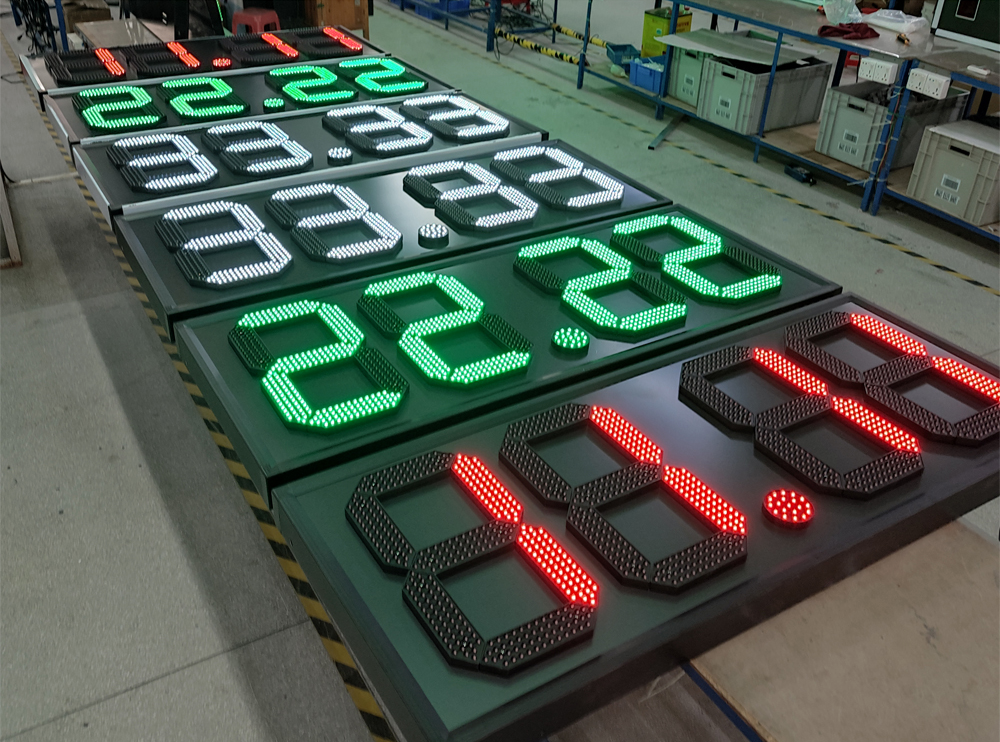
Weather resistance is a critical factor when selecting outdoor signage for fuel stations, particularly when it comes to protecting electronic displays from moisture infiltration. Gas station operators must carefully evaluate the ingress protection ratings of their digital signage to ensure reliable operation throughout heavy precipitation seasons. Understanding the relationship between IP ratings and real-world weather conditions helps determine the appropriate level of protection needed for continuous outdoor operation.
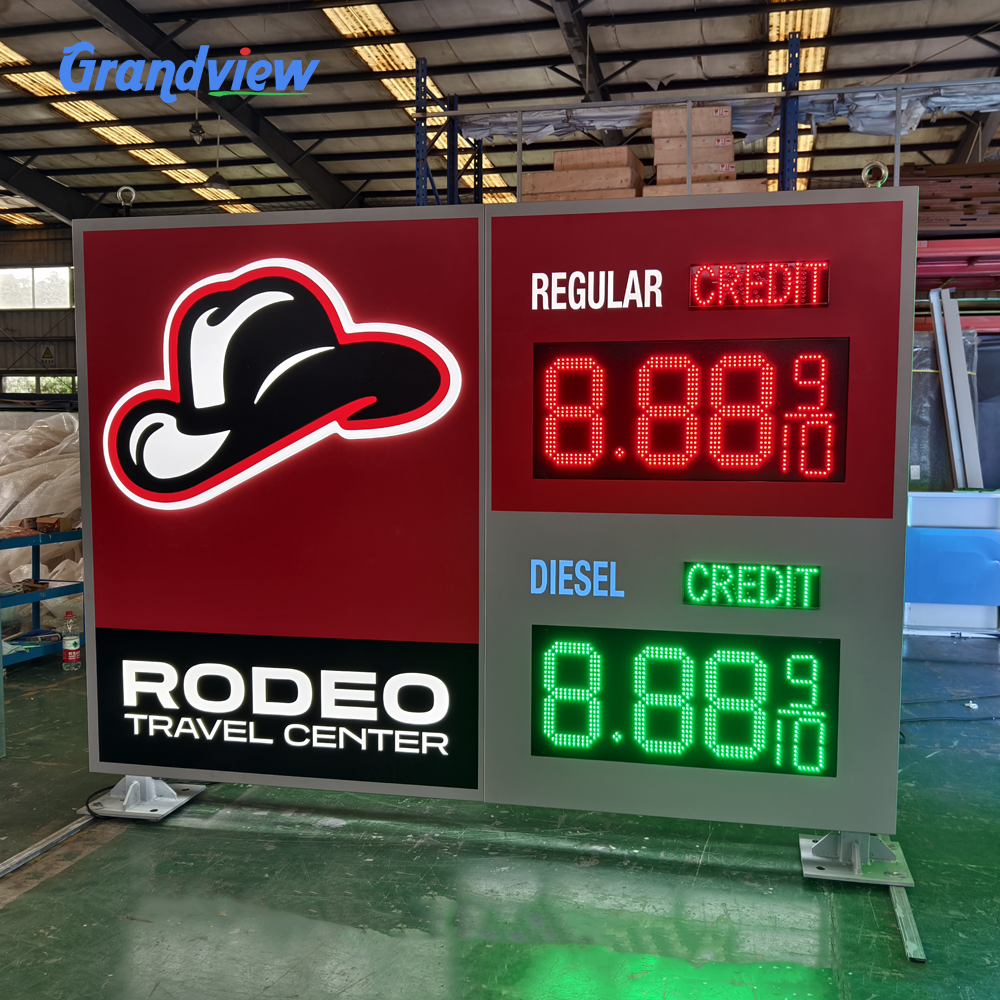
The effectiveness of weather sealing directly impacts the longevity and operational reliability of fuel pricing displays. Environmental factors such as driving rain, temperature fluctuations, and humidity levels create challenging conditions that require robust protection systems. Modern gas station signage incorporates advanced sealing technologies and materials designed to withstand prolonged exposure to harsh weather patterns without compromising display functionality or visibility.
Investment in appropriately rated signage systems reduces maintenance costs and prevents costly downtime during peak operational periods. Station owners who prioritize weather resistance often experience fewer service interruptions and extended equipment lifecycles. The selection process involves balancing protection requirements with budget considerations while ensuring compliance with local weather exposure standards.
Understanding IP Rating Classifications for Outdoor Signage
Decoding the Two-Digit IP System
The International Protection rating system uses a standardized two-digit format to communicate the level of protection against solid particles and liquid ingress. The first digit ranges from 0 to 6 and indicates protection against dust and solid objects, while the second digit ranges from 0 to 9 and specifies liquid protection levels. For outdoor applications, both digits play crucial roles in determining suitable environmental resistance.
Common outdoor signage applications typically require IP ratings between IP54 and IP66, depending on exposure severity and installation location. Higher numerical values indicate greater protection levels, with IP65 and IP66 providing excellent resistance against water jets and heavy rain conditions. Understanding these classifications helps operators select appropriate protection levels without over-specifying requirements that increase costs unnecessarily.
Critical Protection Levels for Gas Station Applications
Gas station environments present unique challenges that require careful consideration of protection requirements beyond standard outdoor applications. Fuel vapor exposure, temperature extremes from direct sunlight, and potential wash-down procedures create demanding operational conditions. The gas digital sign must maintain functionality while resisting chemical exposure and physical impacts from weather events.
Minimum recommended protection levels for fuel station signage typically start at IP54 for covered installations and increase to IP66 for fully exposed locations. These ratings ensure adequate protection against windblown rain, temperature cycling effects, and routine cleaning procedures. Higher protection levels may be necessary in coastal areas where salt spray creates additional corrosion concerns.
Heavy Rain Protection Requirements and Testing Standards
Rainfall Intensity Classifications and Impact Assessment
Heavy rainfall events vary significantly in intensity and duration, creating different stress levels on outdoor signage systems. Meteorological data classifies heavy rain as precipitation exceeding 10 millimeters per hour, with extreme events reaching 50 millimeters per hour or higher. These conditions generate substantial water pressure against vertical surfaces and create challenging sealing requirements for electronic enclosures.
Wind-driven rain increases the complexity of weather protection by directing moisture horizontally and upward against signage surfaces. Traditional downward drainage systems may prove inadequate during severe weather events when rain approaches from multiple angles. Effective protection systems must account for multi-directional water exposure and prevent accumulation in vulnerable areas such as cable entry points and mounting interfaces.
Laboratory Testing Methods for Water Resistance Validation
Standardized testing procedures simulate real-world rainfall conditions through controlled water spray applications at specified pressures and angles. IP65 testing involves water jets from any direction at 6.3 millimeters nozzle diameter with 12.5 liters per minute flow rate for three minutes per square meter of surface area. IP66 testing increases the intensity to 100 liters per minute at 12.5 millimeters nozzle diameter, representing more severe exposure conditions.
Temperature cycling tests complement water resistance evaluations by simulating thermal expansion and contraction effects on sealing systems. These combined stress tests reveal potential failure modes that might not appear under single-condition testing scenarios. Manufacturers conduct extended duration testing to validate long-term sealing effectiveness under repeated wet-dry cycles.
Seasonal Weather Considerations and Regional Requirements
Year-Round Exposure Challenges and Seasonal Variations
Continuous outdoor operation exposes gas digital sign systems to seasonal weather patterns that create cumulative stress on protection systems. Spring brings temperature fluctuations and frequent precipitation, summer introduces intense UV exposure and thermal cycling, autumn delivers wind-driven rain and debris accumulation, while winter adds freeze-thaw cycles and potential ice formation. Each season presents distinct challenges requiring comprehensive protection strategies.
Seasonal maintenance requirements vary based on local climate conditions and exposure severity. Regular inspection of sealing systems becomes particularly important during transition periods when temperature changes stress gasket materials and expansion joints. Proactive maintenance prevents minor seal degradation from developing into major water ingress problems during peak weather seasons.
Regional Climate Factors and Specification Adjustments
Geographic location significantly influences appropriate IP rating selection, with coastal regions requiring higher protection levels due to salt spray and increased humidity. Mountain locations face temperature extremes and potential hail damage, while desert areas deal with dust infiltration and extreme temperature swings. Regional weather data helps determine appropriate protection specifications for local operating conditions.
Microclimate considerations within individual installation sites affect protection requirements and mounting strategies. Factors such as building wind tunnels, drainage patterns, and proximity to water sources create localized conditions that may exceed regional averages. Site-specific assessments help optimize protection levels while avoiding unnecessary over-specification that increases project costs.
Installation and Maintenance Best Practices
Proper Mounting Techniques for Maximum Weather Resistance
Installation quality directly impacts the effectiveness of IP-rated enclosures and determines long-term weather resistance performance. Proper cable entry sealing requires appropriate grommet selection and sealing compound application to prevent water infiltration through connection points. Mounting hardware must provide adequate support while maintaining gasket compression and preventing water pooling around attachment points.
Drainage considerations during installation help prevent water accumulation that could compromise sealing systems over time. Strategic positioning of cable entries, ventilation ports, and mounting hardware ensures effective water shedding during rain events. Professional installation teams understand the critical relationship between mounting orientation and weather resistance effectiveness.
Preventive Maintenance Programs for Long-Term Reliability
Scheduled maintenance programs extend the operational life of weather sealing systems and prevent costly emergency repairs during severe weather periods. Regular inspection of gaskets, cable entries, and mounting hardware identifies potential issues before they compromise system integrity. Maintenance intervals typically range from quarterly visual inspections to annual detailed assessments depending on environmental exposure severity.
Replacement part availability and maintenance accessibility influence long-term operational costs and system reliability. Selecting gas digital sign systems with readily available sealing components and accessible service points reduces maintenance complexity and ensures prompt repairs when needed. Documentation of maintenance activities helps track sealing system performance and optimize replacement schedules.
Cost-Benefit Analysis of Enhanced Weather Protection
Initial Investment Considerations and Long-Term Value
Higher IP-rated signage systems typically require increased initial investment but deliver superior long-term value through reduced maintenance costs and extended operational life. The cost differential between IP54 and IP66 protection levels often represents a fraction of potential repair costs following water damage incidents. Economic analysis should consider total lifecycle costs rather than initial purchase price alone.
Downtime costs associated with weather-related failures often exceed the incremental investment required for enhanced protection ratings. Gas station operations depend on continuous price display functionality, making reliability a critical factor in protection level selection. Business impact assessments help quantify the value of enhanced weather resistance in operational terms.
Risk Assessment and Insurance Considerations
Weather-related damage patterns provide valuable insights for risk assessment and protection level determination. Historical data on signage failures, repair costs, and downtime incidents help establish baseline risk levels for different protection specifications. Insurance considerations may influence protection requirements and affect premium calculations for property coverage.
Risk mitigation strategies balance protection costs against potential failure consequences and business interruption impacts. Comprehensive risk assessments consider multiple failure scenarios and their associated costs to optimize protection investments. Regular review of risk factors helps maintain appropriate protection levels as operating conditions change over time.
FAQ
What IP rating is recommended for gas station digital signs exposed to heavy rain?
For gas station digital signs exposed to heavy rain, IP65 or IP66 ratings are recommended to provide adequate protection against water ingress from any direction. IP65 protects against water jets, while IP66 offers protection against powerful water jets, making it suitable for areas with severe weather conditions. These ratings ensure reliable operation during heavy rainfall and wind-driven precipitation.
How often should weather seals be inspected on outdoor gas price signs?
Weather seals should be visually inspected quarterly and receive detailed assessment annually, with increased frequency in harsh environments. Regular inspection helps identify gasket deterioration, cable entry seal degradation, and mounting hardware loosening before they compromise weather protection. Preventive maintenance schedules should be adjusted based on local climate conditions and observed wear patterns.
Can lower IP-rated signs be upgraded to handle heavier rain exposure?
Lower IP-rated signs cannot typically be upgraded to achieve higher protection levels due to fundamental design differences in sealing systems, enclosure construction, and cable entry methods. Retrofitting existing signage with enhanced weather protection often proves more expensive than replacement with appropriately rated equipment. It is more cost-effective to specify adequate protection levels during initial purchase rather than attempt upgrades later.
What additional factors besides IP rating affect rain resistance in gas digital signs?
Beyond IP ratings, factors affecting rain resistance include installation quality, drainage design, cable entry sealing, gasket materials, mounting hardware corrosion resistance, and maintenance frequency. Proper installation techniques, high-quality sealing compounds, and strategic positioning significantly impact long-term weather resistance performance. Environmental factors such as temperature cycling, UV exposure, and chemical contamination also influence sealing system durability.
Table of Contents
- Understanding IP Rating Classifications for Outdoor Signage
- Heavy Rain Protection Requirements and Testing Standards
- Seasonal Weather Considerations and Regional Requirements
- Installation and Maintenance Best Practices
- Cost-Benefit Analysis of Enhanced Weather Protection
-
FAQ
- What IP rating is recommended for gas station digital signs exposed to heavy rain?
- How often should weather seals be inspected on outdoor gas price signs?
- Can lower IP-rated signs be upgraded to handle heavier rain exposure?
- What additional factors besides IP rating affect rain resistance in gas digital signs?