
 EN
EN

Gas station operators often wonder whether implementing dynamic pricing displays could potentially drive away cost-conscious customers. The psychology behind consumer behavior at fuel stations involves complex decision-making processes that extend beyond simple price comparison. Modern drivers have become increasingly sophisticated in their purchasing habits, utilizing mobile apps and digital tools to locate the most competitive fuel prices in their area. However, the visibility and clarity of pricing information remains a crucial factor in attracting customers to your location.
Understanding Consumer Psychology at Gas Stations
Price Sensitivity and Decision Making
Consumer behavior research indicates that fuel purchasers generally fall into distinct categories based on their price sensitivity levels. Highly price-sensitive customers typically represent approximately thirty-five percent of the market and will actively seek out the lowest prices within a reasonable driving distance. These consumers often rely on smartphone applications and online platforms to identify cost-effective fueling options before making their purchasing decisions. Understanding this demographic helps station operators make informed choices about their pricing display strategies.
Moderately price-sensitive customers comprise another significant portion of the market, accounting for roughly forty percent of fuel purchasers. This group considers price as an important factor but balances cost considerations with convenience, location accessibility, and service quality. They may notice price differences but are less likely to drive significantly out of their way for marginal savings. These customers often appreciate clear, visible pricing information that allows them to make quick decisions without extensive research.
Impulse Buying and Convenience Factors
The remaining twenty-five percent of customers prioritize convenience over price optimization, frequently purchasing fuel based on location proximity, brand loyalty, or immediate necessity. These consumers typically exhibit less price sensitivity and focus more on factors such as pump availability, payment options, and associated amenities like convenience stores or car washes. For this demographic, clear and professional-looking price displays can actually enhance their confidence in the establishment's credibility and service quality.
Research has shown that impulse purchasing behavior at gas stations extends beyond fuel to include convenience store items, car maintenance products, and food services. Customers who feel comfortable with the pricing transparency often spend additional money on supplementary products and services. This cross-selling opportunity can significantly offset any potential revenue loss from competitive pricing strategies, making transparent pricing displays a valuable investment for comprehensive business growth.
Digital Display Technology Impact on Customer Behavior
Visibility and Readability Advantages
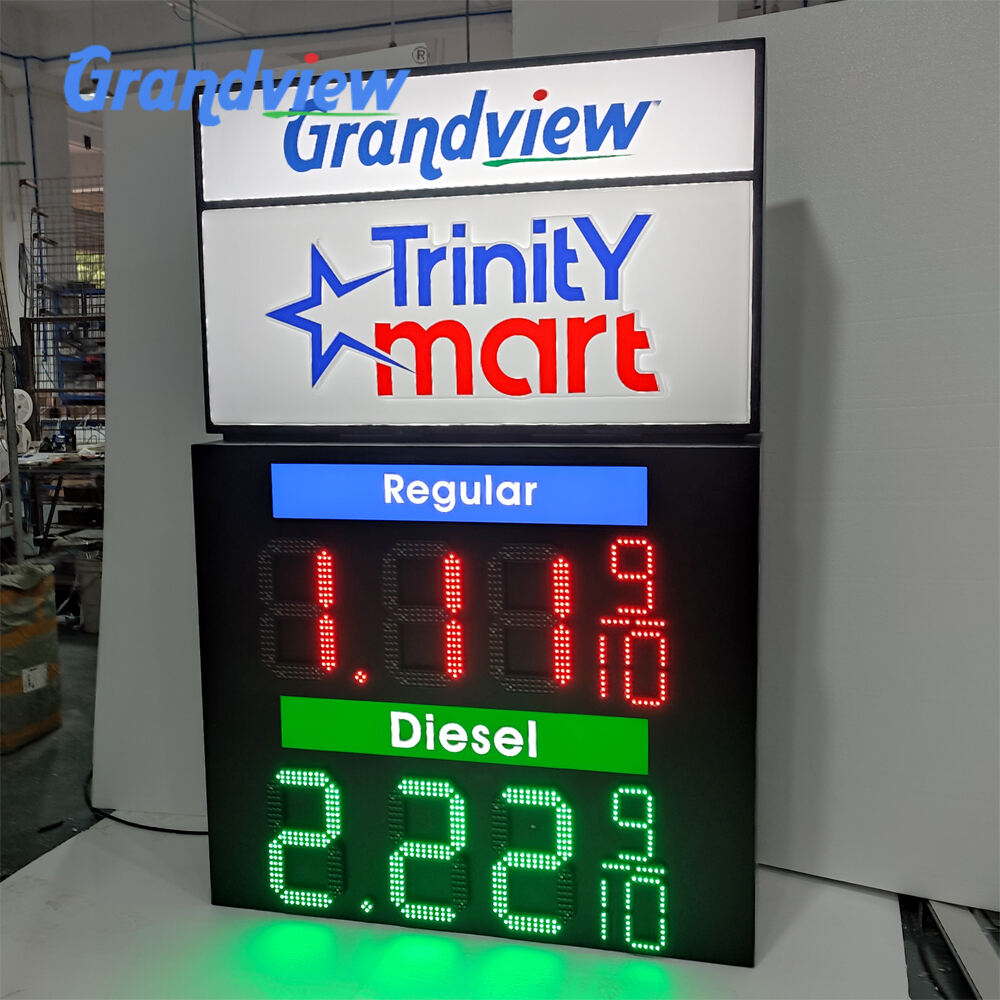
Modern LED technology has revolutionized how gas stations communicate pricing information to potential customers. High-brightness displays ensure excellent visibility during both daylight and nighttime hours, reducing the likelihood that customers will miss or misread price information. This improved visibility can actually attract price-sensitive customers who appreciate being able to quickly and accurately assess fuel costs from a distance. Clear communication of pricing builds trust and reduces the anxiety that some consumers experience when approaching unfamiliar fuel stations.
The precision offered by gas digital sign technology eliminates common issues associated with traditional mechanical displays, such as stuck digits or unclear pricing information. When customers can easily read and understand pricing from multiple angles and distances, they are more likely to enter the station property and complete their purchase. This accessibility factor particularly benefits elderly customers or those with visual impairments who may struggle with older display technologies.
Real-Time Price Updates and Market Responsiveness
Digital pricing systems enable gas station operators to respond quickly to market fluctuations and competitive pressures without manual intervention or significant labor costs. This responsiveness allows stations to implement dynamic pricing strategies that can actually attract price-sensitive customers during low-demand periods or when wholesale costs decrease. The ability to adjust prices multiple times throughout the day ensures that stations remain competitive while maximizing profitability during peak demand hours.
The speed and efficiency of digital price changes also reduce the operational disruptions that occur with manual price updates. Employees can focus on customer service and facility maintenance rather than climbing ladders to change individual price digits multiple times per day. This operational efficiency often translates into better overall customer experiences, as staff members are more available to assist with questions, process transactions, and maintain clean facilities that appeal to all customer segments.
Strategic Pricing Display Considerations
Competitive Positioning Through Technology
Gas station operators can leverage advanced digital display systems to communicate value propositions that extend beyond basic fuel pricing. Multi-line displays can highlight promotional offers, loyalty program benefits, or service differentiators that appeal to various customer segments simultaneously. Price-sensitive customers appreciate promotional pricing information, while convenience-focused customers value service announcements and facility amenities. This multi-layered communication approach maximizes the appeal of the station across diverse customer demographics.
The professional appearance of modern LED pricing displays can enhance the perceived quality and reliability of a gas station brand. Customers often associate updated technology with better maintenance, fresher fuel, and superior service standards. This positive brand association can justify slightly higher prices for customers who prioritize quality and reliability over absolute lowest cost. The investment in quality signage technology often pays dividends through increased customer confidence and repeat business patterns.
Integration with Marketing and Loyalty Programs
Digital pricing displays provide excellent opportunities for integrating loyalty program information and promotional messaging directly into the customer's decision-making process. Displaying member pricing alongside regular pricing can encourage enrollment in loyalty programs while clearly communicating value to existing members. This transparency helps retain price-sensitive customers by demonstrating ongoing value through membership benefits while attracting new customers who appreciate the clear value proposition.
Marketing research indicates that customers respond positively to promotional messaging that appears integrated and professional rather than temporary or makeshift. Digital displays can seamlessly incorporate time-sensitive promotions, seasonal offers, or partnership discounts without compromising the clean, professional appearance of the pricing information. This integration capability allows operators to maximize promotional effectiveness while maintaining the trust and confidence of their customer base.
Implementation Best Practices for Digital Price Displays
Optimal Display Configuration and Positioning
Proper installation and configuration of digital pricing displays significantly impact their effectiveness in attracting and retaining customers across all price sensitivity levels. Display positioning should maximize visibility from multiple approach angles while ensuring compliance with local signage regulations and safety requirements. The height, angle, and orientation of displays directly affect readability distance and customer decision-making timeframes, particularly for price-sensitive customers who may be comparing multiple nearby options.
Font size, color contrast, and digit spacing require careful consideration to ensure optimal readability under various lighting conditions and weather circumstances. Green digits on black backgrounds have proven most effective for fuel pricing displays due to their high contrast ratio and traditional association with fuel pricing in consumer psychology. Proper spacing between digits prevents misreading of prices, which can lead to customer dissatisfaction and potential legal compliance issues in regulated markets.
Maintenance and Reliability Considerations
Regular maintenance schedules ensure that digital pricing displays continue operating reliably and maintain their professional appearance over extended periods. Preventive maintenance reduces the likelihood of display failures during peak business hours when customer traffic is highest and competitive pressures are most significant. Price-sensitive customers particularly appreciate consistent, reliable pricing information that they can depend on when planning their fuel purchases and budgeting decisions.
Weather protection and environmental durability features are essential considerations for outdoor digital signage installations. Temperature extremes, moisture, and UV exposure can significantly impact display longevity and readability if not properly addressed during the selection and installation process. Investing in quality environmental protection ensures that pricing displays continue operating effectively regardless of seasonal conditions, maintaining customer accessibility and business continuity throughout the year.
Measuring Customer Response and Business Impact
Analytics and Performance Tracking
Modern digital pricing systems often include data collection capabilities that allow operators to track customer response patterns and optimize pricing strategies based on actual behavior rather than assumptions. Traffic flow analysis, conversion rates, and average transaction values provide valuable insights into how different customer segments respond to various pricing approaches and display configurations. This data-driven approach enables continuous improvement in customer attraction and retention strategies.
Seasonal variations in customer behavior and price sensitivity can be tracked and analyzed to develop more sophisticated pricing strategies that maximize profitability while maintaining competitive positioning. Understanding how different weather conditions, economic factors, and local events impact customer behavior allows operators to proactively adjust their approach rather than merely reacting to competitive pressures or market changes.
Return on Investment Analysis
Calculating the financial impact of digital pricing display investments requires consideration of multiple revenue streams and cost factors beyond simple fuel sales volumes. Increased customer traffic often translates into higher convenience store sales, car wash utilization, and other ancillary revenue opportunities that can significantly improve overall profitability. Price-sensitive customers who initially visit for competitive fuel pricing frequently become regular customers who appreciate the transparency and professionalism of well-maintained facilities.
Operational cost savings from automated price changes, reduced labor requirements, and improved accuracy in pricing updates contribute to the overall return on investment for digital display systems. These efficiency gains allow staff to focus on customer service improvements and facility maintenance activities that enhance the overall customer experience and encourage repeat visits across all customer segments.
FAQ
Do digital gas price signs actually deter price-sensitive customers?
Research indicates that digital gas price signs do not deter price-sensitive customers when properly implemented. In fact, the improved visibility and clarity of digital displays often attract price-conscious consumers who appreciate being able to quickly and accurately assess fuel costs from a distance. The key is ensuring that pricing remains competitive and that the technology is used to enhance transparency rather than obscure pricing information.
How often should gas stations update their digital price displays?
Most successful gas stations update their digital prices 2-4 times daily based on wholesale cost fluctuations, competitive positioning, and demand patterns. However, the ability to change prices instantly allows operators to respond immediately to competitive pressures or wholesale cost changes. The frequency of updates should balance competitiveness with customer expectations for price stability during their visit.
What are the main technical requirements for reliable gas station digital signs?
Reliable gas station digital signs require high-brightness LED technology rated for outdoor use, weatherproof enclosures, temperature compensation systems, and redundant power supplies. The displays should be visible from at least 500 feet during daylight hours and include automatic brightness adjustment for nighttime visibility. Professional installation and regular maintenance schedules are essential for long-term reliability and customer satisfaction.
Can digital pricing displays help increase overall station profitability beyond fuel sales?
Yes, digital pricing displays often contribute to increased overall profitability through improved customer traffic, enhanced cross-selling opportunities, and operational efficiency gains. Customers who trust the pricing transparency frequently spend more on convenience items, and the professional appearance of quality signage can justify premium pricing for services. Additionally, automated price management reduces labor costs and improves pricing accuracy, contributing to better profit margins.
Table of Contents
- Understanding Consumer Psychology at Gas Stations
- Digital Display Technology Impact on Customer Behavior
- Strategic Pricing Display Considerations
- Implementation Best Practices for Digital Price Displays
- Measuring Customer Response and Business Impact
-
FAQ
- Do digital gas price signs actually deter price-sensitive customers?
- How often should gas stations update their digital price displays?
- What are the main technical requirements for reliable gas station digital signs?
- Can digital pricing displays help increase overall station profitability beyond fuel sales?