
 EN
EN
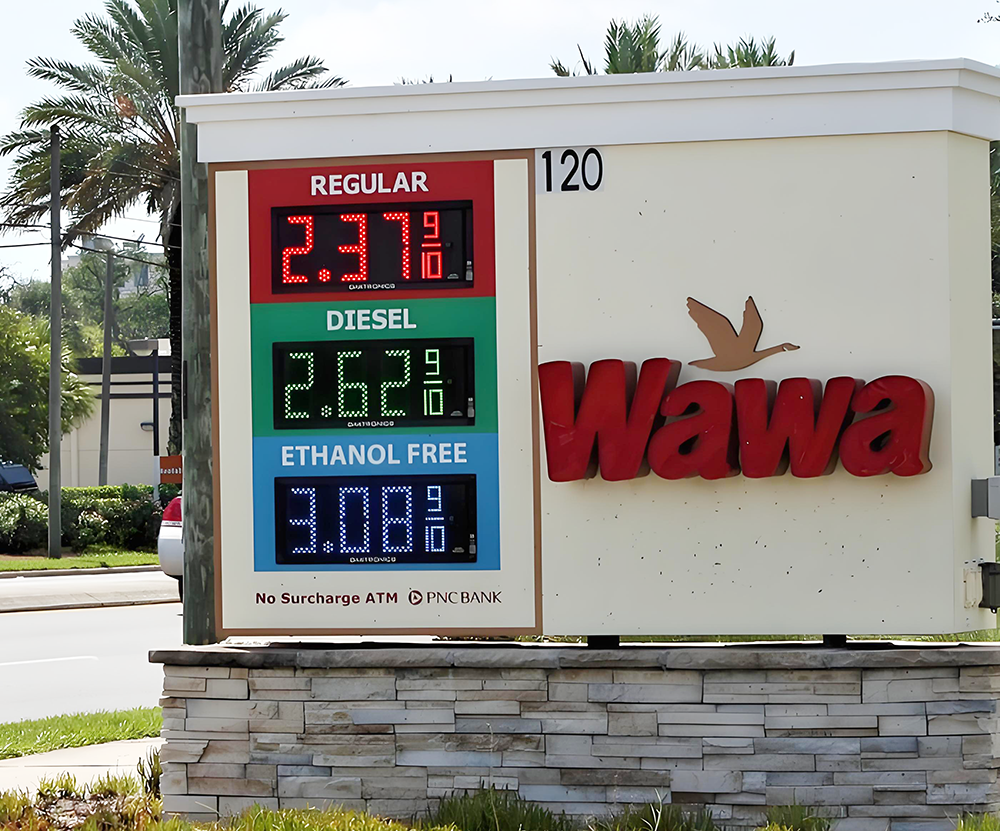
LED price displays have revolutionized how businesses communicate pricing information to customers, but environmental challenges like moisture and humidity can significantly impact their performance. When examining why some led price boards fog up during rainy weather while others maintain crystal-clear visibility, several critical design and manufacturing factors come into play. Understanding these differences helps business owners make informed decisions when investing in outdoor digital signage solutions for their establishments.
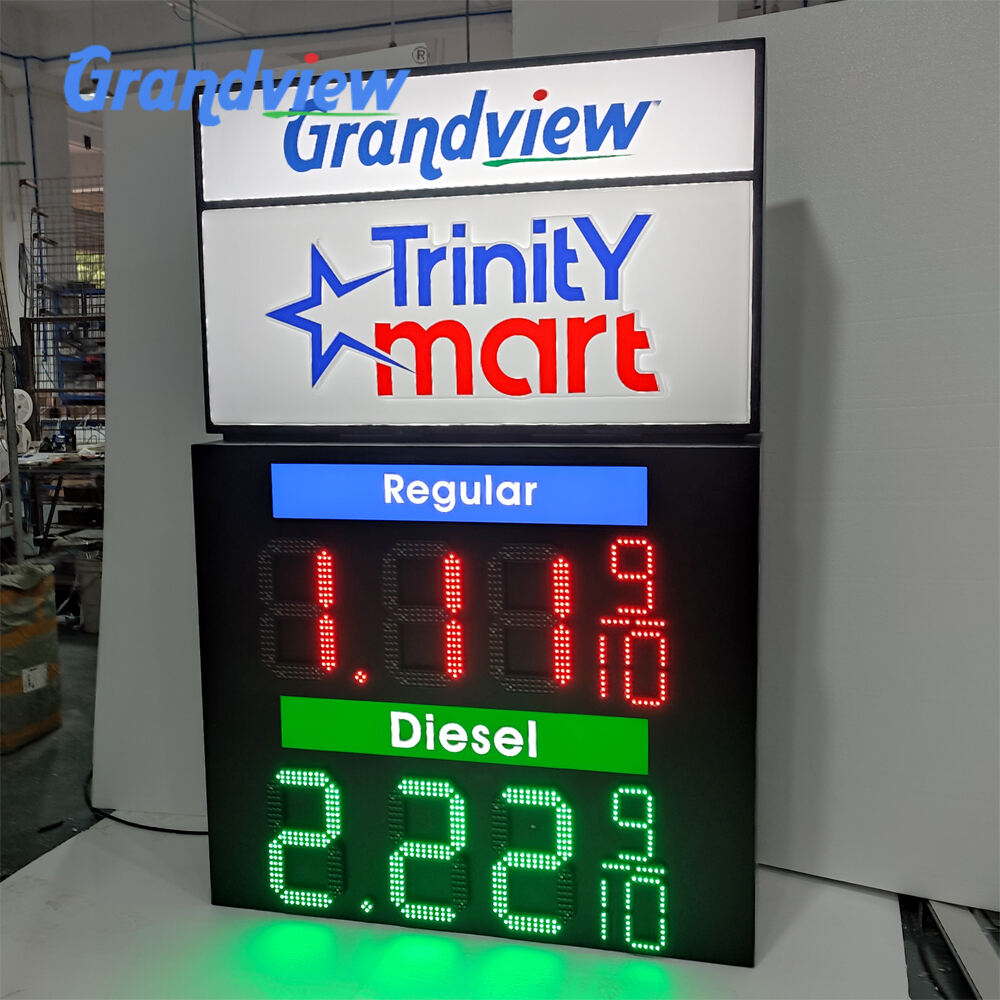
The phenomenon of fogging occurs when temperature differentials create condensation between the display surface and protective cover. Quality led price boards incorporate advanced sealing mechanisms and moisture-resistant materials that prevent this issue. Professional-grade displays feature multi-layered protection systems that maintain optimal internal conditions regardless of external weather patterns, ensuring consistent readability and professional appearance throughout various seasonal conditions.
Environmental Sealing Technologies in Digital Price Displays
Advanced Gasket Systems and Waterproof Ratings
Professional led price boards utilize sophisticated gasket systems engineered specifically for outdoor applications. These systems typically achieve IP65 or higher waterproof ratings, meaning they can withstand direct water jets and complete dust protection. The gasket materials used in premium displays often include EPDM rubber or silicone compounds that maintain flexibility across wide temperature ranges while providing superior moisture barriers.
Lower-quality displays may use basic rubber seals that deteriorate quickly under UV exposure and temperature cycling. This degradation creates microscopic gaps where moisture can infiltrate, leading to internal condensation and fogging issues. High-end led price boards incorporate multiple redundant sealing layers, including primary gaskets, secondary weather barriers, and internal moisture management systems that work together to prevent water intrusion.
Internal Climate Control Mechanisms
Superior led price boards feature internal climate control systems that actively manage humidity levels within the display enclosure. These systems may include desiccant packets, internal heating elements, or active ventilation systems that maintain optimal internal conditions. The heating elements serve dual purposes: they prevent condensation formation and ensure consistent LED performance across varying temperature ranges.
Some advanced displays incorporate smart temperature monitoring systems that automatically adjust internal heating based on ambient conditions and detected humidity levels. This intelligent approach prevents both condensation formation and unnecessary energy consumption, extending the operational life of internal components while maintaining clear visibility in all weather conditions.
Material Quality and Construction Standards
Front Panel Materials and Optical Properties
The front panel material significantly impacts fog resistance in led price boards. Premium displays utilize high-grade polycarbonate or tempered glass with anti-fog coatings that prevent moisture accumulation. These materials possess superior thermal properties that minimize temperature differentials between internal and external surfaces, reducing condensation potential.
Budget displays often use basic acrylic or thin polycarbonate without specialized coatings, making them susceptible to fogging. The optical clarity of these materials also degrades over time when exposed to UV radiation and thermal cycling, further compromising visibility during adverse weather conditions. Professional-grade led price boards maintain their optical properties through advanced material selection and specialized surface treatments.
Internal Component Protection and Ventilation
Quality led price boards incorporate sophisticated internal ventilation systems that prevent moisture buildup while maintaining weatherproof integrity. These systems use pressure equalization membranes that allow air circulation without permitting water ingress. The internal layout of premium displays also includes moisture drainage channels and component isolation to prevent humidity from affecting sensitive electronics.
Manufacturing standards for professional displays include rigorous testing protocols that simulate extreme weather conditions, including rapid temperature changes, high humidity, and direct water exposure. These tests ensure that led price boards maintain clear visibility and reliable operation throughout their intended service life, typically spanning 10-15 years for premium units.
Design Engineering for Weather Resistance
Thermal Management and Heat Distribution
Effective thermal management is crucial for preventing fogging in led price boards. Professional displays incorporate heat distribution systems that maintain uniform internal temperatures, preventing hot spots that could create condensation zones. These systems often include aluminum heat sinks, thermal interface materials, and strategic airflow patterns that optimize heat dissipation.
The LED array design itself contributes to thermal management, with high-quality displays using optimized current distribution and heat-spreading substrates. This approach ensures that the LED elements operate within their optimal temperature ranges while generating sufficient heat to prevent internal condensation without creating excessive hot spots that could damage other components.
Structural Integrity and Mounting Systems
Professional led price boards feature robust structural designs that maintain their sealing integrity under mechanical stress from wind loads, temperature expansion, and mounting forces. The housing materials typically include powder-coated aluminum or marine-grade stainless steel that resists corrosion and maintains dimensional stability across temperature ranges.
Mounting systems for quality displays include vibration isolation and thermal expansion accommodation to prevent seal failure. These engineering considerations ensure that environmental stresses do not compromise the weatherproof integrity that prevents fogging and moisture intrusion. Professional installation practices also contribute significantly to long-term performance by ensuring proper sealing and drainage.
Maintenance Requirements and Longevity Factors
Preventive Maintenance Protocols
Even the highest-quality led price boards benefit from regular maintenance to ensure continued fog resistance and optimal performance. Professional maintenance protocols include periodic inspection of sealing systems, cleaning of drainage ports, and verification of internal climate control functions. These procedures help identify potential issues before they result in fogging or visibility problems.
Maintenance schedules for premium led price boards typically require less frequent service compared to budget alternatives, thanks to superior component quality and design engineering. However, environmental factors such as salt air, industrial pollutants, or extreme temperature variations may necessitate more frequent inspection and maintenance to preserve optimal performance.
Component Replacement and Upgrade Considerations
Quality led price boards are designed with serviceable components that allow for cost-effective maintenance and upgrades without compromising weatherproof integrity. This modular approach enables replacement of wearing items such as gaskets, desiccants, or LED modules while maintaining the overall system's fog resistance capabilities.
The availability of replacement parts and technical support varies significantly between manufacturers, with professional-grade suppliers typically offering comprehensive support throughout the product lifecycle. This ongoing support ensures that led price boards continue to perform optimally and resist fogging even after years of outdoor exposure.
Performance Comparison and Selection Criteria
Evaluating Fog Resistance Specifications
When comparing led price boards for fog resistance, several technical specifications provide insight into their weather performance capabilities. IP ratings, operating temperature ranges, and humidity specifications offer objective measures of environmental resistance. Professional displays typically specify continuous operation in 95% relative humidity conditions without internal condensation.
Warranty terms often reflect manufacturer confidence in fog resistance capabilities, with premium led price boards offering comprehensive weather-related coverage spanning multiple years. These warranties typically cover performance degradation due to moisture intrusion, internal condensation, or seal failure, providing additional assurance of long-term reliability.
Cost-Benefit Analysis for Different Applications
The investment in fog-resistant led price boards varies significantly based on application requirements and environmental conditions. Gas stations, convenience stores, and other businesses operating in humid climates benefit substantially from premium displays that maintain clear visibility regardless of weather conditions. The additional upfront cost is typically justified by reduced maintenance expenses and improved customer experience.
Businesses in moderate climates may find that mid-range led price boards provide adequate fog resistance at lower initial cost, while those in extremely humid or coastal environments should prioritize premium displays with advanced sealing and climate control systems. The total cost of ownership analysis should include maintenance requirements, expected service life, and potential revenue impact from poor visibility during adverse weather.
FAQ
What causes led price boards to fog up during rainy weather
Led price boards fog up when moisture infiltrates the display enclosure and condenses on the inner surface of the front panel. This occurs due to temperature differentials between the internal electronics and external environment, particularly when warm, humid air contacts cooler surfaces. Poor sealing systems, inadequate thermal management, and low-quality materials contribute to this problem.
How can I tell if my led price board has adequate fog resistance
Quality led price boards with proper fog resistance typically carry IP65 or higher ratings and specify continuous operation in high humidity conditions. They should maintain clear visibility during and after rain events without internal condensation. Professional displays often include warranties covering weather-related performance issues and feature robust construction with multiple sealing layers.
Are there retrofit solutions for existing displays that fog up
While some improvements are possible, such as replacing gaskets or adding desiccants, most fogging issues require fundamental design changes that are not economically viable as retrofits. The most effective solution is typically replacement with properly designed fog-resistant led price boards that incorporate appropriate sealing systems and thermal management from the outset.
How often do fog-resistant led price boards require maintenance
Professional-grade fog-resistant led price boards typically require annual inspections with more detailed maintenance every 2-3 years, depending on environmental conditions. Maintenance includes checking seals, cleaning drainage systems, and verifying climate control functions. Harsh environments may require more frequent service, while moderate climates may extend maintenance intervals for premium displays.