
 EN
EN
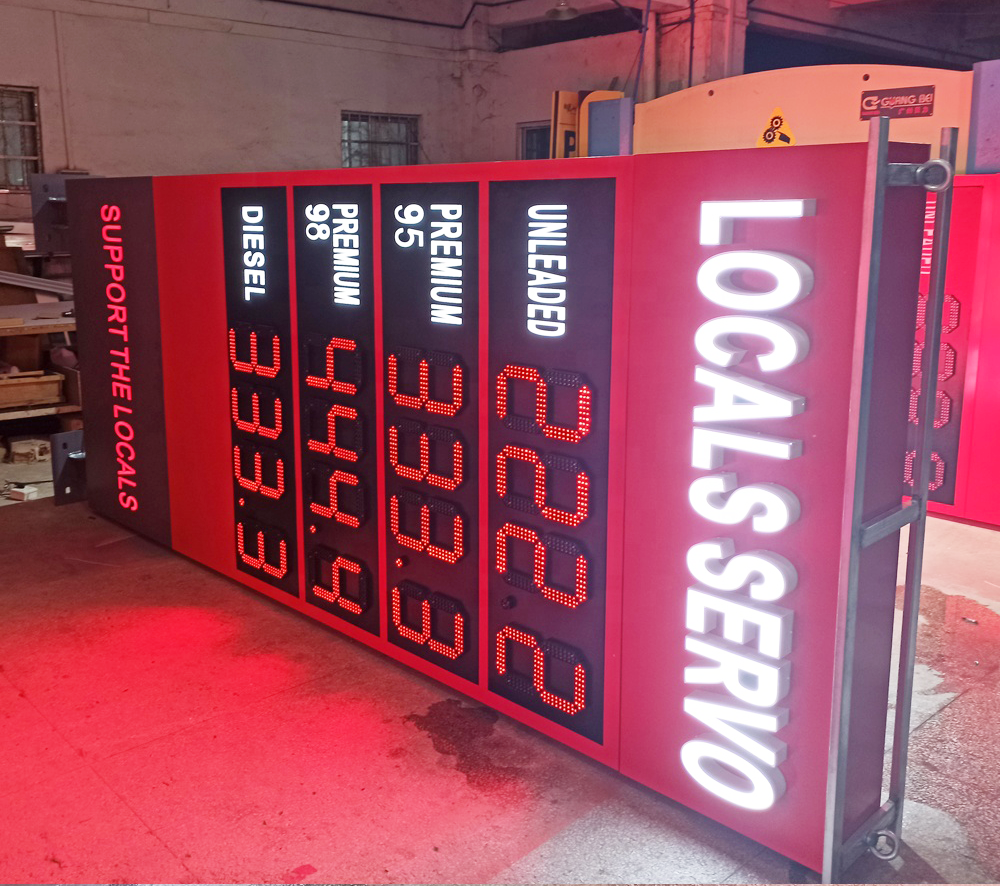
When gas stations relocate or undergo major renovations, one of the most common questions operators face is whether their existing signage can be repurposed at the new location. The answer depends on several factors including the condition of the current gas station sign, local regulations, brand requirements, and the structural compatibility with the new site. Understanding these considerations can help station owners make informed decisions about their signage investments and potentially save thousands of dollars in replacement costs.

Evaluating the Physical Condition of Your Existing Gas Station Sign
Structural Integrity Assessment
Before considering relocation, a thorough structural evaluation of your gas station sign is essential. Professional sign technicians should inspect the framework, mounting systems, and electrical components to determine if the structure can withstand disassembly and reinstallation. Signs that have been exposed to harsh weather conditions for extended periods may show signs of metal fatigue, corrosion, or weakened joints that could compromise safety during the relocation process.
The foundation and mounting hardware also require careful examination. Pylon signs and freestanding structures often have custom foundation requirements that may not align with the new site's specifications. Additionally, the age of the gas station sign plays a crucial role in determining its viability for reuse, as older signs may not meet current structural codes or safety standards required by modern installations.
Electrical and Digital Display Considerations
Modern gas station signs frequently incorporate LED displays, digital price boards, and sophisticated lighting systems that require specialized handling during relocation. The electrical components must be carefully documented and protected during disassembly to ensure proper functionality at the new location. Older analog displays or neon lighting may face compatibility issues with newer electrical systems at the relocated site.
Digital pricing displays and programmable message boards within the gas station sign system often require specific software configurations and network connections that may need to be reconfigured for the new location. Working with qualified electrical contractors who understand petroleum industry signage requirements is crucial for maintaining operational continuity during the transition.
Regulatory Compliance and Permit Requirements
Local Zoning and Building Code Compliance
Municipal regulations governing commercial signage vary significantly between locations, and a gas station sign that was compliant at the original site may not meet the requirements of the new location. Height restrictions, setback requirements, and illumination standards differ from one jurisdiction to another. Before planning a sign relocation, operators must research the specific zoning ordinances and building codes that will apply to their new site.
Environmental regulations also play a role in gas station sign installations, particularly regarding light pollution, energy efficiency standards, and wildlife protection measures. Some municipalities have implemented strict dark-sky ordinances that limit the brightness and operating hours of illuminated signage, which could require modifications to existing sign systems before they can be relocated and reused.
Permit Application and Approval Process
Installing a relocated gas station sign typically requires new permits, even when reusing existing signage components. The permit application process often includes submitting detailed engineering drawings, structural calculations, and compliance documentation that demonstrates the sign meets current safety standards. This process can take several weeks or months, depending on the complexity of the installation and local government processing times.
Building departments may require updated wind load calculations, seismic compliance certifications, and electrical permits for relocated signs. Working with experienced sign contractors who understand local permitting processes can streamline approvals and prevent costly delays during the relocation timeline.
Brand Standards and Corporate Identity Requirements
Franchise and Corporate Branding Guidelines
Major fuel retailers maintain strict branding standards that dictate the appearance, dimensions, and specifications of their gas station sign installations. These brand guidelines may have evolved since the original sign was installed, potentially requiring updates or modifications to maintain compliance with current corporate identity standards. Franchise agreements often include specific requirements for signage that must be met regardless of whether the sign is new or relocated.
Color specifications, logo placement, and dimensional requirements for gas station sign installations are frequently updated by petroleum companies to maintain consistent brand presentation across their retail networks. Operators should consult with their brand representatives before planning sign relocations to ensure continued compliance with corporate standards and avoid potential franchise violations.
Technology Integration and Modern Features
Contemporary gas station sign systems often incorporate advanced features such as remote price management, integrated security cameras, and wireless connectivity for real-time updates. Older signs may lack these technological capabilities, requiring significant upgrades during the relocation process to meet current operational standards and customer expectations.
The integration of modern payment systems, loyalty program displays, and promotional messaging capabilities within gas station sign installations has become increasingly important for competitive positioning in the retail fuel market. Evaluating whether existing signage can accommodate these technological enhancements is crucial for long-term operational success.
Cost Analysis and Financial Considerations
Relocation Expenses vs. New Installation Costs
The financial analysis of relocating a gas station sign involves multiple cost factors including disassembly, transportation, storage, refurbishment, and reinstallation expenses. Professional sign removal requires specialized equipment and experienced technicians to prevent damage during the process. Transportation costs depend on the size and weight of the sign components, with oversized loads potentially requiring special permits and escort vehicles.
Storage considerations also impact the overall cost equation, particularly if there are delays between site closure and the new location's readiness for installation. Climate-controlled storage may be necessary to protect electronic components and prevent deterioration of materials during extended storage periods. Refurbishment costs can vary significantly depending on the condition of the existing gas station sign and the extent of updates required for compliance with current standards.
Long-term Value and Return on Investment
While relocating an existing gas station sign may offer initial cost savings compared to purchasing new signage, operators must consider the long-term value proposition. Older signs may have shorter remaining lifespans, potentially requiring replacement sooner than new installations. Maintenance costs for relocated signs can also be higher due to wear from the relocation process and the age of existing components.
Energy efficiency considerations play an increasingly important role in operating cost calculations for gas station sign installations. Newer LED lighting systems and digital displays offer significant energy savings compared to older technologies, potentially offsetting the higher initial investment in new signage through reduced utility costs over time.
Implementation Planning and Project Management
Timeline Coordination and Site Preparation
Successful gas station sign relocation requires careful coordination between site closure at the original location and preparation activities at the new site. Foundation work, utility connections, and permit approvals must be completed before the relocated sign can be installed. Weather conditions and seasonal factors can also impact the relocation timeline, particularly for large pylon signs that require crane operations for installation.
Coordination with utility companies for electrical service connections and any required underground utility relocations should begin well in advance of the planned installation date. Gas station sign installations often require significant electrical capacity and specialized metering arrangements that may have longer lead times for utility company coordination and approval.
Professional Service Provider Selection
Choosing qualified contractors with specific experience in gas station sign relocation is critical for project success. The specialized nature of petroleum retail signage requires understanding of industry-specific regulations, safety requirements, and operational considerations that general sign contractors may not possess. Verifying contractor licensing, insurance coverage, and previous experience with similar relocations helps ensure professional execution of the project.
Establishing clear contractual terms for the relocation project should include warranties on relocated components, timeline commitments, and provisions for addressing any damage or compatibility issues that arise during the process. Regular communication and progress monitoring throughout the relocation project helps identify and resolve potential issues before they impact the overall timeline or budget.
FAQ
How long does it typically take to relocate a gas station sign?
The timeline for relocating a gas station sign varies depending on the complexity of the installation, permit approval processes, and site preparation requirements. Simple relocations with minimal refurbishment can take 4-6 weeks, while complex projects involving significant updates or challenging site conditions may require 8-12 weeks or longer. Permit approval timelines are often the longest variable in the process, potentially adding several weeks to the overall schedule.
Are there any warranty considerations when reusing an existing gas station sign?
Relocated gas station sign components typically have limited warranty coverage compared to new installations. Original manufacturer warranties are usually voided by the relocation process, though some contractors may provide limited warranties on their installation work and any refurbishment activities. Electronic components and digital displays are particularly vulnerable to damage during relocation, making extended warranty coverage an important consideration for risk management.
What happens if the relocated gas station sign doesn't meet current building codes?
If a relocated gas station sign fails to meet current building codes or local ordinances, modifications or upgrades will be required before installation can proceed. This may involve structural reinforcements, updated electrical systems, or changes to lighting configurations. In some cases, the cost of bringing an older sign into compliance may exceed the expense of purchasing new signage, making replacement the more economical option.
Can digital pricing displays be easily transferred to a new location?
Digital pricing displays within gas station sign systems can typically be relocated successfully with proper handling and professional installation. However, software configurations, network connections, and integration with point-of-sale systems may require reconfiguration for the new location. Compatibility with existing fuel dispensers and back-office systems should be verified before planning the relocation to avoid operational disruptions.