
 EN
EN
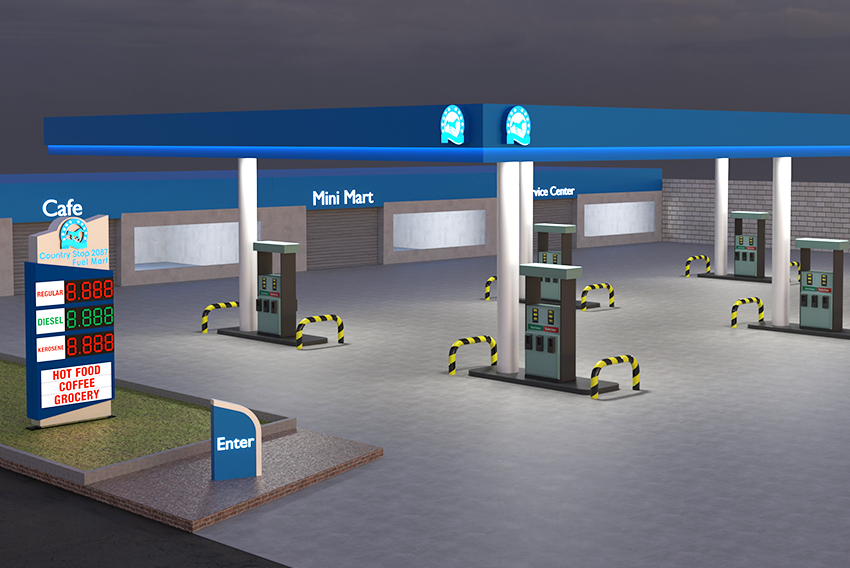
The effectiveness of a gas station sign depends heavily on its ability to attract customers during both daylight and nighttime hours. Modern gas station owners face the critical decision of whether to invest in separate day and night designs or opt for a unified approach that works around the clock. Understanding the visual dynamics, customer behavior patterns, and technological solutions available can help determine the most cost-effective strategy for maximizing your gas station sign's impact throughout all operating hours.
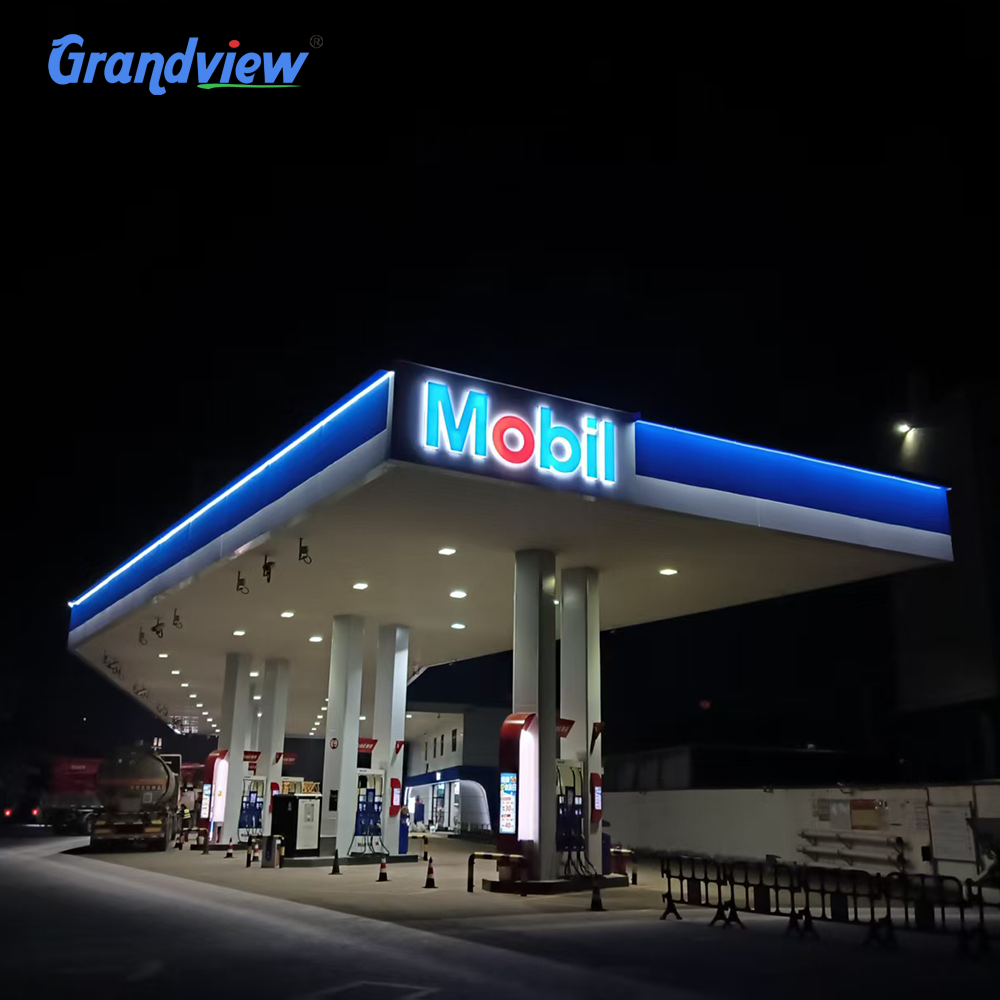
Understanding Day and Night Visibility Challenges
Daytime Visual Requirements for Gas Station Signage
During daylight hours, a gas station sign must compete with abundant natural light and numerous visual distractions along busy roadways. The key factors for daytime effectiveness include high contrast color schemes, bold typography, and sufficient size to ensure readability from significant distances. Traditional gas station sign designs often rely on bright, saturated colors like red, blue, and yellow that maintain visibility even under direct sunlight. The challenge lies in creating designs that remain crisp and attention-grabbing when natural light washes out weaker color combinations.
Reflective materials and strategic positioning play crucial roles in daytime gas station sign performance. Signs positioned to avoid direct backlighting from the sun during peak traffic hours typically achieve better visibility. Additionally, the surrounding environment significantly impacts how well a gas station sign performs during the day, with urban areas requiring different approaches compared to rural highway locations where fewer competing visual elements exist.
Nighttime Illumination and Visibility Factors
Evening and nighttime hours present entirely different challenges for gas station sign visibility. Without natural light, illumination becomes the primary factor determining whether potential customers can locate and read your signage. LED lighting technology has revolutionized nighttime gas station sign effectiveness by providing bright, energy-efficient illumination that can be customized for different color temperatures and brightness levels. The contrast between illuminated elements and dark backgrounds becomes critical for maintaining readability in low-light conditions.
Weather conditions significantly impact nighttime gas station sign performance, with rain, fog, and snow creating additional visibility challenges that must be addressed through proper lighting design and weatherproofing. The angle and intensity of illumination can make the difference between a sign that guides customers safely to your location and one that becomes invisible during adverse conditions. Modern gas station sign installations often incorporate multiple lighting zones to ensure consistent visibility regardless of environmental factors.
Design Strategies for All-Day Effectiveness
Unified Design Approach Benefits
A single gas station sign design that functions effectively during both day and night offers significant advantages in terms of brand consistency and cost management. When properly executed, unified designs eliminate confusion among customers who might encounter different visual presentations at various times. This approach relies heavily on advanced LED technology and intelligent lighting systems that automatically adjust brightness and color temperature based on ambient light conditions.
The psychological impact of consistent branding cannot be understated in the competitive fuel retail market. Customers develop recognition patterns based on visual cues, and maintaining consistent gas station sign appearance helps build trust and familiarity. Modern manufacturing techniques allow for sophisticated designs that incorporate both reflective and illuminated elements, creating signs that perform well under any lighting condition without requiring separate day and night configurations.
Technology Integration for Adaptive Signage
Smart lighting systems represent the cutting edge of gas station sign technology, offering dynamic adjustment capabilities that optimize visibility throughout the day. These systems use photosensors to detect ambient light levels and automatically adjust LED brightness, color temperature, and even specific color elements to maintain optimal contrast and readability. Some advanced gas station sign installations incorporate programmable features that allow for different lighting schemes during peak traffic hours versus overnight periods.
Digital integration opens new possibilities for gas station sign effectiveness without requiring separate physical designs. Electronic displays can show different content, colors, or layouts based on time of day, weather conditions, or even traffic patterns. While traditional static signs remain popular due to their reliability and lower maintenance requirements, hybrid approaches combining static elements with digital components offer flexibility in adapting to different visibility conditions throughout operating hours.
Cost-Benefit Analysis of Separate vs. Unified Designs
Initial Investment Considerations
The decision between separate day and night gas station sign designs versus a unified approach involves careful evaluation of upfront costs, long-term maintenance expenses, and expected return on investment. Separate designs typically require higher initial investments due to additional materials, more complex installation requirements, and potentially duplicate structural elements. However, specialized designs can achieve superior performance in their intended conditions, potentially justifying the extra expense through improved customer attraction rates.
Manufacturing costs for gas station sign projects vary significantly based on materials, size, complexity, and technological features included. Advanced LED systems with adaptive capabilities represent substantial investments but offer long-term energy savings and extended operational lifespans compared to traditional lighting solutions. The total cost of ownership should include electricity consumption, bulb replacement frequency, and periodic maintenance requirements when comparing different gas station sign approaches.
Long-term Operational Benefits
Maintenance requirements differ substantially between unified and separate gas station sign designs, with implications for ongoing operational costs and reliability. Unified designs typically offer simpler maintenance protocols since technicians only need to service one set of components, reducing both labor costs and potential downtime. However, if a unified system fails, it affects both day and night visibility, whereas separate systems provide redundancy that can maintain some level of visibility even when one component requires service.
Energy efficiency considerations favor modern LED-based gas station sign solutions regardless of whether unified or separate approaches are chosen. LED technology consumes significantly less electricity than traditional lighting while providing superior brightness and longevity. Some installations achieve additional savings through motion sensors that increase illumination when vehicles approach, reducing energy consumption during low-traffic periods while maintaining effective visibility when needed most.
Industry Best Practices and Recommendations
Location-Specific Design Considerations
The optimal gas station sign strategy depends heavily on location-specific factors including traffic patterns, surrounding lighting conditions, local regulations, and competitive environment. Highway locations with high-speed traffic require different approaches than urban intersections where vehicles move more slowly and drivers have more time to process signage information. Rural gas station sign installations often benefit from higher brightness levels and larger sizes due to longer viewing distances and fewer competing light sources.
Local zoning laws and signage regulations significantly impact gas station sign design options, with some jurisdictions restricting brightness levels, flashing elements, or overall sign dimensions. Understanding these requirements early in the planning process helps avoid costly modifications or compliance issues. Many successful gas station sign projects involve consultation with local authorities during the design phase to ensure all regulations are met while maximizing visual impact within allowed parameters.
Future-Proofing Your Signage Investment
Technological advancement in gas station sign design continues at a rapid pace, making future-proofing considerations essential for long-term investment protection. Modular design approaches allow for component upgrades without complete system replacement, providing flexibility as new technologies become available. Planning for potential expansion of services, rebranding requirements, or regulatory changes helps ensure your gas station sign investment remains effective throughout its intended lifespan.
Sustainability considerations increasingly influence gas station sign design decisions, with solar-powered options and energy-efficient LED systems gaining popularity. These environmentally conscious approaches often align with cost-saving objectives while meeting corporate responsibility goals. Some gas station sign installations now incorporate smart grid connectivity, allowing for remote monitoring, automated diagnostics, and coordinated energy management across multiple locations.
FAQ
How much more expensive are separate day and night gas station sign designs compared to unified approaches?
Separate day and night gas station sign designs typically cost 30-50% more than unified approaches due to additional materials, complex installation requirements, and duplicate structural components. However, the total cost varies significantly based on size, technology features, and local installation factors. Modern LED technology with adaptive capabilities often provides better value through energy savings and extended operational life, making unified smart systems increasingly cost-effective compared to separate traditional designs.
What maintenance challenges should I expect with different gas station sign configurations?
Unified gas station sign designs generally require simpler maintenance protocols since technicians service one integrated system, reducing labor costs and minimizing downtime. Separate systems offer redundancy advantages but require maintaining duplicate components and potentially different service schedules. LED-based systems regardless of configuration typically need less frequent maintenance than traditional lighting, with most quality installations requiring only periodic cleaning and occasional component replacement over 10-15 year operational periods.
Do customers prefer consistent gas station sign appearance or optimized day and night designs?
Market research indicates customers value consistent branding and recognition cues more than optimized visibility conditions, making unified gas station sign designs preferable for brand building. However, visibility remains the primary factor in customer attraction, so the design must maintain effectiveness across all lighting conditions. Modern adaptive lighting technology allows unified designs to achieve excellent visibility while preserving brand consistency, satisfying both customer preference and practical visibility requirements.
How do weather conditions affect the decision between unified and separate gas station sign designs?
Weather resistance is crucial for any gas station sign regardless of design approach, but severe weather conditions may favor unified designs with fewer connection points and simpler weatherproofing requirements. Rain, snow, and fog create visibility challenges that advanced LED systems handle better than traditional lighting, making technology choice more important than whether designs are separate or unified. Proper weatherproofing, drainage design, and corrosion-resistant materials ensure reliable operation regardless of which gas station sign configuration is selected.
Table of Contents
- Understanding Day and Night Visibility Challenges
- Design Strategies for All-Day Effectiveness
- Cost-Benefit Analysis of Separate vs. Unified Designs
- Industry Best Practices and Recommendations
-
FAQ
- How much more expensive are separate day and night gas station sign designs compared to unified approaches?
- What maintenance challenges should I expect with different gas station sign configurations?
- Do customers prefer consistent gas station sign appearance or optimized day and night designs?
- How do weather conditions affect the decision between unified and separate gas station sign designs?