
 EN
EN
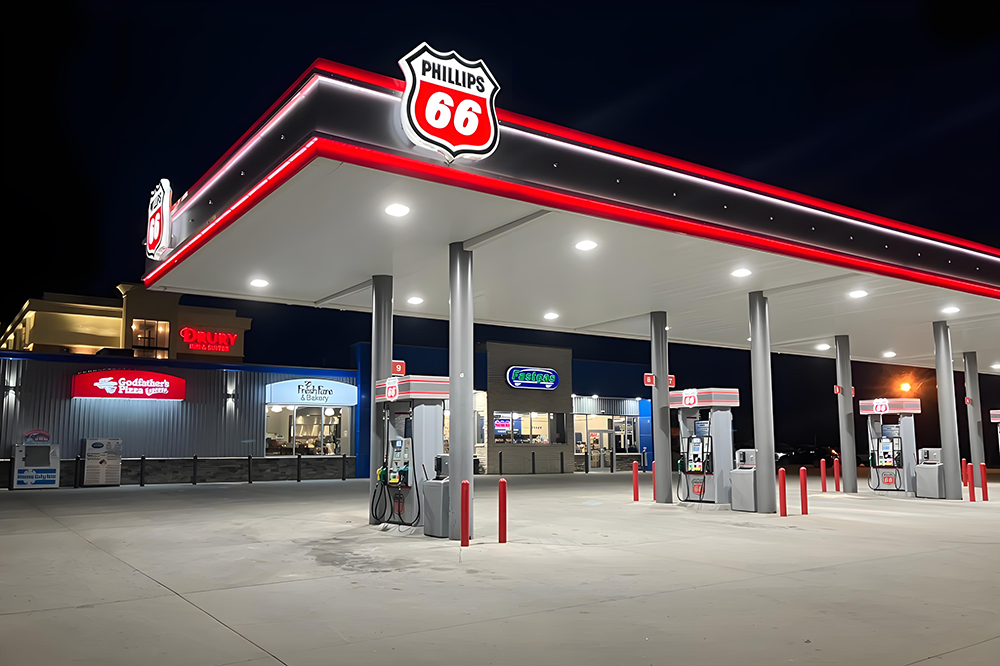
Gas station operators frequently grapple with the balance between visibility and operational costs when managing their digital pricing displays. The question of whether increasing brightness on an led gas price sign significantly impacts electricity bills has become increasingly relevant as fuel retailers seek to optimize both customer attraction and profit margins. Understanding the relationship between display luminosity and power consumption requires examining the underlying LED technology, driver circuits, and real-world operational scenarios that affect total energy usage.
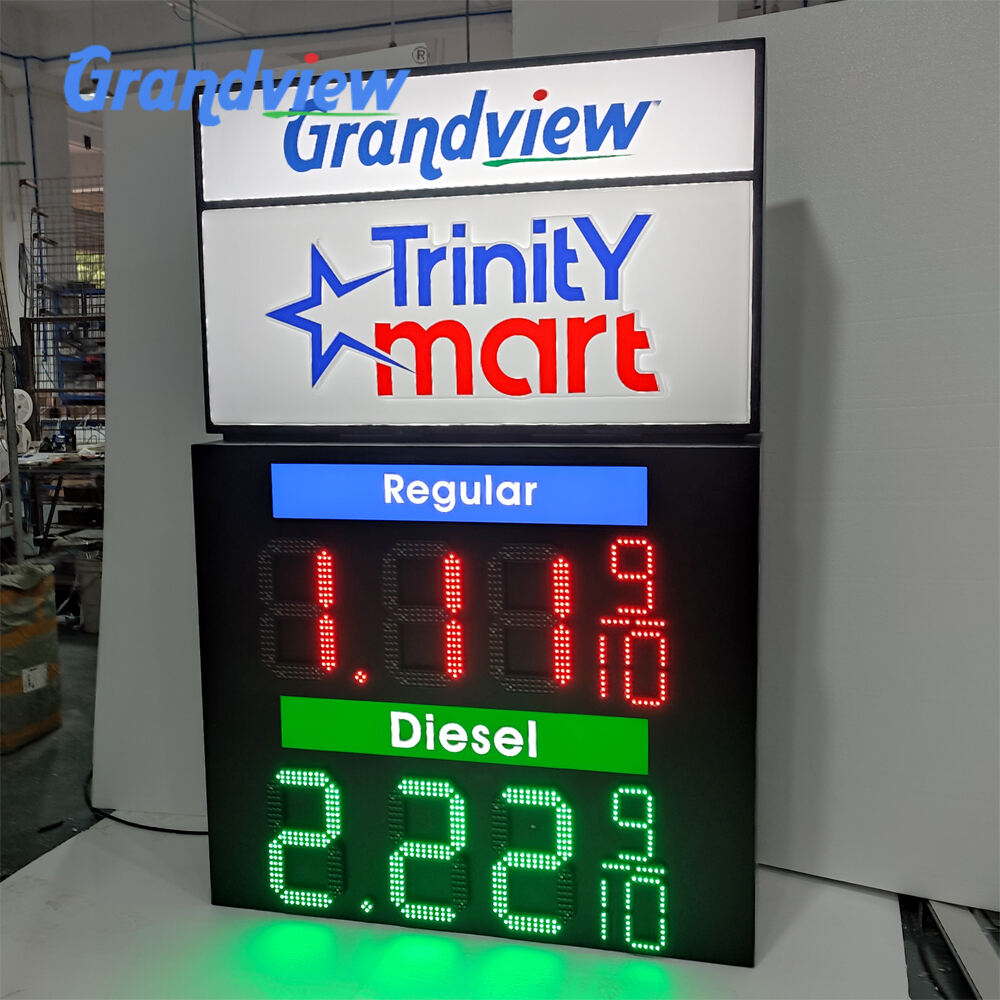
Modern LED display technology has revolutionized outdoor signage by delivering exceptional brightness while maintaining relatively low power consumption compared to traditional illuminated signs. However, the relationship between brightness adjustment and energy usage is not always linear, and several factors influence the actual power draw of an led gas price sign during operation. Ambient lighting conditions, viewing angles, and local regulations all play crucial roles in determining optimal brightness settings for fuel price displays.
The misconception that higher brightness automatically translates to dramatically increased power costs stems from outdated assumptions about display technology. While it is true that LED brightness and current consumption are related, the actual impact on monthly electricity bills may be less significant than many station owners anticipate. Professional-grade LED displays incorporate sophisticated power management systems that optimize energy efficiency across different brightness levels while maintaining excellent visibility performance.
LED Technology and Power Consumption Fundamentals
Understanding LED Driver Efficiency
The heart of any led gas price sign lies in its LED driver circuitry, which converts AC power to the precise DC voltage and current required by individual LED segments. Modern switching power supplies used in quality displays achieve efficiency ratings exceeding 85 percent, meaning that most of the electrical energy consumed actually produces light rather than waste heat. This high efficiency remains relatively stable across different brightness operating points, unlike older display technologies that suffered dramatic efficiency losses at higher output levels.
Advanced driver designs incorporate pulse-width modulation (PWM) control systems that regulate brightness by rapidly switching LEDs on and off at frequencies imperceptible to human vision. This technique allows precise brightness adjustment while maintaining consistent color temperature and minimizing power consumption variations. The PWM approach means that even at maximum brightness settings, an led gas price sign operates with excellent energy efficiency compared to legacy neon or incandescent alternatives.
Current Draw Characteristics Across Brightness Levels
Real-world testing of professional LED displays reveals that current consumption typically increases in a roughly linear fashion with brightness output, but the absolute power difference between minimum and maximum settings may be smaller than expected. A typical 18-inch digit display might consume approximately 45 watts at moderate brightness levels and increase to around 65 watts when operated at maximum intensity for optimal daylight visibility.
The 20-watt difference between moderate and high brightness operation translates to relatively modest monthly electricity costs, especially when considered against the potential revenue impact of improved sign visibility. Assuming continuous 24-hour operation and an average electricity rate of 12 cents per kilowatt-hour, the additional power consumption would cost approximately 4.32 dollars per month per display unit. This calculation demonstrates that concerns about dramatic cost increases from brightness optimization are often overstated.
Environmental Factors Affecting Display Performance
Daylight Readability Requirements
Outdoor led gas price sign installations must contend with highly variable ambient lighting conditions throughout each day, from pre-dawn darkness to intense midday sunlight. Adequate brightness during peak daylight hours requires significantly higher output levels than nighttime operation, creating natural opportunities for automated brightness adjustment based on ambient light sensors. Smart displays can automatically reduce power consumption during evening hours while maintaining excellent visibility for passing motorists.
The visibility threshold for digital price displays depends heavily on viewing distance, sun angle, and atmospheric conditions such as haze or precipitation. Professional installation guidelines recommend brightness levels sufficient to maintain clear readability at the maximum intended viewing distance during the worst-case lighting scenario, which typically occurs during bright overcast conditions that create high ambient light without directional shadows.
Weather and Seasonal Considerations
Seasonal variations in daylight duration and intensity create natural cycles in the power consumption profile of any led gas price sign equipped with automatic brightness control. Summer months require higher average brightness levels due to extended daylight hours and more intense solar radiation, while winter operation allows for reduced power consumption during shorter days with lower ambient light levels.
Temperature effects on LED performance also influence the relationship between brightness settings and power consumption. Cold weather operation typically improves LED efficiency and allows for slightly higher light output at the same current levels, while high summer temperatures may require thermal management systems that could offset some of the energy savings from reduced evening brightness requirements. Quality displays incorporate temperature compensation algorithms that maintain consistent performance across seasonal temperature variations.
Cost Analysis and Return on Investment
Comparing Operational Expenses
When evaluating the financial impact of brightness optimization for an led gas price sign, station operators should consider both direct electricity costs and indirect factors such as improved visibility driving increased fuel sales. Industry studies suggest that clear, easily readable price displays can influence customer decisions at the point of approach, particularly in competitive markets where multiple stations are visible simultaneously.
The total cost of ownership for LED price displays extends beyond daily power consumption to include factors such as maintenance requirements, component longevity, and replacement schedules. Higher-quality LED modules operated within their design parameters typically demonstrate superior reliability and longer service life, potentially reducing long-term maintenance costs that could dwarf any electricity savings achieved through aggressive brightness reduction.
Revenue Impact Considerations
Visibility improvements from optimal brightness settings can generate measurable increases in fuel sales volume, particularly during peak traffic periods when multiple competing stations are simultaneously visible to approaching drivers. The revenue impact of improved sign visibility often exceeds the marginal electricity cost increase by substantial margins, making brightness optimization a profitable investment rather than merely an operational expense.
Market research indicates that fuel price visibility ranks among the top factors influencing customer station selection, especially for price-conscious consumers who may compare multiple options before committing to a purchase. An led gas price sign that remains clearly readable under all lighting conditions provides a competitive advantage that justifies modest increases in operational power consumption through enhanced customer attraction and retention.
Implementation Strategies for Optimal Performance
Automated Brightness Control Systems
Modern led gas price sign installations increasingly incorporate photocell sensors and programmable controllers that automatically adjust display brightness based on real-time ambient light measurements. These systems optimize the balance between visibility and power consumption without requiring manual intervention, ensuring that displays operate at appropriate brightness levels throughout changing daily and seasonal conditions.
Sophisticated control algorithms can implement multiple brightness schedules tailored to specific site conditions, traffic patterns, and local regulations regarding illuminated signage. Some jurisdictions impose restrictions on maximum brightness levels during nighttime hours to minimize light pollution, making automated dimming systems essential for regulatory compliance while maintaining optimal daytime visibility performance.
Maintenance and Calibration Practices
Regular calibration of brightness sensors and cleaning of LED surfaces ensures that an led gas price sign continues to deliver optimal performance throughout its service life. Dust accumulation, weather exposure, and component aging can gradually reduce display effectiveness, potentially leading operators to compensate with higher brightness settings that increase power consumption unnecessarily.
Professional maintenance protocols include periodic verification of actual light output levels against programmed settings, cleaning of optical surfaces to maintain maximum efficiency, and inspection of driver circuits for optimal performance. Properly maintained displays typically require lower brightness settings to achieve the same visibility performance, resulting in reduced power consumption and extended component longevity compared to neglected installations.
Technology Trends and Future Developments
Advanced LED Efficiency Improvements
Ongoing developments in LED semiconductor technology continue to improve the luminous efficacy of display components, enabling higher brightness output with reduced power consumption compared to earlier generations. Next-generation LED packages achieve efficacy levels exceeding 200 lumens per watt under optimal operating conditions, significantly improving the performance capabilities of modern led gas price sign installations.
Emerging technologies such as micro-LED arrays and quantum dot enhancement layers promise further improvements in display efficiency and color quality. These advances will enable future led gas price sign designs to achieve superior visibility performance while consuming less power than current-generation displays, making brightness optimization even more cost-effective for station operators.
Smart Grid Integration Opportunities
The growing adoption of smart grid technologies creates new opportunities for intelligent power management in commercial LED displays. Time-of-use electricity pricing programs allow led gas price sign operators to optimize brightness schedules based on utility rate structures, potentially reducing operational costs through strategic load shifting during peak demand periods.
Integration with building management systems and renewable energy sources offers additional optimization possibilities for reducing the environmental impact and operational costs of digital signage installations. Solar-powered backup systems and battery storage solutions can provide grid independence during peak rate periods while maintaining full display functionality for customer service.
FAQ
How much electricity does a typical led gas price sign consume daily
A standard 18-inch digit led gas price sign typically consumes between 45 to 65 watts depending on brightness settings and ambient conditions. Operating 24 hours daily, this translates to approximately 1.1 to 1.6 kilowatt-hours per day, resulting in monthly electricity costs ranging from about 8 to 12 dollars at average commercial rates. The actual consumption varies based on automatic brightness adjustment, local climate conditions, and display quality.
Can I reduce power costs by dimming my display during nighttime hours
Yes, implementing automated nighttime dimming can reduce power consumption by 20 to 40 percent during dark hours while maintaining adequate visibility for passing traffic. Most professional led gas price sign installations include photocell sensors that automatically adjust brightness based on ambient light levels. The power savings from nighttime dimming typically amount to 2 to 4 dollars per month while ensuring optimal visibility throughout all lighting conditions.
Does higher brightness actually increase fuel sales enough to justify additional power costs
Industry research indicates that improved led gas price sign visibility can increase fuel sales by 3 to 8 percent in competitive markets where multiple stations are simultaneously visible to approaching customers. The revenue increase from enhanced visibility typically exceeds the marginal power cost increase by factors of 10 to 20, making brightness optimization a profitable investment rather than merely an operational expense.
What maintenance practices help minimize power consumption while maintaining visibility
Regular cleaning of LED surfaces, calibration of brightness sensors, and inspection of driver circuits ensure that your led gas price sign operates at peak efficiency. Dust accumulation can reduce light output by 15 to 25 percent, forcing higher brightness settings to maintain visibility. Monthly cleaning and annual professional calibration typically improve display efficiency enough to offset several years of electricity cost increases while extending component service life.
Table of Contents
- LED Technology and Power Consumption Fundamentals
- Environmental Factors Affecting Display Performance
- Cost Analysis and Return on Investment
- Implementation Strategies for Optimal Performance
- Technology Trends and Future Developments
-
FAQ
- How much electricity does a typical led gas price sign consume daily
- Can I reduce power costs by dimming my display during nighttime hours
- Does higher brightness actually increase fuel sales enough to justify additional power costs
- What maintenance practices help minimize power consumption while maintaining visibility