
 EN
EN
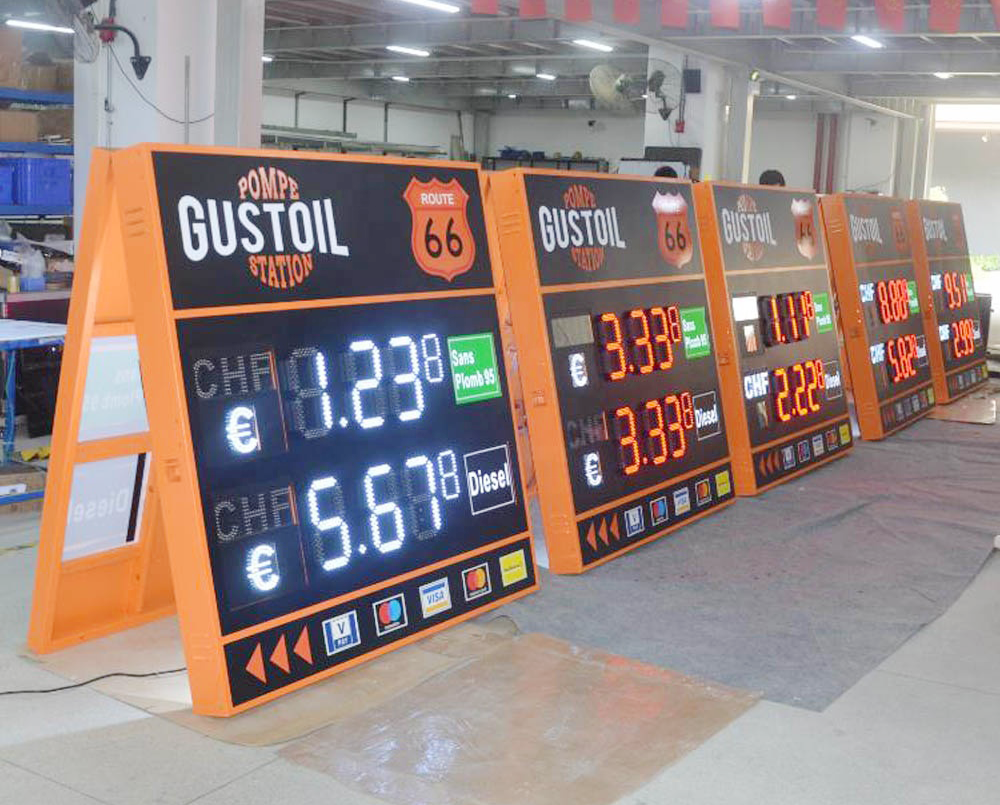
When investing in petrol station signage, business owners consistently ask about fair warranty expectations for their investment. The warranty length for modern petrol station signage typically ranges from 2 to 10 years depending on the component type, manufacturing quality, and environmental conditions. Understanding what constitutes a reasonable warranty period helps station owners make informed decisions while protecting their significant signage investments against premature failures and unexpected replacement costs.
Modern petrol station signage represents a substantial capital expenditure that directly impacts brand visibility, customer attraction, and regulatory compliance. Fair warranty terms reflect the manufacturer's confidence in their product durability while providing station owners with reasonable protection against defective materials and workmanship issues. The complexity of outdoor signage systems, including LED components, structural elements, and electronic controls, requires different warranty approaches for each system component to ensure comprehensive coverage.

Industry Standard Warranty Periods for Different Signage Components
LED Display and Lighting System Warranties
LED components in petrol station signage typically carry warranties ranging from 3 to 7 years for premium installations. High-quality LED modules used in professional petrol station signage installations often include 50,000 to 100,000-hour lifespan guarantees with corresponding warranty protection. The warranty coverage usually includes LED module replacement, driver failures, and color consistency issues that affect the visual performance of the signage system.
Power supply units and LED drivers for petrol station signage installations commonly receive 3 to 5-year warranty coverage due to their critical role in system operation. These electronic components face constant stress from power fluctuations and environmental conditions, making robust warranty protection essential for station owners. Professional-grade power supplies designed for outdoor petrol station signage applications should include protection against voltage spikes, temperature extremes, and moisture ingress.
Structural and Fabrication Warranties
The structural framework and fabricated elements of petrol station signage installations typically receive longer warranty periods of 5 to 10 years due to their durability expectations. Steel frameworks, aluminum extrusions, and mounting hardware used in quality petrol station signage systems should withstand decades of service with proper maintenance. Warranty coverage for structural components usually includes material defects, welding failures, and corrosion protection breakdown within the specified time frame.
Weather sealing and gasket systems in petrol station signage require specific warranty attention since water ingress represents a primary failure mode. Quality manufacturers provide 2 to 5-year warranties on sealing systems, ensuring protection against moisture damage that could compromise electronic components. The warranty should explicitly cover gasket degradation, seal failures, and weatherstripping performance under normal outdoor conditions.
Factors Influencing Fair Warranty Length Expectations
Environmental Exposure and Operating Conditions
The operating environment significantly impacts reasonable warranty expectations for petrol station signage installations in different geographic regions. Coastal installations face salt air corrosion that may reduce expected component lifespan, while desert environments present extreme temperature cycling and UV exposure challenges. Fair warranty terms should account for these environmental factors, with some manufacturers offering adjusted warranty periods based on installation location and documented environmental conditions.
Temperature extremes and weather exposure patterns directly influence the durability of petrol station signage components and appropriate warranty coverage. Installations in regions experiencing frequent freeze-thaw cycles may require enhanced protection and correspondingly adjusted warranty terms. Professional petrol station signage suppliers evaluate local climate data to establish realistic warranty periods that reflect actual component performance expectations under specific environmental stresses.
Usage Intensity and Operational Demands
The operational intensity of petrol station signage systems affects fair warranty length calculations based on daily operating hours and cycling frequency. Continuously illuminated petrol station signage systems experience different wear patterns compared to intermittently operated displays, requiring adjusted warranty considerations. Station owners should expect warranty terms that reflect their specific operational requirements and documented usage patterns.
Maintenance accessibility and service requirements influence reasonable warranty expectations for complex petrol station signage installations. Systems requiring frequent maintenance access may include enhanced warranty coverage for serviceable components, while sealed systems typically offer longer warranty periods with limited field service options. The balance between warranty length and maintenance requirements helps station owners evaluate total cost of ownership beyond the initial warranty period.
Warranty Coverage Scope and Limitation Considerations
Comprehensive vs. Limited Warranty Protection
Comprehensive warranty coverage for petrol station signage should include materials, workmanship, and performance guarantees that protect against premature system failures. Quality manufacturers provide full replacement warranties covering defective components, labor costs, and system restoration to original performance specifications. Limited warranties may exclude certain failure modes or require pro-rated replacement costs after specific time periods, affecting the overall value proposition for station owners.
Performance warranties for petrol station signage often include specific metrics such as brightness retention, color stability, and operational reliability over the warranty period. These performance guarantees provide measurable protection against gradual degradation that could impact signage effectiveness. Station owners should expect clear performance criteria and remedy procedures when signage systems fail to meet warranted specifications during normal operation.
Exclusions and Maintenance Requirements
Fair warranty terms for petrol station signage clearly define excluded conditions such as vandalism, extreme weather events, and improper maintenance practices. Professional manufacturers specify required maintenance procedures and documentation to maintain warranty validity without imposing unreasonable burden on station operators. The warranty should balance protection against defects with reasonable expectations for proper system care and environmental protection.
Electrical surge protection and power quality requirements often appear as warranty conditions for electronic components in petrol station signage systems. Station owners should understand their responsibilities for providing clean power and surge protection to maintain warranty coverage. Quality signage manufacturers may recommend or require specific power conditioning equipment to ensure warranty validity for sensitive electronic components.
Evaluation Criteria for Fair Warranty Terms
Industry Benchmarking and Manufacturer Reputation
Established manufacturers with proven track records in petrol station signage typically offer more confident warranty terms reflecting their product quality and service capabilities. Station owners should evaluate warranty offerings against industry benchmarks and manufacturer history to identify fair and realistic warranty protection. Reputable suppliers provide warranty terms that align with their demonstrated product performance and service network capabilities.
Third-party testing and certification data support reasonable warranty expectations by providing independent validation of component durability and performance characteristics. Quality petrol station signage systems include components tested to relevant industry standards with documented performance data supporting warranty claims. Station owners benefit from reviewing certification reports and testing data that substantiate manufacturer warranty commitments.
Total Cost of Ownership Considerations
Fair warranty evaluation for petrol station signage requires analysis of total ownership costs including maintenance, energy consumption, and replacement planning beyond the warranty period. Extended warranty options may provide value for critical signage installations where downtime costs exceed warranty premium expenses. Station owners should balance warranty length against system reliability expectations and replacement planning timelines.
Service network availability and response capabilities directly impact the practical value of warranty protection for petrol station signage installations. Manufacturers with local service networks can provide faster warranty service and reduced downtime compared to distant suppliers requiring extended service response times. The combination of warranty length and service quality determines the overall protection value for station operators.
FAQ
What is the typical warranty length for LED components in petrol station signage?
LED components in quality petrol station signage typically receive 3 to 7-year warranties, with premium installations offering up to 10 years of coverage. The warranty should include LED module replacement, driver failures, and performance guarantees for brightness and color consistency throughout the warranty period.
Should structural components have different warranty terms than electronic components?
Yes, structural components like steel frameworks and mounting hardware typically receive longer warranties of 5 to 10 years due to their expected durability, while electronic components usually carry 3 to 5-year warranties reflecting their different failure patterns and replacement cycles.
How do environmental conditions affect fair warranty expectations?
Environmental factors such as coastal salt air, extreme temperatures, and UV exposure can impact component lifespan and may result in adjusted warranty terms. Quality manufacturers consider installation location and documented environmental conditions when establishing fair warranty periods for specific installations.
What maintenance requirements typically affect warranty validity?
Warranty validity usually requires proper electrical surge protection, regular cleaning schedules, and documented maintenance procedures. Station owners must typically provide clean power, protect against vandalism, and follow manufacturer maintenance guidelines to maintain warranty coverage throughout the specified period.
Table of Contents
- Industry Standard Warranty Periods for Different Signage Components
- Factors Influencing Fair Warranty Length Expectations
- Warranty Coverage Scope and Limitation Considerations
- Evaluation Criteria for Fair Warranty Terms
-
FAQ
- What is the typical warranty length for LED components in petrol station signage?
- Should structural components have different warranty terms than electronic components?
- How do environmental conditions affect fair warranty expectations?
- What maintenance requirements typically affect warranty validity?