
 EN
EN

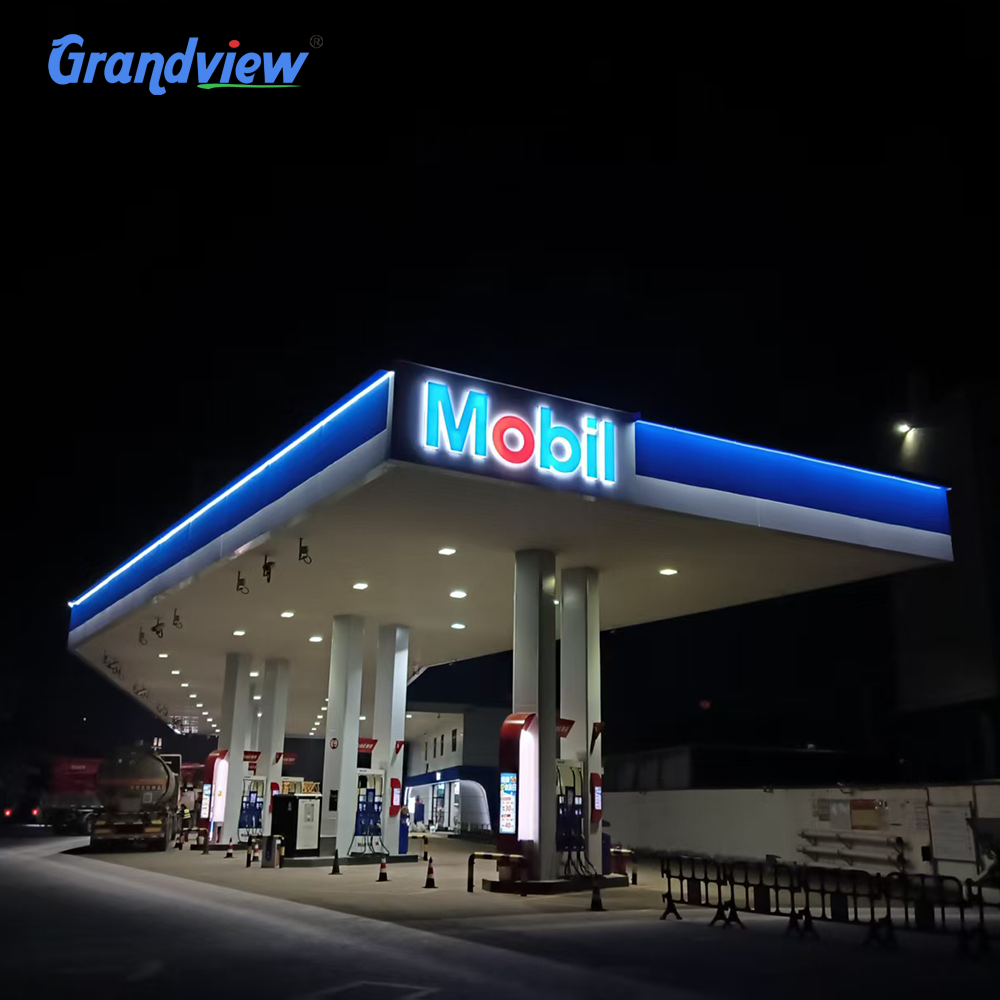
Overly bright petrol station signs at night frequently trigger local light-pollution complaints from nearby residents, environmental groups, and municipal authorities. These illuminated structures, while essential for business visibility and customer safety, can create significant nocturnal disturbances when their intensity exceeds appropriate levels for the surrounding environment. The balance between commercial lighting needs and community well-being has become increasingly scrutinized as urban areas expand and environmental awareness grows.
Modern petrol station signs utilize high-intensity LED technology that can produce luminous output far exceeding what neighboring communities consider acceptable during nighttime hours. The complaints typically arise when these commercial lighting installations create unwanted glare, sky glow, or light trespass that impacts residential properties, disrupts natural ecosystems, or interferes with astronomical observations. Understanding the relationship between sign brightness and community tolerance levels helps fuel retailers make informed decisions about their illuminated signage strategies.
Understanding Light Pollution Complaints Against Commercial Signage
Types of Light Pollution Issues from Bright Signage
Light pollution from petrol station signs manifests in several distinct forms that trigger different types of community complaints. Sky glow occurs when excessive upward light scatter creates a dome of artificial brightness above commercial areas, obscuring natural starlight and disrupting the nighttime environment. This phenomenon particularly affects rural and suburban communities where residents expect darker skies during evening hours.
Glare represents another significant concern when petrol station signs produce uncomfortable or disabling brightness that interferes with motorist vision or pedestrian comfort. Direct glare from poorly shielded illuminated signage can create hazardous driving conditions, while reflected glare from metallic sign surfaces amplifies the problem. Light trespass occurs when commercial lighting spills beyond property boundaries, illuminating neighboring homes, businesses, or natural areas without permission or necessity.
Community Impact and Residential Concerns
Residential communities adjacent to brightly lit petrol station signs often experience sleep disruption caused by intrusive artificial lighting penetrating bedroom windows. The human circadian rhythm responds negatively to excessive nighttime light exposure, leading to documented health impacts including reduced melatonin production and altered sleep patterns. These biological effects provide legitimate grounds for light pollution complaints from affected residents.
Property values can decline when homes are subject to chronic light pollution from nearby commercial signage, creating economic motivations for community action against overly bright installations. Real estate professionals recognize that excessive commercial lighting reduces residential desirability, particularly in neighborhoods that previously maintained darker evening environments. The aesthetic impact of intrusive commercial lighting also diminishes community character and quality of life.
Regulatory Framework and Compliance Requirements
Municipal Light Ordinances and Zoning Restrictions
Most municipalities have established lighting ordinances that regulate the brightness, timing, and direction of commercial signage including petrol station signs. These regulations typically specify maximum luminance levels measured in candelas per square meter, with different standards for various zoning districts. Commercial areas may permit higher brightness levels than residential or mixed-use zones, but excessive illumination can still trigger violations even in commercial settings.
Setback requirements often mandate minimum distances between brightly illuminated signs and residential property lines, while height restrictions limit vertical light pollution impacts. Some ordinances include specific provisions for fuel retail establishments, recognizing their need for adequate visibility while balancing community concerns. Compliance with these regulations helps prevent formal complaints and potential enforcement actions against petrol station signs that exceed permitted brightness levels.
Environmental Protection Standards
Environmental agencies increasingly recognize artificial light pollution as a form of environmental contamination that requires regulatory oversight similar to air or water pollution. Dark sky protection initiatives have gained support from conservation organizations, astronomical societies, and environmental health advocates who document the ecological impacts of excessive commercial lighting on wildlife migration patterns, nocturnal ecosystems, and human health.
Some jurisdictions have adopted International Dark-Sky Association guidelines that establish specific brightness thresholds and shielding requirements for commercial signage. These standards often require full cutoff fixtures that direct light downward rather than allowing upward scatter, timing controls that reduce brightness during late evening hours, and wavelength specifications that minimize blue light emission known to disrupt biological processes.
Technical Solutions for Brightness Management
Adaptive Lighting Controls and Dimming Systems
Modern petrol station signs can incorporate automated dimming systems that reduce brightness during nighttime hours when full illumination may not be necessary for safety or visibility. Photocell sensors detect ambient light conditions and automatically adjust sign brightness to maintain appropriate visibility ratios without excessive output. These systems help fuel retailers maintain regulatory compliance while reducing energy consumption and community complaints.
Time-based lighting controls allow petrol station signs to operate at different brightness levels throughout the day, with maximum output during peak traffic periods and reduced intensity during late evening and early morning hours. Some installations use multiple brightness zones that can be independently controlled, allowing critical safety lighting to remain active while reducing decorative or promotional illumination that may trigger complaints.
Optical Design and Light Distribution
Proper optical design ensures that petrol station signs direct illumination precisely where needed rather than creating widespread light pollution. Cutoff shields, louvers, and reflector systems can focus light output toward intended viewing angles while preventing upward scatter or lateral spill that affects neighboring properties. These technical solutions maintain sign visibility for motorists while minimizing community impact.
LED technology offers superior control over light distribution compared to traditional illumination methods, allowing designers to create focused beam patterns that reduce peripheral light pollution. Color temperature selection also influences community acceptance, with warmer color temperatures generally producing less disruptive effects than cool white or blue-rich illumination that can interfere with sleep patterns and wildlife behavior.
Business Considerations and Community Relations
Balancing Visibility Needs with Community Acceptance
Fuel retailers must balance their legitimate need for visible signage with community expectations for reasonable lighting practices. Effective petrol station signs provide adequate visibility for customer safety and brand recognition without creating excessive brightness that triggers neighborhood opposition. This balance requires careful consideration of local context, surrounding land uses, and community characteristics.
Market research indicates that consumers can effectively identify and navigate to fuel stations with appropriately designed lighting that meets visibility requirements without excessive brightness. Overly bright signage may actually reduce customer comfort and create negative brand associations, particularly when community complaints generate adverse publicity or regulatory enforcement actions.
Proactive Complaint Prevention Strategies
Forward-thinking fuel retailers engage with local communities during the design phase of new petrol station signs to address potential lighting concerns before installation. Community meetings, lighting demonstrations, and collaborative design processes can identify acceptable brightness levels and operational parameters that satisfy both business needs and neighborhood preferences.
Regular maintenance and calibration of petrol station signs helps prevent brightness drift that can gradually increase light output beyond originally approved levels. Establishing community feedback channels allows retailers to address emerging concerns promptly rather than waiting for formal complaints or regulatory enforcement actions that can damage community relationships and require costly remediation.
FAQ
What brightness levels typically trigger light pollution complaints for petrol station signs?
Light pollution complaints typically begin when petrol station signs exceed 300-500 candelas per square meter in residential areas, though tolerance levels vary based on local context and existing ambient lighting conditions. Signs producing over 1000 cd/m² almost invariably generate complaints, while installations below 200 cd/m² rarely trigger community concerns when properly shielded and directed.
Can timing controls help reduce complaints about bright petrol station signage?
Yes, implementing timing controls that reduce sign brightness by 50-70% during overnight hours significantly reduces community complaints while maintaining adequate visibility for safety and navigation. Most successful installations use graduated dimming that begins around 9-10 PM and maintains reduced brightness until dawn, with emergency override capabilities for safety situations.
What legal remedies do communities have against excessively bright petrol station signs?
Communities can file complaints with municipal code enforcement, environmental health departments, or planning commissions that have jurisdiction over commercial lighting standards. Legal remedies may include citation enforcement, required modifications to lighting systems, operational restrictions, or in severe cases, mandated removal of non-compliant signage installations.
How can fuel retailers prevent light pollution complaints during the design phase?
Retailers can prevent complaints by conducting lighting impact assessments, engaging with neighboring communities during planning phases, selecting appropriate brightness levels for local zoning contexts, implementing proper shielding and directional controls, and choosing lighting technology that minimizes glare and light trespass beyond property boundaries.
Table of Contents
- Understanding Light Pollution Complaints Against Commercial Signage
- Regulatory Framework and Compliance Requirements
- Technical Solutions for Brightness Management
- Business Considerations and Community Relations
-
FAQ
- What brightness levels typically trigger light pollution complaints for petrol station signs?
- Can timing controls help reduce complaints about bright petrol station signage?
- What legal remedies do communities have against excessively bright petrol station signs?
- How can fuel retailers prevent light pollution complaints during the design phase?