
 EN
EN
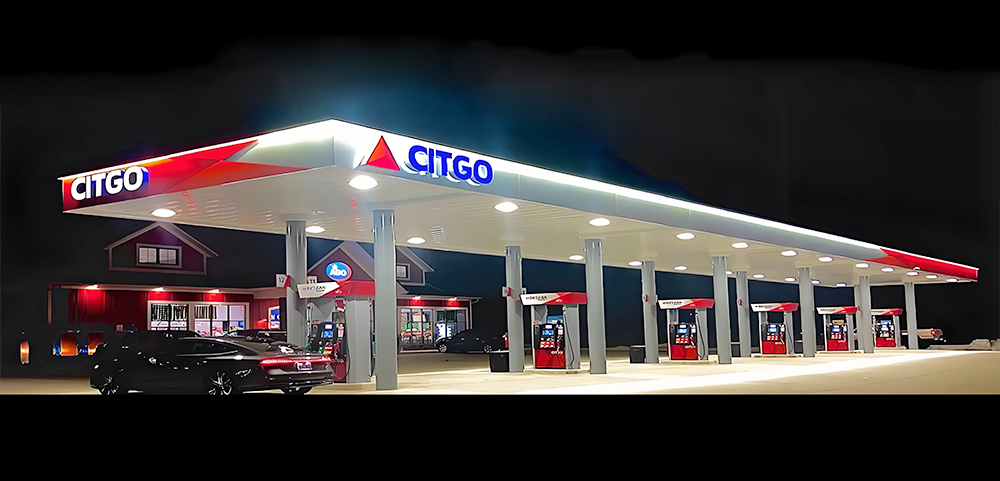
The financial impact of purchasing petrol station signage as a bundled package versus individual piecemeal orders can represent substantial cost savings for fuel retail operators. When considering the comprehensive signage needs of a modern petrol station, from illuminated canopy fascias to pump identification markers, the bundling approach typically delivers 15-35% cost reductions compared to ordering each component separately over time.
Understanding the economic advantages of bundled petrol station signage procurement requires examining multiple cost factors beyond the initial purchase price. These include manufacturing efficiencies, reduced shipping expenses, streamlined project management, and the elimination of multiple vendor coordination overhead. The strategic timing of a complete signage refresh also allows fuel retailers to negotiate more favorable terms while ensuring brand consistency across all visual elements.
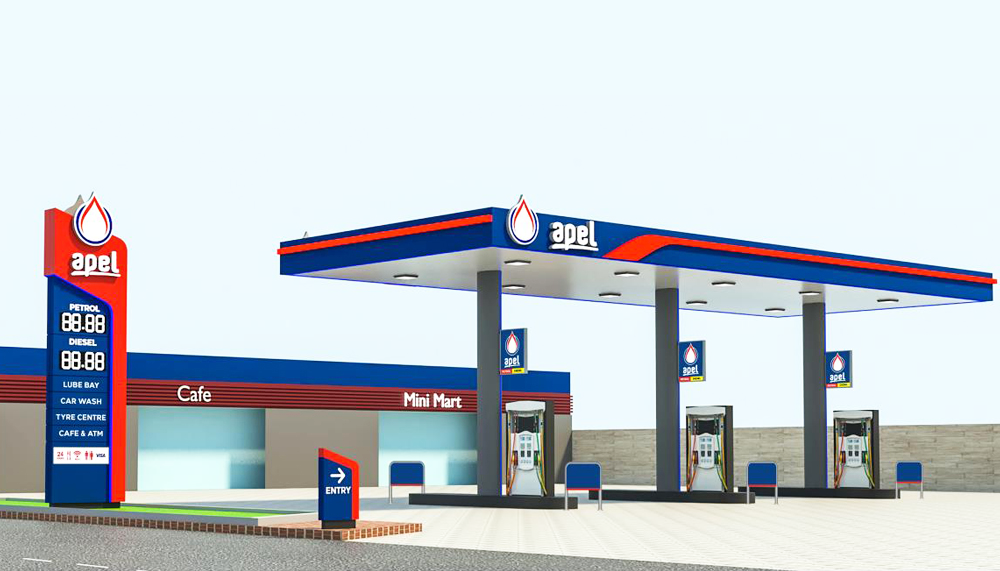
Manufacturing and Production Cost Advantages
Economy of Scale in Production Planning
When manufacturers receive bundled orders for complete petrol station signage systems, they can optimize their production scheduling and material procurement processes. This efficiency translates directly into cost savings that are typically passed on to the customer. The ability to plan larger production runs reduces per-unit manufacturing overhead, particularly for specialized items like LED canopy fascias and illuminated price displays.
Production facilities can also achieve better material utilization rates when creating multiple signage components simultaneously. For instance, aluminum extrusions used in canopy signage can be optimized alongside smaller directional signs, reducing waste and maximizing the value extracted from raw materials. This manufacturing synergy becomes particularly pronounced with custom petrol station signage that requires specific color matching and brand compliance across all elements.
The standardization benefits extend to quality control processes as well. When producing a complete signage package, manufacturers can implement consistent quality standards across all components, reducing the likelihood of mismatched elements that might require costly corrections or replacements later in the project timeline.
Reduced Setup and Tooling Costs
Individual petrol station signage orders often require separate setup procedures for each component type, from digital printing calibrations for vinyl graphics to precision cutting for metal fabrication. Bundled orders allow manufacturers to amortize these setup costs across multiple items, significantly reducing the per-unit impact of tooling and preparation expenses.
Custom fabrication elements, such as branded canopy headers or specialized pump toppers, particularly benefit from this consolidated approach. The engineering and design verification processes that ensure compliance with petroleum industry standards can be completed once for the entire project rather than repeated for each individual component order.
This setup cost reduction becomes especially valuable for fuel retailers operating multiple locations who require consistent branding across their network. The ability to replicate approved designs and specifications across bundled orders eliminates redundant development costs while ensuring uniform brand presentation.
Logistics and Shipping Economies
Consolidated Freight Management
Shipping costs represent a significant portion of total petrol station signage expenses, particularly for larger items like illuminated canopies and pole signs. Bundled orders enable consolidated shipping arrangements that can reduce freight costs by 20-40% compared to multiple separate shipments required for piecemeal ordering approaches.
The dimensional efficiency achieved through coordinated packaging allows suppliers to optimize container utilization and truck loading configurations. Large signage elements can be strategically packaged alongside smaller components, maximizing the value per shipping cubic foot while reducing the total number of deliveries required at the installation site.
Coordinated delivery scheduling also minimizes the site disruption typically associated with multiple delivery windows. This operational efficiency translates into reduced labor costs for receiving and handling, while also decreasing the risk of component damage or loss that can occur when materials arrive at different times and require temporary storage.
Inventory and Warehousing Optimization
Bundled petrol station signage orders allow both suppliers and customers to optimize their inventory management strategies. Suppliers can reduce warehousing costs by coordinating production and shipping schedules, while customers avoid the expense and complexity of managing partial inventory across extended time periods.
The reduced handling requirements associated with consolidated orders also minimize the risk of component damage or deterioration during storage. Weather-sensitive materials and electronic components particularly benefit from shortened storage durations and coordinated installation timelines that bundled ordering facilitates.
For fuel retailers planning renovations or new construction projects, bundled ordering eliminates the working capital tied up in early-delivered components that might otherwise sit unused for weeks or months while awaiting complementary signage elements.
Project Management and Installation Efficiencies
Streamlined Vendor Coordination
Managing multiple vendors for different aspects of petrol station signage creates coordination challenges that translate directly into increased project costs. Bundled procurement through a single supplier eliminates the administrative overhead associated with multiple purchase orders, delivery schedules, warranty tracking, and quality issue resolution processes.
The single-source responsibility model also reduces the potential for finger-pointing between vendors when installation or compatibility issues arise. This accountability clarity can prevent costly project delays and minimize the legal and administrative expenses associated with multi-vendor dispute resolution.
Communication efficiency improves dramatically when working with a single supplier who understands the complete project scope and can coordinate all signage elements according to a unified timeline. This coordination capability becomes particularly valuable for fuel retailers operating under tight construction schedules or regulatory compliance deadlines.
Installation Sequence Optimization
Bundled petrol station signage packages enable optimized installation sequences that can reduce labor costs and minimize operational disruption. Professional installers can plan their work more efficiently when they have advance knowledge of all signage components and can sequence their activities to minimize equipment mobilization and site preparation costs.
The ability to complete signage installation in consolidated phases rather than multiple disconnected visits reduces travel costs for installation crews and minimizes the cumulative impact on fuel retail operations. This efficiency becomes particularly important for high-volume locations where any operational disruption translates directly into lost revenue.
Coordinated installation also enables better quality control and system integration testing. Electrical connections, lighting synchronization, and digital display programming can be completed and verified as complete systems rather than pieced together from components installed at different times by different crews.
Long-term Cost Considerations and ROI
Maintenance and Service Agreements
Bundled petrol station signage purchases often enable more comprehensive and cost-effective maintenance service agreements. Suppliers can offer reduced service rates when they have responsibility for maintaining complete signage systems rather than individual components scattered across multiple vendor relationships.
The diagnostic efficiency achieved through system-wide familiarity allows service technicians to identify and resolve issues more quickly, reducing both service call costs and operational downtime. This efficiency becomes particularly valuable for illuminated signage systems where electrical integration across multiple components requires comprehensive system knowledge.
Preventive maintenance scheduling can also be optimized when all signage components operate on coordinated service intervals. This coordination reduces the frequency of service visits while ensuring that all elements receive appropriate attention according to their operational requirements and manufacturer specifications.
Technology Integration and Upgrade Pathways
Modern petrol station signage increasingly incorporates digital displays, LED lighting systems, and smart connectivity features that benefit from coordinated technology platforms. Bundled procurement ensures compatibility across all system components and provides clearer upgrade pathways as technology standards evolve.
The investment protection achieved through coordinated technology selection can extend the useful life of signage investments and reduce the likelihood of premature obsolescence. This strategic approach becomes particularly important as fuel retailers adapt to emerging requirements for electric vehicle charging infrastructure and associated signage needs.
Bundled systems also enable more sophisticated monitoring and control capabilities that can reduce energy costs and extend equipment life through optimized operation patterns. These operational savings compound over time and can represent significant value beyond the initial procurement savings.
FAQ
What percentage savings can fuel retailers typically expect from bundled petrol station signage orders?
Most fuel retailers can expect savings of 15-35% when purchasing complete petrol station signage packages compared to piecemeal ordering over time. The exact savings depend on the project scope, timing, and specific signage requirements, but the combination of manufacturing economies, shipping consolidation, and reduced administrative overhead consistently delivers measurable cost reductions.
How do bundled orders affect the timeline for petrol station signage projects?
Bundled petrol station signage orders typically reduce overall project timelines by 20-40% compared to coordinating multiple separate orders. The streamlined production planning, coordinated shipping, and optimized installation sequences eliminate many of the delays and coordination challenges that extend piecemeal project schedules.
Are there any disadvantages to bundled petrol station signage procurement?
The primary consideration with bundled ordering is the higher upfront capital requirement compared to spreading purchases over time. Some fuel retailers may also have concerns about supplier dependency, though these risks can be mitigated through careful vendor selection and comprehensive service agreements. The cost savings and operational benefits typically outweigh these considerations for most projects.
How should fuel retailers evaluate suppliers for bundled petrol station signage projects?
Successful bundled petrol station signage projects require suppliers with comprehensive manufacturing capabilities, proven project management experience, and strong installation networks. Fuel retailers should evaluate supplier portfolios, request references from similar projects, and verify compliance with petroleum industry standards and local regulatory requirements before making procurement decisions.
Table of Contents
- Manufacturing and Production Cost Advantages
- Logistics and Shipping Economies
- Project Management and Installation Efficiencies
- Long-term Cost Considerations and ROI
-
FAQ
- What percentage savings can fuel retailers typically expect from bundled petrol station signage orders?
- How do bundled orders affect the timeline for petrol station signage projects?
- Are there any disadvantages to bundled petrol station signage procurement?
- How should fuel retailers evaluate suppliers for bundled petrol station signage projects?