
 EN
EN
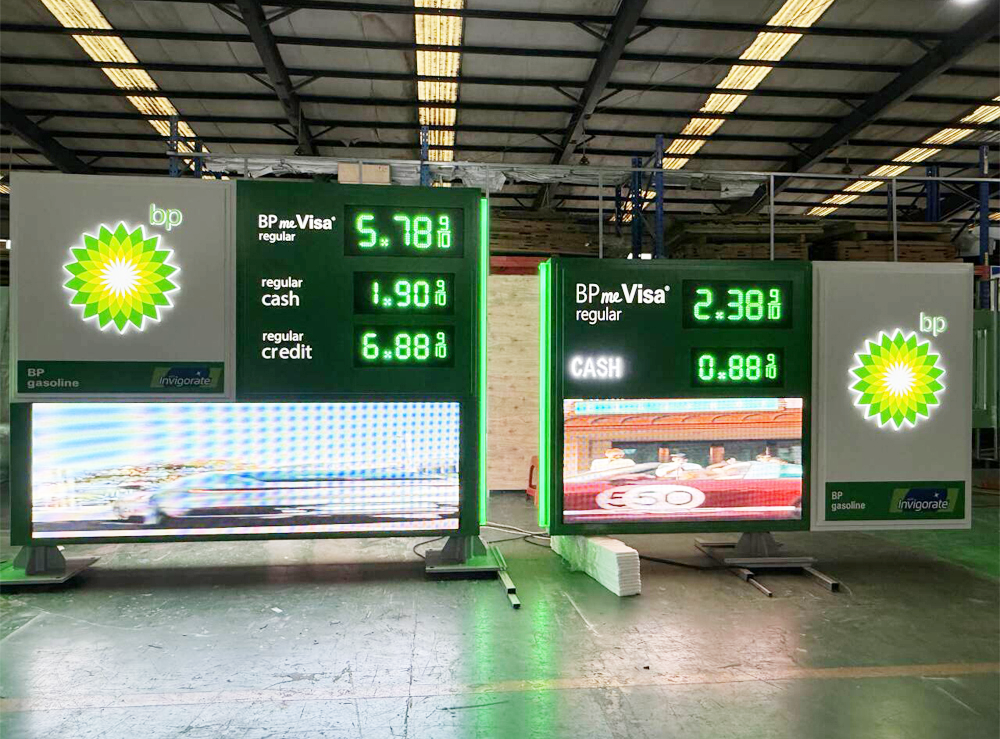
When fuel prices fluctuate rapidly throughout the day, station operators face a critical operational question about their digital price sign synchronization with point-of-sale systems. The timing relationship between your POS system and digital price sign becomes crucial during volatile market conditions, where even seconds of delay can impact customer satisfaction and regulatory compliance. Understanding the technical factors that influence this synchronization helps operators make informed decisions about their pricing display infrastructure.
The synchronization between your digital price sign and POS system depends on several technical and operational variables that determine whether lag occurs during price updates. Modern fuel retail operations require near-instantaneous price changes to remain competitive and compliant, making the response time of your digital price sign a critical performance metric. Various factors including communication protocols, system architecture, and update mechanisms directly influence how quickly price changes propagate from your POS system to the external display.
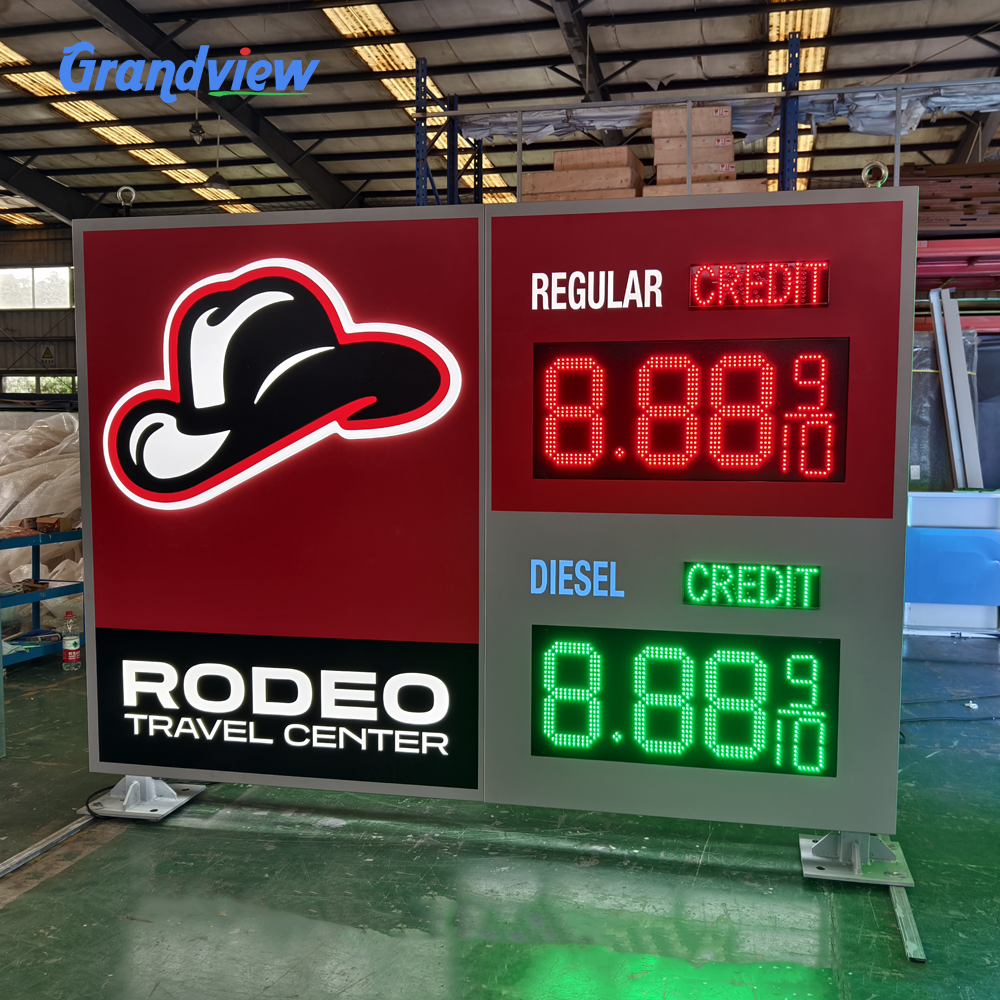
Communication Protocol Impact on Digital Price Sign Response Times
Wired vs Wireless Connection Performance
The physical connection method between your POS system and digital price sign significantly affects update speed during rapid price changes. Hardwired connections typically provide the most reliable communication path, eliminating wireless signal interference and reducing latency to minimal levels. Ethernet or serial cable connections ensure consistent data transmission speeds regardless of environmental conditions or electromagnetic interference from nearby equipment.
Wireless communication methods introduce additional variables that can cause your digital price sign to lag behind POS updates. WiFi networks may experience congestion during peak hours, cellular connections can suffer from signal strength variations, and radio frequency systems may encounter interference from other electronic equipment. These factors create potential delay points that become more pronounced when multiple price updates occur in quick succession.
The communication protocol your digital price sign uses also determines update efficiency during rapid pricing scenarios. Some older systems rely on polling mechanisms where the sign periodically checks for updates, creating inherent delays between POS changes and display updates. Modern push-based protocols send immediate notifications to the digital price sign whenever changes occur, minimizing synchronization lag.
Data Processing and Validation Delays
Your digital price sign may incorporate built-in validation routines that introduce brief processing delays during price updates. These safety mechanisms verify that incoming price data falls within acceptable ranges and formats correctly before displaying new values. While these validations serve important quality control functions, they can add milliseconds or seconds to the update process during rapid price swings.
Error handling protocols within your digital price sign system may cause temporary delays when communication issues occur. If the sign cannot immediately confirm receipt of a price update, it may retry the communication or wait for manual confirmation before proceeding. During periods of frequent price changes, these error handling routines can accumulate and create noticeable lag behind your POS system.
The internal processing power of your digital price sign affects how quickly it can handle multiple consecutive updates. Signs with limited processing capabilities may struggle to keep pace when receiving several price changes within short time periods. Modern digital price sign systems typically include sufficient processing power to handle rapid updates, but older installations may experience bottlenecks during intense pricing activity.
System Architecture Factors Affecting Synchronization
Central Management System Integration
Many fuel retail operations use central management systems that coordinate between POS terminals and digital price sign displays. These intermediate systems can introduce additional processing steps that create lag during rapid price updates. The management system must receive the price change from your POS, process the update, then transmit it to your digital price sign, adding multiple communication hops to the update path.
Network infrastructure between your POS system and digital price sign management components affects synchronization performance. Local area network congestion, router processing delays, and switch latency can accumulate to create noticeable gaps between POS updates and sign displays. High-quality network equipment with adequate bandwidth typically minimizes these delays, but older infrastructure may struggle during peak update periods.
Database synchronization requirements in your pricing system can cause temporary delays during rapid updates. If your digital price sign system must update multiple database records or coordinate with inventory management systems, these operations may queue during busy periods and create lag behind POS changes.
Hardware Limitations and Performance Characteristics
The display technology used in your digital price sign influences how quickly visual changes appear after receiving update commands. LED matrix displays typically refresh faster than LCD panels, while mechanical digit displays require physical movement time that creates inherent delays. Understanding your display technology's refresh characteristics helps predict synchronization performance during rapid price changes.
Power supply stability affects your digital price sign's ability to process updates quickly and consistently. Voltage fluctuations or inadequate power capacity can cause processing slowdowns that accumulate during periods of frequent price changes. Proper electrical infrastructure ensures consistent performance from your digital price sign system regardless of update frequency.
Environmental factors impact digital price sign performance and may cause temporary synchronization delays. Extreme temperatures can affect electronic component performance, while moisture or debris may interfere with communication equipment. Regular maintenance of your digital price sign installation helps prevent environmental factors from causing lag during critical pricing updates.
Update Frequency and Timing Considerations
Burst Update Management
When fuel prices change multiple times within short periods, your digital price sign system must efficiently handle burst updates without creating cumulative delays. Some systems queue multiple updates and process them sequentially, which can cause the display to fall behind during rapid pricing scenarios. Modern digital price sign controllers often include burst management features that prioritize the most recent price and skip intermediate updates to maintain synchronization.
Rate limiting mechanisms in your digital price sign system may intentionally introduce delays to prevent excessive update frequency. These safeguards protect against system overload and ensure stable operation, but they can cause temporary lag during periods of rapid price changes. Understanding your system's rate limiting parameters helps predict behavior during volatile pricing conditions.
Synchronization logic in multi-grade fuel stations requires coordinated updates across multiple price displays. Your digital price sign system must ensure all fuel grades update simultaneously to maintain pricing consistency and customer clarity. This coordination requirement may introduce brief delays as the system waits to synchronize all displays before showing new prices.
Peak Load Performance
Network traffic during busy operational periods can affect the communication path between your POS system and digital price sign. Credit card processing, inventory updates, and other station management activities may consume network bandwidth and processing resources, potentially slowing price update transmission. Dedicated communication channels for your digital price sign help isolate pricing updates from other network traffic.
System resource allocation during peak hours influences how quickly your digital price sign responds to updates. If your POS system experiences high transaction volumes, it may prioritize customer transactions over sign updates, creating temporary delays in price synchronization. Understanding your system's resource management helps predict performance during busy periods.
Maintenance operations and system backups may temporarily affect digital price sign update performance. Scheduled maintenance windows, software updates, and data backup processes can create brief interruptions or slowdowns in the communication path between your POS and display systems. Planning these activities during low-activity periods minimizes their impact on price synchronization.
Mitigation Strategies for Synchronization Delays
Technology Optimization Approaches
Implementing redundant communication paths between your POS system and digital price sign provides backup connectivity during primary connection issues. Dual-path systems can automatically switch to secondary communication methods if the primary path experiences delays or failures. This redundancy ensures consistent update performance even when individual communication components encounter problems.
Regular system monitoring and performance analysis help identify potential bottlenecks before they cause noticeable lag during price updates. Monitoring tools can track communication delays, processing times, and error rates to provide early warning of developing synchronization issues. Proactive maintenance based on performance data prevents minor delays from becoming significant problems during rapid pricing scenarios.
Upgrading older digital price sign systems with modern communication protocols and processing capabilities significantly improves synchronization performance. Newer systems typically include faster processors, more efficient communication methods, and better error handling capabilities that minimize delays during rapid price updates. Investment in updated technology provides measurable improvements in pricing accuracy and customer satisfaction.
Operational Process Improvements
Establishing clear procedures for rapid price changes helps minimize operational delays that can compound technical lag issues. Training staff on proper update procedures, maintaining communication equipment, and following manufacturer maintenance schedules ensures optimal performance from your digital price sign system. Consistent operational practices reduce human-induced delays during critical pricing updates.
Quality assurance procedures for price updates help verify synchronization performance and identify issues quickly. Regular testing of your digital price sign response times, visual inspection of displayed prices, and comparison with POS system values ensures accurate synchronization. Early detection of synchronization problems allows for prompt corrective action before they impact customer experience.
Documentation of system performance during various operating conditions provides valuable data for optimizing digital price sign synchronization. Recording update times, error rates, and lag measurements under different scenarios helps identify patterns and improvement opportunities. This performance history supports informed decisions about system upgrades and maintenance priorities.
FAQ
How long should I expect between a POS price change and my digital price sign update?
Modern digital price sign systems typically update within 3-15 seconds of a POS price change, depending on communication method and system architecture. Hardwired systems usually achieve faster response times than wireless configurations, while older installations may require 30-60 seconds for complete synchronization.
What causes the most significant delays in digital price sign updates?
Communication issues represent the primary source of update delays, including wireless signal interference, network congestion, and connection failures. Processing bottlenecks in central management systems and hardware limitations in older digital price sign controllers also contribute to synchronization lag during rapid price changes.
Can environmental factors affect digital price sign synchronization performance?
Yes, environmental conditions including extreme temperatures, moisture, electromagnetic interference, and physical obstructions can impact communication equipment and processing performance. Regular maintenance and proper installation practices minimize environmental effects on digital price sign synchronization accuracy.
Should I be concerned about brief delays during rapid price changes?
Brief delays of a few seconds are generally acceptable and expected in most digital price sign systems. However, consistent delays exceeding 30 seconds or frequent synchronization failures may indicate system issues requiring attention to maintain regulatory compliance and customer satisfaction.
Table of Contents
- Communication Protocol Impact on Digital Price Sign Response Times
- System Architecture Factors Affecting Synchronization
- Update Frequency and Timing Considerations
- Mitigation Strategies for Synchronization Delays
-
FAQ
- How long should I expect between a POS price change and my digital price sign update?
- What causes the most significant delays in digital price sign updates?
- Can environmental factors affect digital price sign synchronization performance?
- Should I be concerned about brief delays during rapid price changes?