
 EN
EN
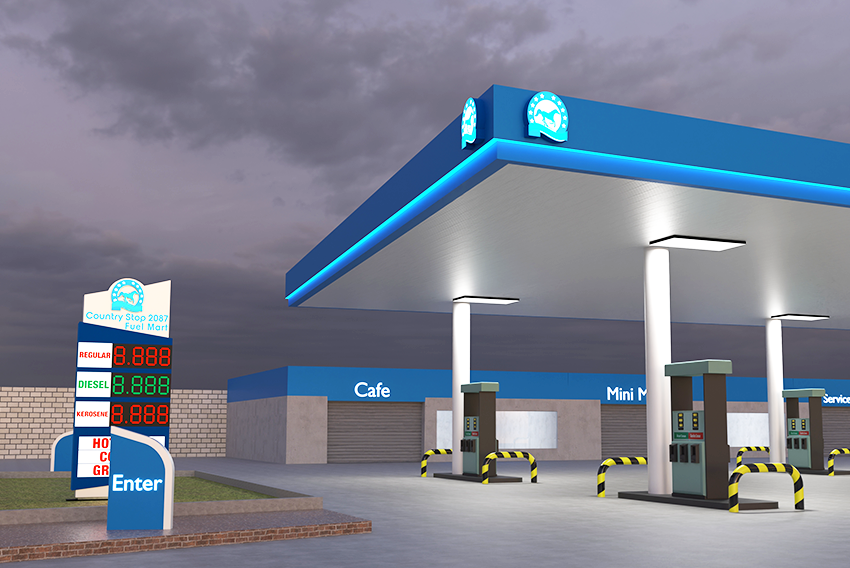
Outdoor signs with reflective sheeting play a crucial role in maintaining visibility and safety standards across various commercial and municipal applications. These specialized materials enhance sign readability during low-light conditions and nighttime hours, making them essential for traffic control, business identification, and emergency signage. Understanding the replacement schedule for reflective sheeting is vital for property owners, sign manufacturers, and facility managers who must balance compliance requirements with cost-effective maintenance strategies.

The performance and longevity of reflective sheeting depend on numerous factors including material grade, environmental exposure, and specific application requirements. Different types of reflective materials have varying lifespans, with engineer grade sheeting typically lasting 7-10 years, while high-intensity prismatic materials can maintain compliance standards for 10-12 years under normal conditions. Weather patterns, UV exposure, and chemical pollutants all contribute to the degradation timeline, making regular assessment essential for maintaining optimal performance.
Compliance standards for reflective sheeting are established by organizations such as ASTM International and the Manual on Uniform Traffic Control Devices (MUTCD). These standards specify minimum retroreflectivity values that must be maintained throughout the service life of the sign. Regular monitoring ensures that signs continue to meet these requirements and provide adequate visibility for drivers and pedestrians during critical low-light situations.
Understanding Reflective Sheeting Degradation Patterns
Environmental Impact Assessment
Environmental conditions significantly influence the deterioration rate of reflective sheeting materials. Coastal areas with high salt content accelerate corrosion and adhesive failure, while desert environments with intense UV radiation and temperature fluctuations cause different types of material breakdown. Industrial zones expose reflective sheeting to chemical pollutants that can cloud the retroreflective elements, reducing their effectiveness over time.
Temperature cycling between extreme hot and cold conditions creates expansion and contraction stress within the reflective sheeting substrate. This mechanical stress can lead to micro-cracking, edge lifting, and eventual delamination from the sign substrate. Humidity levels also play a crucial role, as moisture infiltration can compromise adhesive bonds and create conditions favorable for mold or algae growth that obscures reflective properties.
Material Grade Performance Variations
Engineer grade reflective sheeting typically exhibits the shortest service life among commercial options, with noticeable performance degradation beginning around the 5-7 year mark in moderate climates. These materials use enclosed lens technology that provides adequate retroreflectivity for non-critical applications but may not maintain compliance standards beyond 7-10 years depending on exposure conditions.
High-intensity prismatic reflective sheeting offers superior durability and maintains retroreflectivity values longer than engineer grade materials. The microprismatic surface structure provides enhanced light return characteristics and typically sustains compliance levels for 10-12 years. Diamond grade reflective sheeting represents the premium option, offering extended service life of 12-15 years while maintaining superior retroreflectivity performance throughout its operational period.
Compliance Monitoring and Assessment Protocols
Retroreflectivity Measurement Standards
Accurate measurement of retroreflectivity requires specialized equipment such as handheld retroreflectometers that provide quantitative assessments of light return efficiency. These measurements should be taken at multiple points across the sign surface to identify areas of uneven degradation or localized failure. The MUTCD establishes minimum retroreflectivity values for different sign categories, with white backgrounds requiring 50 candelas per lux per square meter and other colors having specific requirements.
Regular monitoring schedules should be established based on sign criticality and environmental exposure. High-traffic areas and safety-critical signage warrant annual assessments, while less critical applications may be evaluated every two to three years. Documentation of measurement results creates a performance history that helps predict future replacement needs and optimize maintenance budgets.
Visual Inspection Criteria
Visual inspection provides valuable supplementary information to quantitative retroreflectivity measurements. Signs showing obvious degradation such as cracking, peeling, discoloration, or surface contamination require immediate attention regardless of measured retroreflectivity values. Edge lifting, bubble formation, and adhesive failure indicate imminent material failure and potential safety hazards.
Reflective sheeting that appears cloudy, hazy, or exhibits reduced brightness during daytime viewing typically indicates significant retroreflective degradation. Color shifts, particularly yellowing or fading, suggest UV damage that compromises both aesthetic appearance and functional performance. These visual indicators often precede measurable retroreflectivity decline and provide early warning signs for replacement planning.
Replacement Planning and Budget Considerations
Cost-Effective Maintenance Strategies
Proactive replacement of reflective sheeting before complete failure provides several advantages including maintained compliance, reduced liability exposure, and lower overall lifecycle costs. Planning replacement activities during routine maintenance cycles minimizes labor costs and reduces disruption to normal operations. Bulk purchasing of materials for multiple sign replacement projects often yields significant cost savings.
Staged replacement approaches allow organizations to spread costs over multiple budget cycles while prioritizing high-visibility and safety-critical signage. This strategy requires careful assessment of current conditions and projected degradation rates to ensure compliance is maintained throughout the replacement schedule. Emergency replacement costs typically exceed planned maintenance by 200-300%, making proactive planning financially advantageous.
Material Selection for Extended Service Life
Selecting appropriate reflective sheeting grades for specific applications optimizes both performance and cost-effectiveness. High-traffic areas and critical safety signage justify premium materials that provide extended service life and superior retroreflectivity. Lower-visibility applications may utilize engineer grade materials with more frequent replacement cycles while maintaining overall cost efficiency.
Newer reflective sheeting technologies incorporate improved UV stabilizers, enhanced adhesive systems, and advanced substrate materials that extend service life beyond traditional expectations. These premium materials command higher initial costs but often provide superior lifecycle value through extended replacement intervals and maintained performance characteristics. Warranty programs from leading manufacturers provide additional assurance and potential cost protection for premium material investments.
Industry Best Practices and Implementation Guidelines
Documentation and Record Keeping
Comprehensive documentation of reflective sheeting installation dates, material specifications, and performance assessments creates valuable data for optimizing replacement schedules. Digital record systems that include photographs, measurement data, and environmental conditions provide historical context for future decision-making. This information proves particularly valuable for warranty claims and compliance audits.
Maintenance logs should include details about cleaning procedures, minor repairs, and environmental incidents that may affect reflective sheeting performance. Weather events, chemical exposures, and physical damage incidents all contribute to accelerated degradation and should be documented for future reference. This comprehensive approach enables data-driven replacement scheduling and budget forecasting.
Professional Installation and Quality Assurance
Proper installation techniques significantly impact the service life of reflective sheeting materials. Surface preparation, adhesive application, and environmental conditions during installation all affect long-term performance. Professional installation teams understand these critical factors and implement quality control measures that maximize material lifespan and performance consistency.
Quality assurance programs should include initial retroreflectivity measurements to establish baseline performance values. Post-installation inspection protocols verify proper adhesion, eliminate air bubbles, and confirm compliance with specifications. These upfront quality measures prevent premature failure and ensure optimal return on material investments.
Technological Advances and Future Considerations
Smart Monitoring Systems
Emerging technologies enable automated monitoring of reflective sheeting performance through integrated sensors and wireless communication systems. These smart signs can transmit retroreflectivity data, environmental conditions, and maintenance alerts to central management systems. This technology reduces manual inspection costs while providing real-time performance data for optimized maintenance scheduling.
Predictive analytics applications analyze historical performance data, environmental conditions, and material specifications to forecast replacement needs with improved accuracy. These systems help organizations optimize maintenance budgets, reduce emergency replacement situations, and maintain consistent compliance with regulatory standards. Integration with existing asset management systems streamlines workflow and improves operational efficiency.
Sustainable Material Options
Environmental sustainability considerations drive development of recyclable reflective sheeting materials and manufacturing processes with reduced environmental impact. Bio-based substrates and solvent-free adhesives represent emerging alternatives to traditional petroleum-based materials. These sustainable options may command premium pricing initially but align with corporate environmental objectives and regulatory trends.
Lifecycle assessment tools help organizations evaluate the total environmental impact of different reflective sheeting options including manufacturing, transportation, installation, and end-of-life disposal. This comprehensive approach supports sustainable procurement decisions while maintaining performance and compliance requirements. Extended service life materials contribute to sustainability goals by reducing replacement frequency and associated environmental impacts.
FAQ
What are the minimum retroreflectivity values required for compliance?
Minimum retroreflectivity values vary by sign color and application type according to MUTCD standards. White backgrounds require 50 candelas per lux per square meter, yellow backgrounds need 25 candelas per lux per square meter, and other colors have specific requirements. These values represent the threshold below which signs must be replaced to maintain compliance with federal regulations.
How do weather conditions affect reflective sheeting replacement schedules?
Harsh weather conditions significantly accelerate reflective sheeting degradation, potentially reducing service life by 20-40%. Coastal environments with salt exposure, desert regions with intense UV radiation, and areas with frequent freeze-thaw cycles all contribute to faster material breakdown. Organizations in these environments should implement more frequent inspection schedules and budget for shortened replacement intervals.
Can reflective sheeting be partially replaced on existing signs?
Partial replacement of reflective sheeting is possible but not recommended for critical applications due to performance inconsistencies and aesthetic concerns. Different manufacturing lots may exhibit slight color variations, and new material adjacent to aged sheeting creates uneven retroreflectivity across the sign surface. Complete replacement ensures uniform performance and professional appearance while simplifying compliance documentation.
What factors justify upgrading to higher-grade reflective sheeting materials?
Higher-grade reflective sheeting materials justify their premium cost through extended service life, superior retroreflectivity performance, and reduced maintenance frequency. Signs in high-visibility locations, safety-critical applications, or harsh environmental conditions benefit from premium materials that maintain compliance longer and provide better cost-effectiveness over the lifecycle. The decision should consider total cost of ownership rather than initial material costs alone.